Vermont requires nurse practitioners to complete a transition before full practice authority. A qualifying physician or APRN collaborator must share the NP’s role and population focus and maintain an active, unencumbered license. The primary transition requires 2,400 practice hours over at least 24 months; a second role or population focus requires 1,600 hours over at least 12 months. NPs prescribing controlled substances also need Vermont state registration, DEA registration, PDMP compliance, electronic prescribing, and two hours of biennial controlled-substance CE.
Vermont is a full practice authority state—eventually. For a vermont nurse practitioner collaborative practice agreement, the rule is straightforward: you must complete 2,400 hours of practice over at least 24 months under a collaborative agreement with a licensed physician or qualified APRN who holds an active, unencumbered license and shares your role and population focus before you move to full practice authority.
What catches Vermont NPs off guard is the specificity of that last requirement: if your collaborating provider's scope does not match your intended practice, your agreement does not authorize the scope you plan to practice—and you may be practicing outside your sanctioned authority without realizing it. This guide is written for Vermont nurse practitioners working through that transition, whether you are setting up your first agreement, checking prescribing and telehealth limits, comparing collaboration pricing, or trying to vet a potential collaborating physician.
Get the structure right from day one, track your hours meticulously, and meet every controlled substance registration requirement, and Vermont's 2,400-hour runway delivers a genuinely clean independent practice on the other side. The sections below walk through the agreement structure, transition-hour rules, collaborator qualifications, controlled substance prescribing, compliance obligations, telehealth rules, market pricing, and how to find and evaluate a collaborator so you can avoid enforcement risk and reach independent practice without preventable delays.
At-a-Glance: Vermont Nurse Practitioners Practice Authority
Feature | Detail |
|---|---|
Practice Authority Level | Full (after transition period) |
CPA Required | Yes — during 2,400-hour transition |
Transition Hours (Primary Role) | 2,400 hours over minimum 24 months |
Transition Hours (Second Role/Population Focus) | 1,600 hours over minimum 12 months |
Collaborating Provider Requirement | Physician or APRN with same role/population focus; active unencumbered license |
Physician Ratio Limit | None specified |
State CS Registration | Yes — Vermont Office of Professional Regulation (OPR) |
DEA Registration | Required |
PDMP Enrollment | Mandatory |
CS-Specific CE | 2 hours every 2 years |
NLC Member | Yes |
The Cost of Getting This Wrong
Vermont's transition period appears straightforward until NPs encounter its specific compliance requirements. Four areas carry the most enforcement risk.
Collaborating Provider Scope Mismatch. Vermont law requires that your collaborating provider share the same role and population focus as your intended practice. An FNP seeking to practice adult primary care must collaborate with a physician or APRN whose scope includes adult primary care. Collaborating with a physician in an adjacent but non-matching specialty can put you in violation of your transition agreement—and potentially leave you practicing outside your authorized scope without legal protection.
Incomplete Hours Tracking. Your 2,400 hours must be documented and verifiable. Vermont's Board of Nursing expects NPs to produce records of transition hours if audited. Many NPs discover at the end of their transition period that their informal tracking does not meet board documentation standards. Start a formal hours log on day one.
Missing the State CS Registration. Vermont requires a state-level controlled substance registration through the Office of Professional Regulation (OPR) in addition to your APRN license and DEA number. This is a separate, state-specific registration step. Prescribing controlled substances without it is a regulatory violation.
Missing CS-Specific CE. Vermont requires 2 hours of continuing education specifically focused on controlled substance prescribing every two years. This is independent of—and cumulative with—the federal MATE Act's 8-hour training requirement. Many NPs assume completing the MATE Act requirement satisfies Vermont's CS CE. It does not.
Collaborative Agreement Content Requirements
Vermont's transition requirement is governed by 26 V.S.A. § 1734 and regulations of the Vermont Board of Nursing. Structural requirements for a compliant transition agreement:
Duration. The transition-to-practice period requires at least 2 years: a minimum of 2,400 hours of practice under a collaborative agreement over a minimum of 24 calendar months. The time minimum is non-negotiable: you cannot complete the transition in less than 24 months even if you accumulate hours faster. For a second population focus or role, the transition is 1,600 hours over a minimum of 12 months.
Collaborating Provider Qualifications. Your collaborating provider must: be a licensed physician or an APRN; hold the same role and population focus as your intended practice scope; possess an active, unencumbered license; and be available for consultation and case review during your transition period. The same-scope requirement is strictly interpreted—verify alignment before executing the agreement.
Agreement Content. A compliant Vermont transition agreement should specify the practice setting and geographic coverage area, the collaborating provider's contact information and availability, the population focus and scope of practice covered, the mechanism for case consultation and chart review, and the process for managing your practice if the collaborating provider becomes unavailable or loses licensure. The collaborative agreement form should have the core components of the relationship clearly outlined, including consultation and case review expectations. In practice, the development of this document should be handled carefully rather than treated as an informal step.
Transition to Full Authority. Once you complete 2,400 hours over a minimum of 24 months, you transition to full independent practice authority. No additional collaborative agreement is required. Your practice scope expands to the full extent of your APRN role and population certification without any physician oversight structure.
Find a Collaborating Physician in Vermont
19 physicians currently available • Listed fees: $449–$724/mo
Updated November 2026
| Physician | Specialty | Fee/mo |
|---|---|---|
| Carolyn B, MD | Primary Care, Tele | $449 |
| Adeeb R, MD | Mental Health, Primary Care | $498 |
| Jeffrey H, MD Psychiatrist | Mental Health, Hormone Optimization | $499 |
| Jose O, MD | Primary Care, Medical Weight Loss | $499 |
| Jane S, MD | Primary Care | $499 |
Controlled Substances Rules
Vermont APRNs may prescribe Schedule II–V controlled substances. The required credential stack:
State CS Registration. Vermont requires a state-level controlled substance registration through the Vermont Office of Professional Regulation (OPR), separate from your APRN license and your DEA number. Apply through the OPR licensing portal with your active Vermont APRN license, and submit the required registration materials there before prescribing controlled substances. This registration must be in place before you prescribe any controlled substance in Vermont.
Federal DEA Registration. Standard federal requirement for any prescriber of Schedule II–V substances.
PDMP Compliance. Vermont maintains a mandatory PDMP. Prescribers must register with and use the PDMP to check patient prescription histories as a condition of prescribing controlled substances, consistent with applicable Vermont guidelines and board guidance. These checks are crucial for compliant prescribing.
CS-Specific CE. Vermont requires 2 hours of CE specifically focused on controlled substance prescribing every two years. This is separate from and cumulative with the federal MATE Act's 8-hour training requirement.
MATE Act. Federal 8-hour training on substance use disorders, pain management, and addiction is required for all DEA-registered prescribers.
Electronic Prescribing. Vermont requires electronic prescribing for controlled substances.
During the Transition Period. Your authority to prescribe controlled substances during transition may be constrained by the scope of your collaborative agreement. Ensure your agreement explicitly authorizes CS prescribing within your practice scope and is signed and accepted before you rely on it for controlled substance prescribing authority.
Physician Ratio & Geography
Vermont does not impose physician-to-NP ratios. However, the geographic scope of your collaborative agreement may indirectly constrain where you practice during the transition period. If you work at multiple sites, confirm that your agreement covers all locations where you intend to practice.
After completing the 2,400-hour transition and reaching full practice authority, all geographic constraints tied to the collaborative agreement dissolve entirely.
Ongoing Compliance and Nurse Licensure Compact
During the transition period:
Maintain active collaborative agreement with a qualifying provider
Track and document transition hours in a format acceptable to the Vermont Board of Nursing
Comply with collaborating provider's availability and consultation requirements
Complete 2 hours of CS-specific CE every two years
Maintain state CS registration through the OPR
Comply with PDMP requirements for all controlled substance prescribing
After completing the transition and reaching full practice authority:
No collaborative agreement required
Continue state CS registration, PDMP compliance, and CS-specific CE
Maintain DEA registration
Complete APRN renewal CE requirements as set by the Vermont Board of Nursing
If advanced practice registered nurses have been inactive, they must complete 960 hours over five years to reestablish recent practice eligibility
If you graduated more than two years ago, Vermont expects recent nursing practice to be demonstrated for licensure or continued eligibility
Telemedicine
Vermont permits telehealth practice for licensed APRNs. In-state telehealth services must meet the same clinical and prescribing standards as in-person care.
For out-of-state providers treating Vermont patients, Vermont requires either a full Vermont APRN license or a telehealth-specific registration: an Interim Telehealth Registration (currently available for out-of-state providers in good standing) or, under future permanent rules, a tiered system distinguishing a Telehealth Registration (up to 10 patients per 120-day period) from a Telehealth License (up to 20 patients per two-year term).
For controlled substance prescribing via telehealth, federal flexibilities through December 31, 2026, allow Schedule II–V prescriptions without a prior in-person visit. Vermont's PDMP check requirements and electronic prescribing mandate apply regardless of whether prescribing occurs in-person or via telehealth.
During the transition period, telehealth visits count toward your 2,400-hour requirement provided the visits fall within the scope of your collaborative agreement and are appropriately documented.
How to Find a Physician
Vermont's "same role and population focus" requirement significantly narrows the qualified collaborator pool, and understanding this match is essential to interpreting Vermont's collaborator rules. When searching, prioritize these factors above all others:
Match on specialty and population focus first. A physician or APRN in a non-matching specialty does not satisfy Vermont's requirement regardless of their overall qualifications. Confirm scope explicitly before proceeding.
Confirm license status. Your collaborating provider must hold an active, unencumbered Vermont license. Verify directly through the Vermont Board of Medical Practice or the OPR licensing portal, and use official resources from boards or professional organizations before executing any agreement.
Assess consultation availability. Vermont's transition structure requires genuine accessibility for case consultation, not just a signature on an agreement. Evaluate whether the provider can realistically be available during your working hours.
Geographic proximity matters less than specialty match. Vermont's small size means that a physician in Burlington may be willing to collaborate with an NP practicing in a more rural part of the state via telehealth consultation—especially for review and consultation functions.
NPCollaborator allows you to filter by specialty, state, and availability. Given Vermont's requirement specificity, a structured platform search is more reliable than informal professional network recruitment. Reviewing examples of compliant collaboration setups or templates from professional organizations can also help inform the search and agreement process.
Physician Vetting Checklist
Active, unencumbered Vermont license (physician or APRN)—verified at Vermont OPR
Same role and population focus as your intended practice scope—confirmed explicitly
Board-certified in relevant specialty
No prior disciplinary actions (verify at Vermont Board of Medical Practice or OPR)
Availability for consultation during your practice hours—not just on-call
Understands Vermont's 2,400-hour/24-month minimum transition structure
Willing to document collaborative activity in a format acceptable to the Vermont Board of Nursing
Written agreement specifying scope, hours-tracking mechanism, consultation process, and compensation, with key elements clearly outlined in the document
Malpractice coverage includes collaborative role during transition period
Contingency plan documented if collaborating provider becomes unavailable or loses licensure, including clear delegation and coverage responsibilities
Disclaimer: This page summarizes NP Collaborator's interpretation of Vermont statutes, Board of Nursing rules, and DEA regulations governing nurse practitioner collaborative practice as of the date shown above. It is provided for informational purposes only and does not constitute legal, regulatory, or clinical advice. Laws and rules change — always verify current requirements directly with the Vermont Board of Nursing or a qualified healthcare attorney before making practice decisions.
Find a Collaborating Physician in Vermont
19 verified physicians ready to collaborate · Fees $449–$724/mo
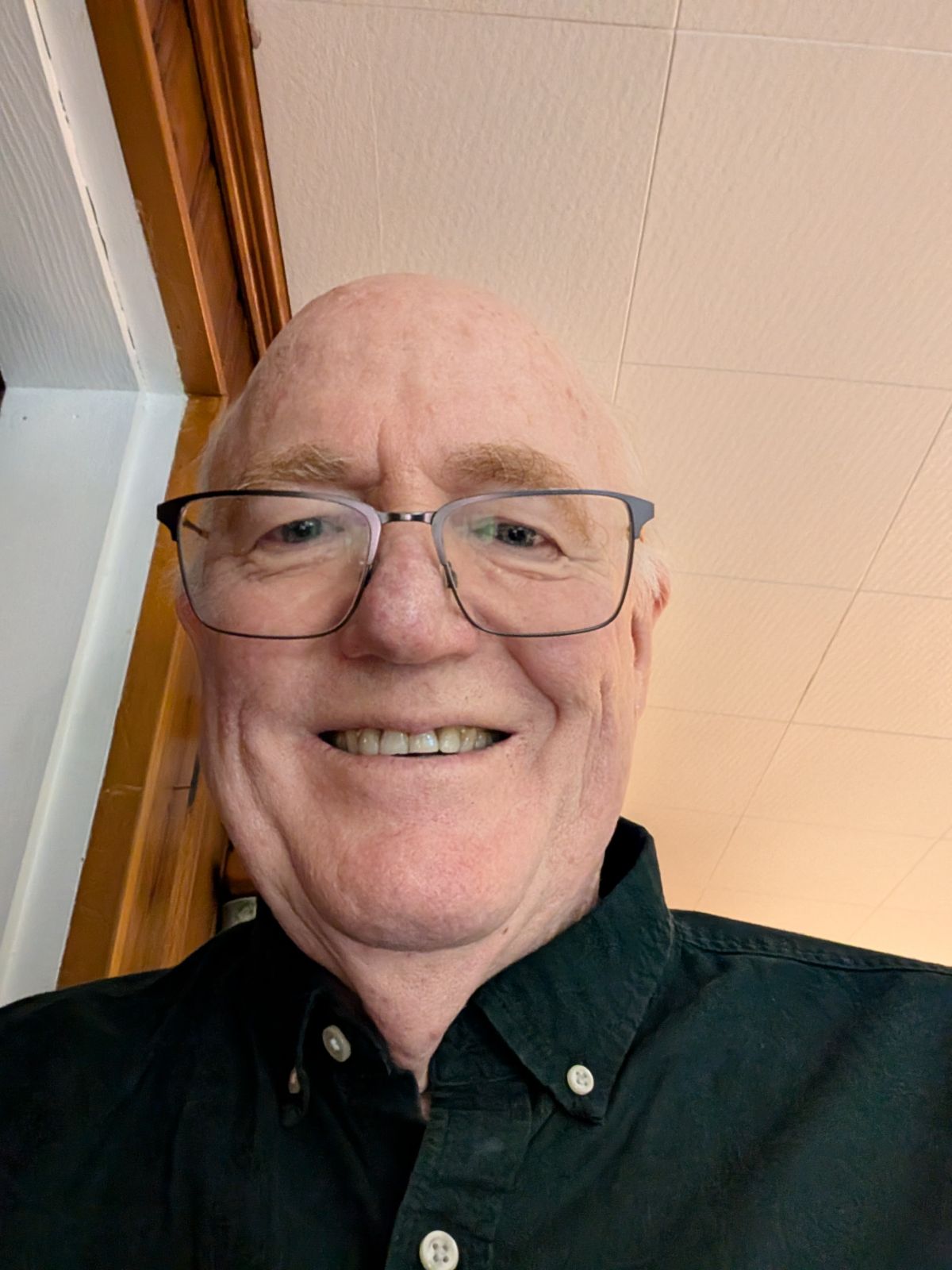
Dr. Jeffrey H. is a board-certified psychiatrist with more than 40 years of clinical, academic, and leadership experience in mental healthcare. He completed his medical degree at Rutgers New Jersey Medical School and his psychiatry residency at Dartmouth-Geisel School of Medicine.
Collaborates with Vermont nurse practitioners · also licensed in 1 other state
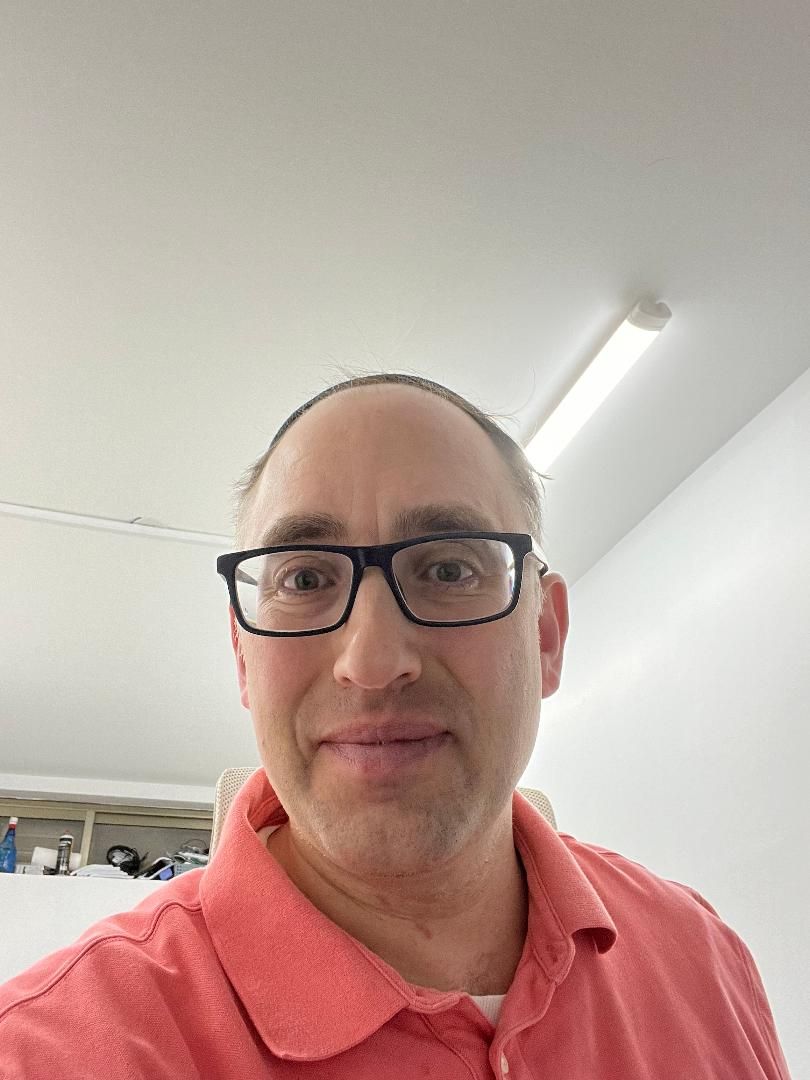
Dr. Tuvia B. is a board-certified psychiatrist with subspecialty board certification in Child and Adolescent Psychiatry. With more than 15 years of clinical experience, he provides comprehensive psychiatric care to children, adolescents, and adults across a variety of practice settings, including private practice, telepsychiatry, outpatient behavioral health, correctional psychiatry, and…
Collaborates with Vermont nurse practitioners · also licensed in 29 other states

Dr. Carolyn B. is a board-certified Internal Medicine physician with extensive experience in general internal medicine, geriatrics, and post-acute long-term care. She brings decades of clinical, academic, and executive leadership experience across hospital, post-acute, occupational health, and telehealth settings. Licensed in more than 30 states, Dr. Carolyn B.
Collaborates with Vermont nurse practitioners · also licensed in 21 other states

Dr. Adeeb R. is a board-certified Family Medicine physician and experienced Medical Director of multiple clinics with comprehensive clinical experience spanning primary care, mental health, urgent care, addiction-related care, holistic/functional medicine, hormone replacement/regenerative medicine, and chronic disease management.
Collaborates with Vermont nurse practitioners · also licensed in 16 other states
Dr. Amy M – Board-Certified Pulmonary, Critical Care, and Sleep Medicine Specialist Expert in Sleep Medicine, Pulmonary Disease, and Critical Care About Dr. Amy M Dr. Amy M is a double board-certified physician in Critical Care and Sleep Medicine, with more than 25 years of experience in complex respiratory and…
Collaborates with Vermont nurse practitioners · also licensed in 20 other states

Dr. Jane S. is a board-certified Family Medicine physician with over 30 years of continuous outpatient clinical practice, primarily serving vulnerable and medically underserved populations. She is also board certified in Obesity Medicine and maintains multi-state licensure, allowing her to support care delivery across diverse geographic regions. Dr.
Collaborates with Vermont nurse practitioners · also licensed in 34 other states

Dr. Jose O. is a triple board-certified physician in Pulmonary, Critical Care, and Sleep Medicine with more than a decade of attending-level experience across academic, community, and tele-ICU settings. His diverse clinical background also includes hospitalist, nocturnist, and emergency medicine experience, giving him a broad perspective on both complex specialty…
Collaborates with Vermont nurse practitioners · also licensed in 22 other states

Dr. Jerry C. is a highly experienced, multi-state licensed physician with nearly three decades of clinical expertise in emergency medicine, telemedicine, and integrative care. He is licensed in all 50 states and Washington, DC, and brings extensive regulatory knowledge and operational leadership to every collaboration.
Collaborates with Vermont nurse practitioners · also licensed in 40 other states
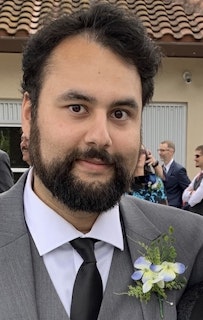
Dr. Fahad A. is a board-certified Family Medicine physician with over 11 years of clinical experience providing comprehensive care across a wide variety of healthcare settings, including primary care, urgent care, inpatient medicine, rehabilitation facilities, nursing homes, and telemedicine.
Collaborates with Vermont nurse practitioners · also licensed in 30 other states

Dr. Hassan N. is a Board-Certified Family Medicine physician (MD, MBA) with 15 years of clinical experience across hospital, primary care, and telehealth settings. His clinical background spans full-spectrum primary care, mental health, women's health and OB/GYN, and medical weight loss and weight management.
Collaborates with Vermont nurse practitioners · also licensed in 19 other states

As a physician with over 25 years of experience serving as a collaborating physician for Nurse Practitioners (NPs) and Physician Assistants (PAs), I bring a deep understanding of interdisciplinary healthcare delivery and a steadfast commitment to providing exceptional patient care.
Collaborates with Vermont nurse practitioners · also licensed in 13 other states

Dual Board-Certified in Internal Medicine & Obesity Medicine | Experienced Medical Director | Telehealth & Mental Health Expertise About Dr. Emill L. Dr. Emill L. is a dual board-certified physician in Internal Medicine and Obesity Medicine with over 15 years of experience across hospital medicine, telehealth, and outpatient care.
Collaborates with Vermont nurse practitioners · also licensed in 39 other states

Dr. Dahlia C. is a Board-Certified Emergency Physician (ABEM) with more than 10 years of clinical experience. Since November 2023, she has served as Emergency Department Director at a hospital in New Jersey while also working ED shifts at other hospitals in New Jersey and New York.
Collaborates with Vermont nurse practitioners · also licensed in 39 other states

Dr. Avni P. is a board-certified Family Medicine physician with extensive multidisciplinary experience spanning emergency and urgent care, psychiatry, utilization review, telemedicine, and occupational health. With a broad clinical scope and a career that includes both frontline patient care and systems-level medical decision-making, Dr. Avni P.
Collaborates with Vermont nurse practitioners · also licensed in 34 other states

Dr. Kenneth R. is a board-certified Emergency Medicine Physician with thirty years of clinical and leadership experience spanning emergency medicine, urgent care, telemedicine, and physician supervision. A graduate of Eastern Virginia Medical School, Dr. Kenneth R.
Collaborates with Vermont nurse practitioners · also licensed in 37 other states

Dr. Daniel O. is an accomplished physician with more than 10 years of post-residency clinical experience, specializing in Addiction Medicine and Pediatrics while providing comprehensive care across a broad range of medical and wellness services.
Collaborates with Vermont nurse practitioners · also licensed in 39 other states

Dr. Aneel U is an experienced psychiatrist and entrepreneur on a mission to make a meaningful difference in patient outcomes amidst a mental health crisis. He is at the forefront of innovation and cutting edge technology with a focus on improving access to care, and delivering high quality measurement based…
Collaborates with Vermont nurse practitioners · also licensed in 15 other states

I am a board-certified Family and Addiction Medicine physician with over 15 years of experience spanning primary care, occupational health, aerospace medicine, and behavioral health. Licensed in all 50 states, I currently serve as Chief Medical Officer at Better U and CEO of Bespoke Concierge MD, where I design patient-centered…
Collaborates with Vermont nurse practitioners · also licensed in 36 other states
Board-Certified Psychiatrist | Eating Disorders, Mood & Anxiety | DBT-Informed & Integrative Care About Dr. Tara B Dr. Tara B is a board-certified psychiatrist with 15+ years of experience across inpatient, outpatient, and higher-level eating-disorder programs.
Collaborates with Vermont nurse practitioners · also licensed in 14 other states
Frequently Asked Questions
How long does the Vermont transition period last?
A minimum of 24 calendar months and 2,400 hours, whichever takes longer. You cannot complete the transition in less than 24 months even if you accumulate hours faster through full-time practice.
Can my collaborating provider be another APRN?
Yes. Vermont allows a qualified APRN with the same role and population focus and an active, unencumbered license to serve as your collaborating provider—it does not have to be a physician.
Does a second specialty or population focus require a separate transition period?
Yes. Adding a second population focus or role requires an additional 1,600 hours of practice under a new collaborative agreement covering that scope over a minimum of 12 months.
What does Vermont require for APRN licensure?
Vermont requires graduate education for APRN licensure, including a graduate degree from an approved program, and accepts national certification from AANP, ANCC, and NCC. Many nurse practitioners complete an msn as the common graduate degree path.
Do telehealth visits count toward my 2,400 transition hours?
Yes, provided they fall within your collaborative agreement's scope and are appropriately documented in your hours log.
What is the state CS registration and where do I get it?
Vermont requires a state-level CS registration through the Vermont Office of Professional Regulation. Apply through the OPR licensing portal with your active APRN license. This is in addition to your DEA registration and must be in place before you prescribe any controlled substance in Vermont.
Can I prescribe controlled substances during the transition period?
Yes, within the scope authorized by your collaborative agreement and subject to your state CS registration and DEA registration being in place.
Sources & References
26 V.S.A. chapter 28; Vermont Office of Professional Regulation APRN collaborative agreement form/instructions — Official Vermont collaborative agreement form used for APRN collaborative practice.
26 V.S.A. chapter 28; Board of Nursing statutes/rules resources — Official Vermont Board of Nursing statutes and rules hub for APRN collaborative-practice requirements, including chart review and oversight topics.
Vermont nursing statutes/rules resources — Official starting point for telehealth-related nursing rules affecting APRNs.
Vermont nursing apply/renew and statutes/rules resources — Official APRN licensure and renewal pathway page.
Vermont Board of Nursing (official) — Board homepage for nursing statutes, rules, and resources.
Further guidance
AANP, Vermont Practice Environment — Practice-authority overview for context.
NCSBN, Nurse Practitioner Practice Authority — National practice-authority map for comparison.
AANP, Vermont state practice information — Collaboration overview and state practice summary.
21 C.F.R. Part 1306 — Federal DEA prescription rules for controlled substances.
42 C.F.R. § 410.75 — Medicare coverage rules for nurse practitioners' services.
Related resources
NP Collaborative Agreement Template (Free Download)
Get a free 50+ page collaborative agreement template covering all 50 states. Includes sample language, filing requirements and NP-protective clauses.
Read moreGuidesBrowse All NP Resources
Guides, comparisons, templates and tools for nurse practitioners in one place.
Read moreComparisonsBest Collaborating Physician Platforms (2026)
Honest comparison of the top NP collaborating physician platforms. Transparent all-inclusive pricing starting at $424/mo.
Read moreToolsNP Collaboration Savings Calculator
Calculate how much you can save on collaboration fees. Compare costs and find the best rates in your state.
Read more