Utah provides full practice authority — APRNs independently diagnose, prescribe Schedules II–V controlled substances, and operate independent practices with no mandatory physician collaboration. Two separate state/federal credentials required: State CS License (DOPL, renewed biennially by January 31) and federal DEA registration (renewed every 3 years). State requires 4 hours CS-specific CE per cycle (3.5 hours general plus 0.5-hour mandatory DOPL tutorial) and one annual suicide prevention training. Federal 8-hour MATE Act training required once for DEA registrants. Controlled Substance Database enrollment mandatory. Electronic prescribing required for all controlled substance prescriptions since January 2024.
Utah is a full practice authority state. Effective March 14, 2023, Senate Bill 36 granted nurse practitioners full, independent practice authority with no requirement for physician collaboration, board filing, or physician oversight. NPs can evaluate patients, diagnose, prescribe — including controlled substances — and operate independent practices independently. But full practice authority does not mean zero compliance obligations. Before you write your first prescription in Utah, you need a state Controlled Substance license (tied to your APRN license), a federal DEA registration, Controlled Substance Database enrollment, completion of federally mandated opioid training, an approved online suicide prevention training course, and fulfillment of state-specific continuing education requirements. This guide covers what Utah law actually requires, how to structure your practice for compliance, when voluntary physician consultation might strengthen your practice, and what optional collaborative arrangements cost.
At a Glance: Utah NP Practice Rules for Independent Practice (2026)
Rule Category | Utah at a Glance |
|---|---|
Practice Authority | Full — no physician oversight required |
CPA Required | No |
Board Filing | None — no CPA filing requirement |
Prescriptive Authority | Full and independent |
Controlled Substances (II–V) | Permitted — State CS License + DEA registration required |
State CS License | Yes — tied to APRN license (DOPL) |
Federal DEA Registration | Required |
PDMP/CSD Enrollment | Mandatory |
Schedules Prescribable | II–V |
Electronic Prescribing | Required (Utah Code § 58-37-22, since January 2024 enforcement) |
CS CE Requirement | 4 hours per renewal cycle (3.5 general + 0.5 DOPL tutorial) |
Suicide Prevention Training | One approved course per renewal cycle |
License Renewal | January 31 of even-numbered years |
NLC Member | Yes (RN/LPN only; APRN licenses require individual state verification) |
Ratio Caps | None |
Geographic Restrictions | None |
Find a Collaborating Physician in Utah
41 physicians currently available • Listed fees: $449–$1,049/mo
Updated November 2026
| Physician | Specialty | Fee/mo |
|---|---|---|
| Carolyn B, MD | Primary Care, Tele | $449 |
| Mark S, MD | Primary Care, Medical Weight Loss | $479 |
| Shannon H, DO | Mental Health, Primary Care | $494 |
| Steven G, MD | Mental Health, Primary Care | $497 |
| Adeeb R, MD | Mental Health, Primary Care | $498 |
The Cost of Getting This Wrong
Utah's full practice authority does not grant freedom from regulatory liability. These are the highest-risk failure points for Utah NPs.
Missing the CS License Renewal Deadline
Utah's Controlled Substance license is tied to your APRN license and must be renewed by January 31 of even-numbered years. Missing this deadline can result in a license lapse during the gap period—which means you cannot legally prescribe controlled substances until reinstatement is complete. Utah does not grant automatic grace periods for late renewals, and practicing with a lapsed CS authorization is a criminal offense.
Failing to Complete CS-Specific CE
Utah requires four hours of approved continuing education in controlled substance prescribing per renewal cycle: 3.5 hours of general CS education plus a mandatory 0.5-hour online tutorial from the Division of Professional Licensing (DOPL). Many NPs completing general CE overlook that the DOPL's online CS tutorial is a separately required component. Missing it invalidates your CE compliance for the cycle even if you completed approved coursework for the other 3.5 hours.
Skipping the Mandatory Suicide Prevention Training
Utah requires completion of at least one approved online suicide prevention training course per 2-year renewal cycle. This is a separate, mandatory requirement for license renewal. Missing this course can delay or block your license renewal, even if all other CE requirements are met.
CSD Registration Gaps
Utah's Controlled Substance Database is the state's PDMP. Failure to register, failure to check it appropriately, or accessing it through unauthorized channels can trigger regulatory action independent of any clinical outcome. The CSD tracks all Schedule II–V dispensing statewide, and prescriber compliance is monitored.
Full Practice Authority for Nurse Practitioners: What It Means (And What It Doesn't)
Does a Utah NP Need a Collaborating Physician?
No. Utah Code Title 58, Chapter 31d grants full practice authority to APRNs, and Senate Bill 36 (effective March 14, 2023) eliminated all requirements for physician collaboration, board-filed agreements, or physician oversight as a condition of licensure. Utah NPs practice independently without mandatory physician involvement.
That said, some Utah NPs voluntarily pursue physician consultation for clinical mentorship, specialty support, credentialing purposes, or institutional requirements. These arrangements are optional and driven by practice preference, not legal requirement.
Independent APRN Practice
Utah has no collaborative practice agreement requirement under state law. You do not need physician oversight to practice, prescribe, or manage patients independently. Your APRN license grants you full authority to:
Evaluate patients independently
Diagnose conditions
Order and interpret diagnostic tests
Initiate and manage treatment plans
Prescribe medications, including controlled substances (Schedules II–V)
Operate an independent practice
Expand your practice model as your scope and patient population require
Controlled Substance Rules
Utah APRNs with a Controlled Substance license may independently prescribe Schedule II–V controlled substances, reflecting their prescriptive authority under state law. The required credential stack:
State CS License
Issued by DOPL, the CS license is not a standalone registration—it is tied to and issued as part of your APRN license. To maintain prescribing authority, you must renew by January 31 of even-numbered years. Renewal requires: an active APRN license in good standing; completion of 4 hours of approved CE in CS prescribing (3.5 hours general content from an approved provider, plus 0.5 hours from the DOPL's mandatory online CS tutorial); and completion of one approved online suicide prevention training per renewal cycle.
Federal DEA Registration
Standard federal requirement. Your DEA registration must list Utah as your primary state. Renews every three years at $888. Multi-state practitioners may need additional state-specific DEA registrations. Before DEA registration or renewal, you must affirm completion of a one-time 8-hour federal training on the treatment and management of patients with opioid or other substance use disorders (MATE Act requirement, effective June 27, 2023).
Controlled Substance Database (CSD)
Utah's PDMP, officially titled the Controlled Substance Database, is administered by DOPL. All prescribers authorized to prescribe Schedule II–V substances must register with and actively use the CSD. Access requires creating an account through the DOPL portal. The CSD tracks all Schedule II–V dispensing events statewide and supports safer healthcare delivery by helping protect patient health and identify potential drug misuse and overprescribing.
Electronic Prescribing
Utah Code § 58-37-22 requires all controlled substance prescriptions be transmitted electronically. The mandate became effective January 1, 2022; enforcement became fully active January 1, 2024. Practitioners unable to meet this requirement may apply for a limited extension from DOPL.
Physician Ratio & Geography
Utah imposes no physician-to-NP ratios and no geographic restrictions on independent practice. If you choose to work with a voluntary physician consultant, you set the terms of that relationship—there is no state requirement to defend a specific ratio or geographic arrangement.
Ongoing Compliance
Key renewal and ongoing obligations:
Renew APRN + CS license by January 31 of even-numbered years through DOPL
Complete 4 hours of CS-specific CE per renewal cycle (3.5 hours general content + 0.5 hours DOPL online tutorial)
Complete one approved online suicide prevention training per renewal cycle
Maintain active CSD account and use available resources appropriately per prescribing requirements
Maintain active DEA registration (3-year renewal cycle, $888)
Comply with electronic prescribing mandate for all Schedule II–V prescriptions
Complete all other APRN CE requirements per DOPL standards
Telemedicine
Telehealth & Remote Practice
Telehealth does not remove Utah licensure or scope-of-practice obligations. If your practice includes telehealth, the patient's physical location at the time of care determines which state's rules apply. The official Utah starting point is the Utah DOPL Nursing Laws and Rules page.
If you operate across state lines via telehealth, map each state where patients will physically be sitting. As the American Medical Association notes, licensure and scope-of-practice questions attach where the patient is located, not where the clinician happens to be during the visit.
Optional Physician Consultation (Why Some NPs Pursue It)
Under full practice authority, physician involvement is entirely optional. However, some Utah NPs voluntarily seek physician consultation for:
Clinical mentorship in new specialty areas
Peer consultation for complex patient presentations
Privileging support in hospitals or surgery centers
Managed care credentialing support where prior collaborative relationships strengthen your application
Institutional requirements (some employers or facilities may require physician consultation as part of their internal policies, even though Utah law does not)
If you pursue a voluntary physician consultation arrangement, clarity on scope is essential. Write it down so both parties understand:
Covered services and patient populations
Consultation triggers (which presentations require input)
Communication methods and response expectations
Chart review process if applicable
Compensation and term
Liability boundaries
Voluntary Physician Collaboration Checklist
For optional physician consultation or mentorship arrangements:
Active, unrestricted Utah license (or licensed in relevant jurisdiction)
Board-certified in a specialty relevant to your practice focus
No disciplinary history (check DOPL license lookup)
Clear communication expectations and availability documented in writing
Written agreement specifying consultation scope, compensation, and liability boundaries
Malpractice coverage that includes consultative roles
Agreement on documentation practices for consultation events
Relationship framed as voluntary mentorship, not physician oversight
Disclaimer
This page summarizes NP Collaborator's interpretation of Utah statutes, DOPL rules, and DEA regulations governing nurse practitioner practice authority as of the date shown above. It is provided for informational purposes only and does not constitute legal, regulatory, or clinical advice. Laws and rules change — always verify current requirements directly with the Utah DOPL or a qualified healthcare attorney before making practice decisions.
Find a Collaborating Physician in Utah
41 verified physicians ready to collaborate · Fees $449–$1,049/mo
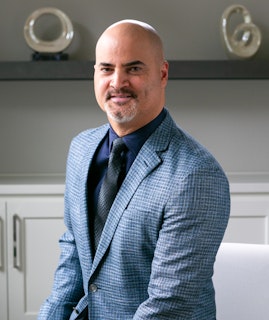
Dr. Gilbert S. is a board-certified psychiatrist in both General Psychiatry and Addiction Psychiatry with more than 18 years of clinical experience across inpatient, outpatient, and telepsychiatry settings. He has held senior leadership roles including Chief Executive Officer of a national telepsychiatry program, Director of Medical Services for addiction treatment…
Collaborates with Utah nurse practitioners · also licensed in 12 other states
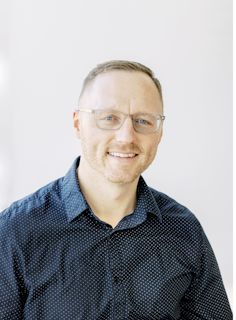
I have a very broad area of practice with many special interests. I currently split my time between the Utah State Hospital managing patients with severe and persistent mental illness, Emergency and consult/liaison psychiatry in many different states performing risk assessments and crisis intervention and overseeing a growing private practice…
Collaborates with Utah nurse practitioners · also licensed in 7 other states
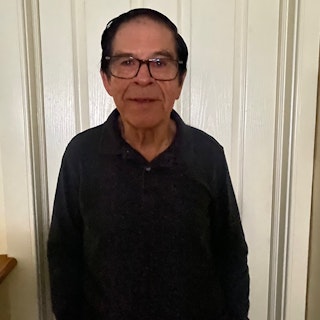
Extensive Experience in Public & Private Psychiatry | Expertise in Intellectual & Developmental Disabilities Dr. Charles M is a board-certified psychiatrist with decades of experience across both public sector mental health systems and private practice.
Collaborates with Utah nurse practitioners · also licensed in 2 other states
Dr. Travis M is an accomplished Family Medicine Physician with 10 years of experience in providing quality medical care and collaborating with advanced practice providers. Key Expertise Areas: 1. Patient Management and Care: Skilled in assessing patient needs, determining diagnoses, and formulating targeted treatment plans. 2.
Collaborates with Utah nurse practitioners · also licensed in 6 other states
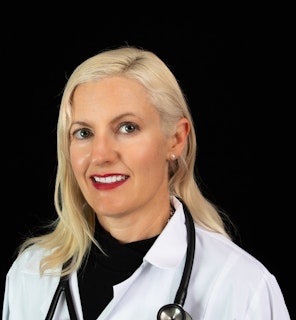
Dr. Hope B. is a board-certified psychiatrist with more than 25 years of clinical experience across diverse settings, including general adult psychiatry, inpatient psychiatry, community mental health, geriatric psychiatry, addictions treatment, and correctional psychiatry.
Collaborates with Utah nurse practitioners · also licensed in 13 other states

Dr. Carolyn B. is a board-certified Internal Medicine physician with extensive experience in general internal medicine, geriatrics, and post-acute long-term care. She brings decades of clinical, academic, and executive leadership experience across hospital, post-acute, occupational health, and telehealth settings. Licensed in more than 30 states, Dr. Carolyn B.
Collaborates with Utah nurse practitioners · also licensed in 21 other states
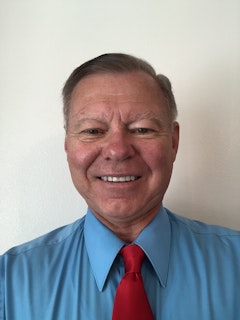
Dr. Mark S. is an experienced physician with a comprehensive background spanning OB/GYN, women’s health, primary care, psychiatry, weight management, hormone therapy, internal medicine, and functional and preventive medicine. His multidisciplinary training allows him to provide whole-person, integrative care tailored to the unique needs of diverse patient populations.
Collaborates with Utah nurse practitioners
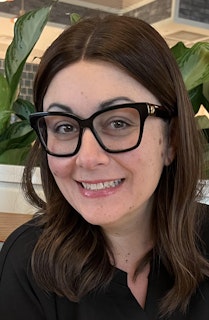
Dr. Shannon H. is a physician executive and board-certified Pediatrician with extensive experience across pediatric urgent care, pediatric emergency medicine, general pediatrics, and academic medicine. She brings a unique combination of clinical expertise and operational leadership, with a strong focus on scaling healthcare delivery.
Collaborates with Utah nurse practitioners · also licensed in 31 other states
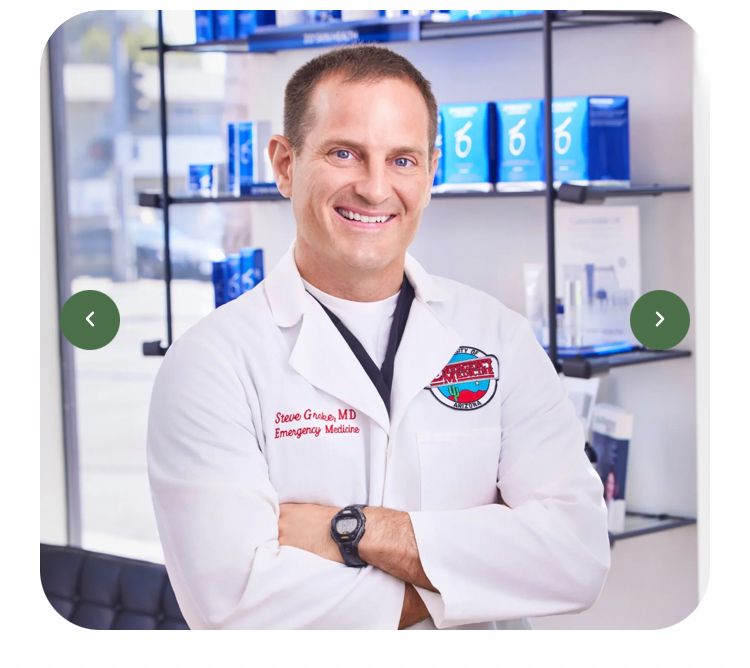
Dr. Steven G. affectionately known as “Dr. Steve” by his patients and staff, is an experienced Emergency Medicine-trained physician with a diverse clinical background spanning emergency care, primary care, mental health, telemedicine, and specialty health services.
Collaborates with Utah nurse practitioners · also licensed in 34 other states
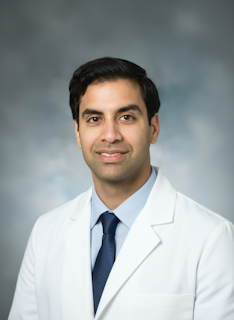
Board-Certified Family Medicine Physician | Multi-State Telemedicine & Urgent Care Leader Dr. Feras H is a dynamic, board-certified Family Medicine physician with extensive experience spanning urgent care, telemedicine, primary care, psychiatry, and weight management.
Collaborates with Utah nurse practitioners · also licensed in 18 other states
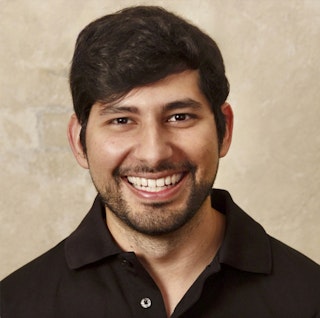
Dr. Adeeb R. is a board-certified Family Medicine physician and experienced Medical Director of multiple clinics with comprehensive clinical experience spanning primary care, mental health, urgent care, addiction-related care, holistic/functional medicine, hormone replacement/regenerative medicine, and chronic disease management.
Collaborates with Utah nurse practitioners · also licensed in 16 other states
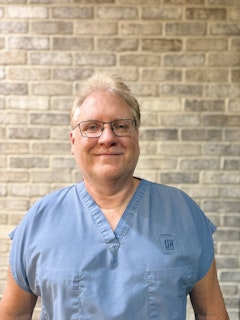
Board-Certified Emergency Physician | 25+ Years of Clinical Leadership | Supportive, Grounded, NP-Aligned About Dr. W. Scott M. is a board-certified emergency medicine physician with over 25 years of experience across high-acuity hospital systems, rural emergency departments, and academic training programs. Known for his calm, collaborative approach, Dr. M.
Collaborates with Utah nurse practitioners · also licensed in 10 other states
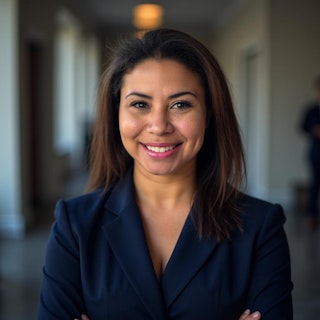
Board-Certified Pediatrician | Preventive Care Advocate | Pediatric & Family Wellness Dr. Una R. is a board-certified pediatrician with over 15 years of clinical experience across both primary care and urgent care settings.
Collaborates with Utah nurse practitioners · also licensed in 10 other states
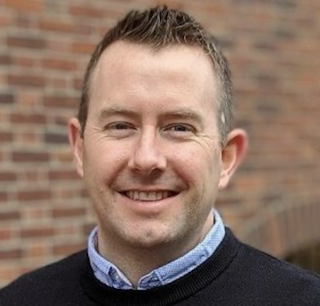
Dr. Russell is a board-certified physician in both Family Medicine and Obesity Medicine, with extensive experience in primary care and a focused expertise in obesity management. Since 2016, he has been practicing as an attending physician, delivering high-quality adult acute care, chronic disease management, and preventive services.
Collaborates with Utah nurse practitioners · also licensed in 14 other states
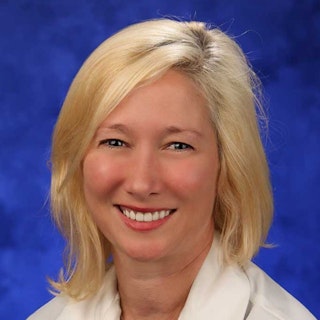
Dr. Amy M – Board-Certified Pulmonary, Critical Care, and Sleep Medicine Specialist Expert in Sleep Medicine, Pulmonary Disease, and Critical Care About Dr. Amy M Dr. Amy M is a double board-certified physician in Critical Care and Sleep Medicine, with more than 25 years of experience in complex respiratory and…
Collaborates with Utah nurse practitioners · also licensed in 20 other states
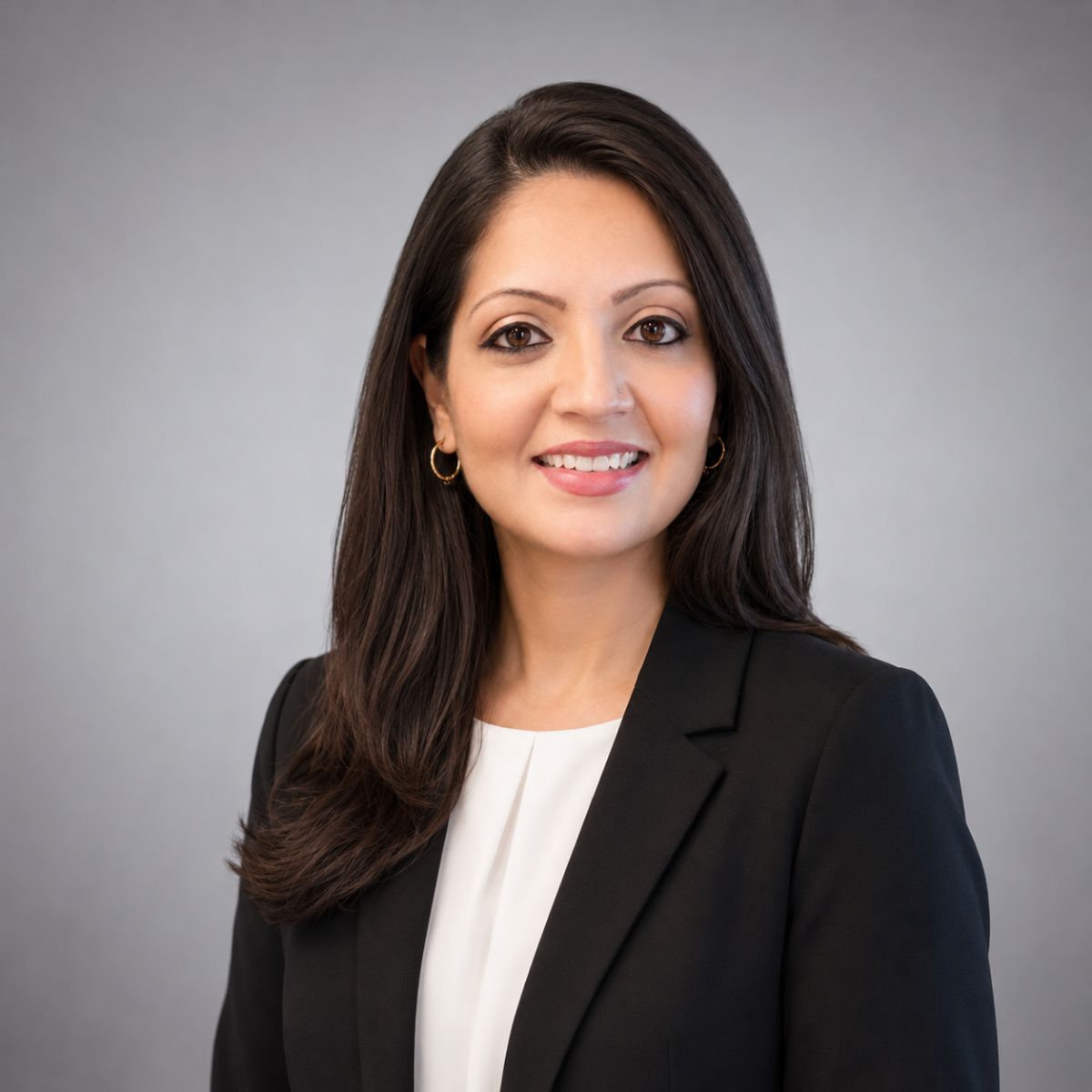
Dr. Swara A. is a board-certified Internal Medicine physician with over a decade of clinical experience spanning hospital medicine, telemedicine, subacute rehabilitation, and mobile concierge care. She specializes in metabolic health, hormonal optimization, and regenerative longevity, integrating traditional internal medicine with advanced functional and preventive strategies. Dr. Swara A.
Collaborates with Utah nurse practitioners · also licensed in 11 other states
Dr. Jane S. is a board-certified Family Medicine physician with over 30 years of continuous outpatient clinical practice, primarily serving vulnerable and medically underserved populations. She is also board certified in Obesity Medicine and maintains multi-state licensure, allowing her to support care delivery across diverse geographic regions. Dr.
Collaborates with Utah nurse practitioners · also licensed in 34 other states
Family Medicine Physician | Telemedicine, Mental Health & Collaborative Care Dr. Christopher M. is a family medicine physician with more than 20 years of clinical experience across family practice, telemedicine, mental health, emergency medicine, urgent care, hospice, and collaborative care settings. Throughout his career, Dr.
Collaborates with Utah nurse practitioners · also licensed in 15 other states
Dr. Jerry C. is a highly experienced, multi-state licensed physician with nearly three decades of clinical expertise in emergency medicine, telemedicine, and integrative care. He is licensed in all 50 states and Washington, DC, and brings extensive regulatory knowledge and operational leadership to every collaboration.
Collaborates with Utah nurse practitioners · also licensed in 40 other states
Dr. Fahad A. is a board-certified Family Medicine physician with over 11 years of clinical experience providing comprehensive care across a wide variety of healthcare settings, including primary care, urgent care, inpatient medicine, rehabilitation facilities, nursing homes, and telemedicine.
Collaborates with Utah nurse practitioners · also licensed in 30 other states
Frequently Asked Questions
Do NPs have full practice authority in Utah?
Yes. As of March 14, 2023, Senate Bill 36 granted full practice authority to APRNs in Utah. No physician collaboration is legally required.
Does every Utah NP need a collaborating physician?
No. Full practice authority means no physician collaboration is legally required. Some NPs voluntarily pursue physician consultation for clinical mentorship, specialty support, or credentialing purposes, but this is entirely optional.
Can a Utah NP prescribe controlled substances?
Yes. Utah APRNs with a state Controlled Substance license and federal DEA registration may independently prescribe Schedule II–V controlled substances. No physician authorization is required.
What is the difference between the state CS license and DEA registration?
The state CS license is issued by DOPL and is tied to your APRN license; it renews biennially by January 31. DEA registration is federal and renews every three years. You need both independently.
What CE is required for CS prescribing in Utah?
Four hours per renewal cycle: 3.5 hours of general CS education from an approved provider, plus 0.5 hours from the DOPL's mandatory online CS tutorial. Both components are required; completing only general CE does not satisfy the full requirement.
What is the Controlled Substance Database?
Utah's PDMP, known as the CSD, tracks all Schedule II–V prescriptions dispensed in the state. Prescribers must register for a CSD account and use it to check patient prescribing histories as a condition of prescribing controlled substances.
What is the federal MATE Act training?
A one-time 8-hour federal requirement for all DEA-registered practitioners, covering treatment and management of patients with opioid or other substance use disorders. Must be affirmed on your DEA registration or renewal. Exemptions exist for board-certified addiction medicine/psychiatry specialists and recent graduates with equivalent curriculum.
Do I need to complete suicide prevention training?
Yes. Utah requires completion of at least one approved online suicide prevention training course per 2-year renewal cycle. This is a separate, mandatory requirement for APRN license renewal.
Is Utah in the Nurse Licensure Compact?
Yes. Utah is a member of the Enhanced Nurse Licensure Compact (eNLC) for RN and LPN licenses. However, eNLC does not extend to APRN licenses — APRNs must be licensed individually in each state where they practice.
What education is required to become an NP in Utah?
To qualify for APRN licensure, you need: an active RN license, completion of an accredited graduate-level APRN program, a master's or doctoral degree (DNP is one option), active national certification in your specialty, and 2,080 hours of practice in a congruent role (if seeking multistate APRN Compact privilege). Utah has five distinct educational routes for NPs. For example, the University of Utah offers four DNP tracks. Check Utah DOPL for current approved programs.
Sources & References
Utah Code Title 58, Chapter 31d — Primary Utah statute governing APRN practice, licensing, and full practice authority.
Utah DOPL Nursing Laws and Rules — Official Utah nursing regulatory framework and APRN licensing pathway.
Utah Admin. Code R156-31b-703b — Utah administrative rule for APRN scope of practice and competency requirements.
Senate Bill 36 (2023) — Legislation granting full practice authority to APRNs in Utah (effective March 14, 2023).
Utah DOPL — Advanced Practice Registered Nurse (APRN) Licensing — Official APRN application pathway and licensing requirements.
Utah Code § 58-37-22 — Electronic prescribing mandate for controlled substances.
DOPL Controlled Substance Database (CSD) — Utah's PDMP portal and resources.
DOPL Nursing Resources — Continuing education, suicide prevention training, and CS tutorial resources.
Federal DEA Registration and MATE Act Requirements — Federal controlled substance registration and 8-hour opioid training requirements.
NP Collaborator Fair Price Report, Edition 1 (2026) — Market pricing and cost analysis for voluntary physician consultation arrangements.
HRSA Health Workforce Shortage Areas (HPSA Data) — Federal HPSA designation information; Utah has experienced increasing HPSA designations across primary care, dental, and mental health disciplines. For current counts by discipline and location, consult the HRSA Data Warehouse.
Enhanced Nurse Licensure Compact (eNLC) — Multistate RN/LPN license information; APRN licenses are not covered by the compact.
Related resources
NP Collaborative Agreement Template (Free Download)
Get a free 50+ page collaborative agreement template covering all 50 states. Includes sample language, filing requirements and NP-protective clauses.
Read moreGuidesBrowse All NP Resources
Guides, comparisons, templates and tools for nurse practitioners in one place.
Read moreComparisonsBest Collaborating Physician Platforms (2026)
Honest comparison of the top NP collaborating physician platforms. Transparent all-inclusive pricing starting at $424/mo.
Read moreToolsNP Collaboration Savings Calculator
Calculate how much you can save on collaboration fees. Compare costs and find the best rates in your state.
Read more