South Dakota grants full practice authority to nurse practitioners after a mandatory 1,040-hour transition period under SDCL 36-9A-4. Newly licensed CNPs must maintain a written collaborative agreement with a South Dakota–licensed physician or CNP until completing 1,040 practice hours. After filing a Practice Verification Form, the agreement is retired and independent practice begins.
South Dakota is a full practice authority state for nurse practitioners, with a mandatory transition-to-practice period. Under SDCL 36-9A-4, newly licensed CNPs must complete 1,040 practice hours under a written collaborative agreement with a South Dakota–licensed physician or CNP before practicing independently. After filing a Practice Verification Form with the South Dakota Board of Nursing, the agreement is retired and the NP practices with full independent authority. Prescriptive authority includes Schedules II–V controlled substances, requiring a South Dakota Controlled Substance Registration, federal DEA registration, and PDMP enrollment.
But here is what South Dakota independence actually means: you are the captain of the ship, and the liability for every clinical decision, every chart note, every prescription, and every patient outcome rests entirely on your license.
For NPs launching independent clinics in Sioux Falls, Rapid City, or rural prairie communities, expanding into high-complexity specialties like psychiatric mental health or medical aesthetics, or building telemedicine platforms that serve patients across the upper Midwest, this creates a unique challenge. You do not need a boss. You do need a strategy. You need documented peer-review systems, specialty escalation pathways, payer credentialing support, and malpractice frameworks that protect the business you are building. In South Dakota, the smartest NPs do not view physician collaboration as a legal shackle. They view it as a business asset—a way to add clinical depth, satisfy insurance panels, and insulate their practice from the compliance risks that come with total autonomy.
This guide covers all of it.
WHAT SOUTH DAKOTA REQUIRES AT A GLANCE
Requirement | South Dakota Rule |
|---|---|
Collaborative Agreement | ✅ Required during 1,040-hour transition period; may be retired after — per SDCL 36-9A-4 |
South Dakota NP Full Practice Authority | ✅ Yes — After completing 1,040-hour transition period |
Career-Long Physician Supervision | ❌ No — No mandatory supervising physician after transition |
Written Collaborative Agreement | Required during transition (1,040 hours); optional thereafter for specialty mentorship/consultation |
Prescriptive Authority | ✅ Independent post-transition — Includes Schedules II–V controlled substances per SDCL 36-9A-12 |
Controlled Substance Prescribing | ✅ Requires South Dakota CSR, DEA registration, and PDMP enrollment |
Physician Ratio Cap | ❌ None — No statutory limit on NP practice |
Geographic Proximity Requirement | ❌ None — Remote consultation fully permitted |
Telemedicine Collaboration | ✅ Permitted — Must meet standard of care and licensure requirements per SDCL 34-52 |
Agreement Renewal | ✅ Recommended for documented peer-review and mentorship plans |
THE COST OF GETTING THIS WRONG
Why the documentation matters
In South Dakota, the practical risk is not just whether you have a collaborating physician relationship in place during the transition period. It is whether the relationship is documented clearly enough to show how consultation, prescribing, and chart review work in daily practice. Your written collaboration documents should match the way your clinic actually operates and should be consistent with SDCL ch. 36-9A and the South Dakota Board of Nursing's laws and rules.
At minimum, keep the signed agreement, any protocol or formulary documents used by the practice, dated chart review records, and notes of case consultations. If your practice bills Medicare, federal payment rules can impose their own collaboration and documentation standards in addition to state licensure rules.
. There is no supervising physician to share the blame. There is no collaborative agreement on file to prove you were operating under delegated authority. There is only your license, your documentation, and your professional judgment.
The most common compliance failures South Dakota NPs face:
Practicing Outside Certified Scope: Operating in a high-complexity specialty—such as psychiatric mental health, medical aesthetics, or complex pain management—without the corresponding national certification or documented specialist consultation. The Board defines your NP scope by your education, certification, and South Dakota local regulations, and advanced practice nurses are held to the scope of the advanced practice role they are licensed and certified to perform.
Documentation Gaps in Peer Review: Failing to maintain a formal process for chart audits, case reviews, or quality assurance. In a supervision state, the physician handles this. In South Dakota, once you have completed the transition period, you must self-govern, and auditors expect to see a paper trail proving you are holding yourself to the national standard of care.
DEA, CSR, and PDMP Non-Compliance: Prescribing controlled substances without an active South Dakota Controlled Substance Registration (CSR) from the Department of Health, without an active DEA registration tied to your South Dakota practice address, or without enrollment in the South Dakota Prescription Drug Monitoring Program (PDMP). The state CSR must be obtained before the DEA will issue or transfer a registration number. Practitioners must also attest to completing eight hours of training on treating patients with opioid and other substance use disorders under the federal MATE Act as a condition of new or renewal registration.
Payer Credentialing Considerations: Some commercial insurance panels may request proof of a physician consultation relationship or backup plan as part of their own internal credentialing requirements, even in FPA states. Medicare allows independent NP billing under 42 C.F.R. § 410.75 without physician collaboration. This is a payer-specific business consideration rather than a state law requirement, but it can affect your ability to bill certain carriers.
Malpractice Premium Spikes: Attempting to secure professional liability insurance for an independent clinic without a documented physician consultant on record. Carriers often view solo NPs as higher risk and price premiums accordingly.
Telemedicine Jurisdiction Errors: Treating patients across state lines—particularly in neighboring Minnesota, Iowa, or Nebraska—without understanding that those states may require physician collaboration, thereby exposing your South Dakota license to reciprocal discipline.
Any one of these can trigger a Board investigation, a malpractice lawsuit, or a payer audit. A license suspension in South Dakota does not just pause your practice. It can create complications that follow you across state lines, particularly if you hold licenses in multiple jurisdictions.
Find a Collaborating Physician in South Dakota
20 physicians currently available • Listed fees: $494–$699/mo
Updated November 2026
| Physician | Specialty | Fee/mo |
|---|---|---|
| Shannon H, DO | Mental Health, Primary Care | $494 |
| Steven G, MD | Mental Health, Primary Care | $497 |
| Feras H, MD | Mental Health, Primary Care | $498 |
| Ryan G, MD Psychiatrist | Mental Health | $499 |
| Michael F, MD Psychiatrist | Mental Health | $499 |
UNDERSTANDING FULL PRACTICE AUTHORITY IN SOUTH DAKOTA
Does a South Dakota NP need a collaborating physician?
It depends on where you are in your career. South Dakota is classified as a full practice authority state by the AANP, but it imposes a mandatory transition-to-practice period on newly licensed CNPs.
Under SDCL 36-9A-4, a newly licensed CNP who has not yet completed 1,040 practice hours must maintain a written collaborative agreement with a South Dakota–licensed physician (under SDCL 36-4) or another licensed CNP who holds an unencumbered license and has at least two years of experience in a comparable practice area. Once the CNP has documented 1,040 practice hours and filed a Practice Verification Form with the Board of Nursing, the collaborative agreement may be retired and the NP practices independently.
For post-transition NPs, collaboration is entirely voluntary. Many experienced NPs still choose to work with a physician consultant for specialty backup, payer credentialing, chart review workflows, and malpractice risk management. The practical question for these NPs is not whether collaboration is legally required — it is not — but whether a voluntary physician consulting relationship adds value to their specific practice model.
This means:
You Are the Primary Care Provider: South Dakota law explicitly recognizes NPs as primary care providers. You can sign handicap placards, death certificates, workers' compensation claims, and Do Not Resuscitate (DNR) orders without physician approval.
The 1,040-Hour Transition Period Is Mandatory: Under SDCL 36-9A-4, newly licensed CNPs must complete 1,040 practice hours under a written collaborative agreement before the agreement can be retired and full independent practice begins. Unlike Texas or Oklahoma, South Dakota does not require you to file a separate Prescriptive Authority Agreement (PAA) with the state medical board. Your prescriptive authority is inherent to your APRN license, provided you have a valid DEA registration and state Controlled Substance Registration for controlled substances.
Post-Transition Independence: After completing and documenting the 1,040-hour transition, the collaborative agreement is retired and the NP practices with full independent authority. There is no career-long physician supervision requirement.
What should a collaborative agreement cover during the transition?
Because the collaborative agreement is required during the transition period, it should be carefully structured. Your agreement should identify the collaborating physician or CNP, describe when consultation is expected, explain how chart review will be handled, and align with any controlled-substance authority you plan to use. If your practice changes, update the agreement so the written record still matches the way care is being delivered.
For post-transition NPs who voluntarily engage a physician consultant, the structure of any consulting arrangement is up to the NP and physician. At a minimum, a well-drafted voluntary agreement should match the NP's population focus and scope, identify the consulting physician, and describe how the two clinicians will handle consultation, oversight, and review. National guidance from the NCSBN notes that collaboration and conferral requirements differ substantially by state, so any written agreement should reflect South Dakota's FPA framework rather than rely on a generic template from a restricted-practice state.
How do you find a collaborating physician in South Dakota?
Start with fit, not just availability. A South Dakota collaborating physician (during transition) or consulting physician (post-transition) should be licensed, comfortable with the consultation model, aligned with the NP's specialty, and able to participate in the consultation and review workflow the practice will actually use.
Confirm specialty alignment with the NP's patient population and services.
Confirm how consultation will occur for routine and urgent clinical questions.
Confirm how chart review will be performed and documented.
Confirm whether the physician is comfortable supporting in-person, hybrid, or telehealth workflows.
Confirm that the final agreement reflects South Dakota's FPA framework and does not create an unnecessary de facto supervision relationship.
PRESCRIPTIVE AUTHORITY & CONTROLLED SUBSTANCES
Controlled substances: what applies in South Dakota
Controlled-substance prescribing for South Dakota NPs sits under two layers of law. South Dakota's APRN statute (SDCL ch. 36-9A) governs the state-law scope of prescriptive authority, and federal DEA rules govern the registration and prescription requirements behind each controlled-substance prescription.
In practical terms, if you are still in the 1,040-hour transition period, your collaborative agreement should address controlled-substance workflows if your practice will prescribe them. Two authorities apply here and both must be satisfied: the DEA rules in 21 C.F.R. Part 1306 for the prescription and the registration behind it, and the state's own provisions on scope and agreement terms. If controlled substances are part of your practice, make sure the agreement, the formulary or protocol documents used by the practice, and your documentation habits all match.
. For a Certified Nurse Practitioner, being granted prescriptive authority typically depends on graduate-level preparation that includes advanced pharmacology, and the education is designed to support safe decisions when you evaluate, diagnose, and prescribe medication. Passing a national certification exam is also part of the pathway to current national certification and APRN licensure.
Schedules II–V Controlled Substances
South Dakota NPs may independently prescribe controlled substances including:
Schedule II: Oxycodone, Adderall, Ritalin, morphine
Schedules III–V: Testosterone, Xanax, Ambien, codeine combinations
To maintain this authority, you must:
Hold an active South Dakota Controlled Substance Registration (CSR) from the Department of Health ($150 fee for initial application and renewals) — this must be obtained before the DEA will issue or transfer a registration number
Hold an active DEA registration with a South Dakota practice address
Maintain a valid South Dakota APRN license in good standing
Enroll in the South Dakota Prescription Drug Monitoring Program (PDMP) — enrollment is mandatory for practitioners with a CSR; querying before each controlled substance prescription is recommended best practice, and is required for Medicaid patients under the federal SUPPORT Act
Attest to completing eight hours of training on treating patients with opioid and other substance use disorders under the federal MATE Act as a condition of new or renewal registration
Follow CDC and Board guidelines for chronic opioid prescribing, including risk assessments and urine drug screening protocols
South Dakota licensure standards for CNPs include a graduate degree with at least 500 clinical hours of clinical practice. Accepted certifying bodies vary by specialty and can include the American Nurses Credentialing Center, the Pediatric Nursing Certification Board, and the National Certification Corporation.
Failure to comply with CSR, DEA, or PDMP requirements is one of the fastest ways to trigger a DEA or Board investigation in South Dakota.
ONGOING COMPLIANCE: CHART REVIEWS, DOCUMENTATION & QUALITY ASSURANCE
Signing your independent practice license is the starting line, not the finish line. In South Dakota, the absence of a mandated supervisor after the transition period means you must build your own compliance architecture. This is especially important for advanced practice roles serving higher-acuity populations, such as critical care nurses moving into specialized NP practice.
Chart review and ongoing documentation
South Dakota does not have a specific administrative rule mandating chart review percentages or frequencies for independently practicing NPs. For NPs in the 1,040-hour transition period, chart review expectations should be defined in the collaborative agreement. For post-transition NPs who voluntarily engage a physician consultant, chart review terms should be spelled out in the consulting agreement.
Where the state leaves the exact percentage open, many practices still write one into the agreement because it is easier to administer and easier to defend on review. As a matter of common practice, roughly ten percent of charts is the customary benchmark in agreements where the state leaves the figure open. Whatever interval you agree on, write it into the agreement and hold to it. Monthly is the customary default in the absence of a state rule, and a dated log of each conferral is what an auditor will ask to see.
Clinics billing as an RHC or FQHC should also read 42 C.F.R. § 491.8 alongside state requirements, because the federal provision independently requires periodic physician review of NP-furnished services and of patient records.
Your documentation should capture:
Date of review and reviewer credentials
Patient identifiers (HIPAA-compliant)
Clinical findings and adherence to evidence-based protocols
Follow-up actions or protocol adjustments
Collaborative Meetings
Even without a mandated supervisor (post-transition), South Dakota NPs who engage physician consultants should hold regular meetings—monthly or quarterly—to discuss complex cases, prescribing trends, and quality metrics, especially when the patient population overlaps with complex palliative care needs. These can be conducted via secure video conference.
Documentation Requirement
Meeting notes should be retained for a minimum of five years as a best practice and include:
Date, time, and format of the meeting
Topics discussed and cases reviewed
Any changes to clinical protocols
Attestations from both the NP and the consultant
Continuous Availability
If you engage a physician consultant, they must be reachable during your practice hours for urgent case escalations. This is a patient safety imperative, not merely a paperwork exercise.
TELEMEDICINE COLLABORATIONS IN SOUTH DAKOTA
Telehealth and remote collaboration
South Dakota allows APRN telehealth practice within the state's legal framework under SDCL 34-52, and the South Dakota Board of Nursing's laws and rules page is the primary state source for APRN practice authority including telehealth.
For remote care, the key operational point is the patient's location. A visit conducted from one state to a patient sitting in another is practice in the patient's state, and both the licensure and the collaboration requirement are read from there. If your South Dakota practice treats patients across state lines, make sure the collaborating or consulting physician arrangement works in every state where your patients are located.
Technology: All patient encounters and NP-to-physician communications must occur on HIPAA-compliant platforms.
Prescribing: You may prescribe via telehealth, but Schedule II substances generally require an in-person examination unless specific federal telehealth flexibilities are in effect.
Cross-Border Risk: If you are physically in South Dakota but treating a patient in Minnesota or Iowa via telemedicine, you are practicing under those states' laws. Those states have different collaboration rules than South Dakota, meaning your FPA status does not travel with the signal.
NPCollaborator's physician network includes providers licensed in multiple states who understand the nuances of telemedicine compliance across upper Midwest jurisdictions.
HOW TO FIND A PHYSICIAN PARTNER IN SOUTH DAKOTA
How to find a collaborating physician in South Dakota
Most South Dakota NPs find a collaborating physician in one of three ways: through an employer or health system, through direct outreach to physicians in the same specialty, or through a marketplace that already works with collaborating physicians. The best route depends on how quickly you need coverage, whether your practice includes controlled substances, and how much documentation support you want built into the relationship.
What to verify before you sign
Speciality fit with your patient population and scope.
Active licensure and willingness to serve as the collaborating physician for your practice model.
A written agreement that clearly states consultation expectations, chart review responsibilities, and prescribing workflows.
A realistic communication plan for routine conferrals and urgent clinical questions.
Comfort with your telehealth footprint if you treat patients across state lines.
Personal Networking and Cold Outreach: Can work, but slow, unpredictable, and typically above-market pricing. South Dakota is a rural state with a limited physician pool. Many physicians are unfamiliar with the FPA consultation model and may assume they are being asked to "supervise," which triggers liability concerns. Weeks of searching with no guarantee.
Matching Platform: Pre-vetted physicians who understand South Dakota's FPA model, transparent pricing, faster matching, and compliance infrastructure built in. For independent NPs, this is the fastest and most reliable path.
WHAT TO LOOK FOR IN A PHYSICIAN PARTNER (BEYOND THE CREDENTIAL CHECK)
Finding a physician who is licensed and available is the floor, not the ceiling.
The right physician partner for a South Dakota NP understands your autonomy, communicates reliably, and treats the relationship as a genuine clinical alliance—not a monthly transaction. If you have had a bad experience with a distant or unresponsive consultant before, you already know the difference.
Before signing any agreement, ask:
Do they understand South Dakota's FPA model? You need a consultant, not a supervisor. The agreement must explicitly preserve your independent status and not create a de facto supervision relationship.
Do they have experience in your specialty? A family medicine physician consulting on a psychiatric practice is a different dynamic than a psychiatrist doing the same.
What is their availability for real-time consultation? Patient safety requires reasonable accessibility, so make sure they can deliver responses within 24 hours.
How do they conduct chart reviews? Are they engaged and providing clinical feedback, or just signing off on a percentage?
Are they credentialed with major payers? If your primary goal is insurance panel approval, the physician must be paneled with the same carriers.
NPCollaborator's matching process is built around these questions—not just credential verification, but clinical and operational fit. Every physician in the marketplace has been vetted for specialty alignment, availability, and collaborative track record.
Find a Collaborating Physician in South Dakota
20 verified physicians ready to collaborate · Fees $494–$699/mo
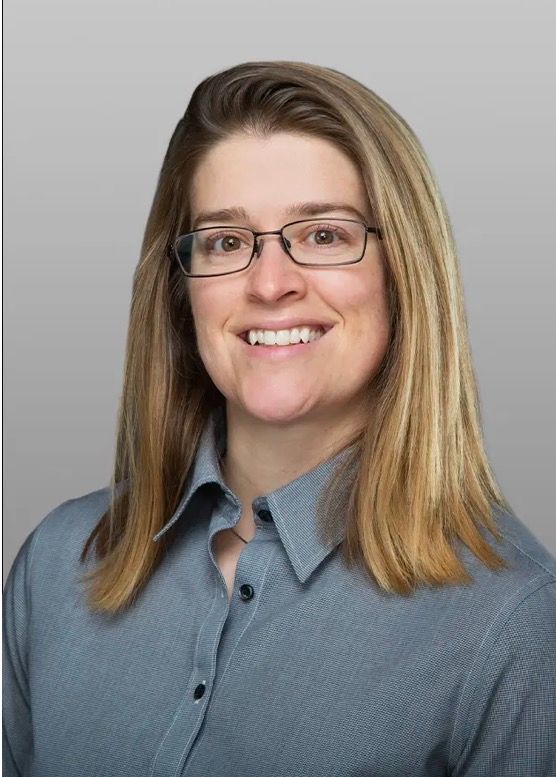
Dr. Ryan G. is a board-certified general psychiatrist with extensive experience practicing across a wide range of clinical and cultural settings. Her background includes work in inpatient psychiatry, emergency and consult-liaison psychiatry, outpatient psychiatry, and telepsychiatry, providing her with a comprehensive understanding of psychiatric care across the full continuum of…
Collaborates with South Dakota nurse practitioners · also licensed in 7 other states
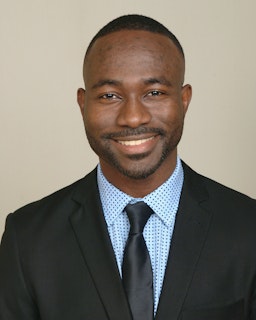
Dr. Ernest O. is a double board–certified psychiatrist based in Palo Alto, California, with advanced subspecialty expertise in psychopharmacology, psychosomatic (consultation-liaison) psychiatry, and integrative psychiatry. He completed fellowship training in Consultation-Liaison Psychiatry at Stanford Health Care following his psychiatry residency at St. John’s Episcopal Hospital.
Collaborates with South Dakota nurse practitioners · also licensed in 3 other states
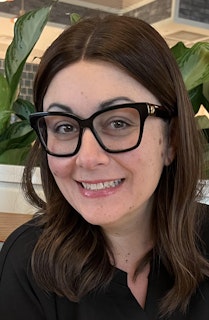
Dr. Shannon H. is a physician executive and board-certified Pediatrician with extensive experience across pediatric urgent care, pediatric emergency medicine, general pediatrics, and academic medicine. She brings a unique combination of clinical expertise and operational leadership, with a strong focus on scaling healthcare delivery.
Collaborates with South Dakota nurse practitioners · also licensed in 31 other states
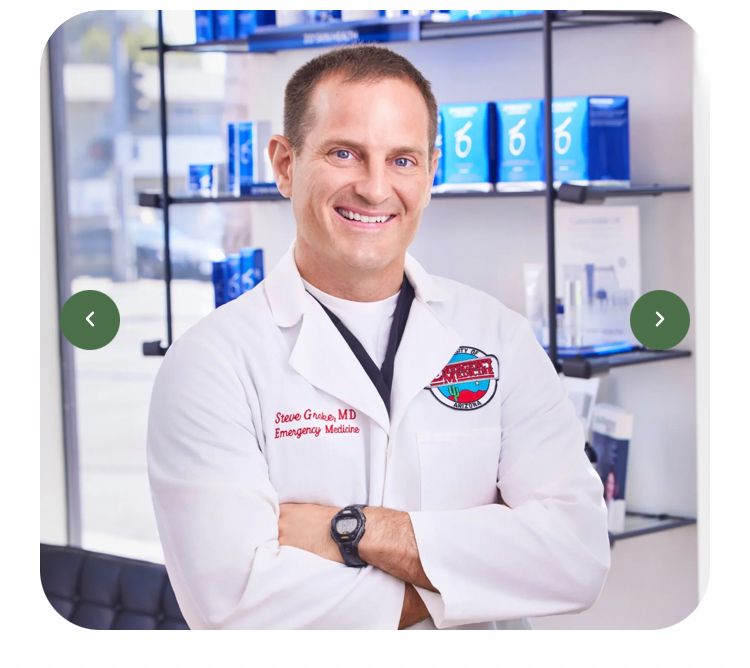
Dr. Steven G. affectionately known as “Dr. Steve” by his patients and staff, is an experienced Emergency Medicine-trained physician with a diverse clinical background spanning emergency care, primary care, mental health, telemedicine, and specialty health services.
Collaborates with South Dakota nurse practitioners · also licensed in 34 other states
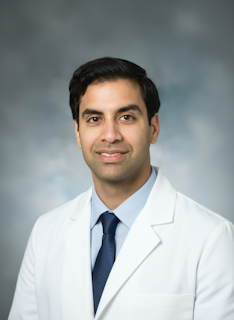
Board-Certified Family Medicine Physician | Multi-State Telemedicine & Urgent Care Leader Dr. Feras H is a dynamic, board-certified Family Medicine physician with extensive experience spanning urgent care, telemedicine, primary care, psychiatry, and weight management.
Collaborates with South Dakota nurse practitioners · also licensed in 18 other states
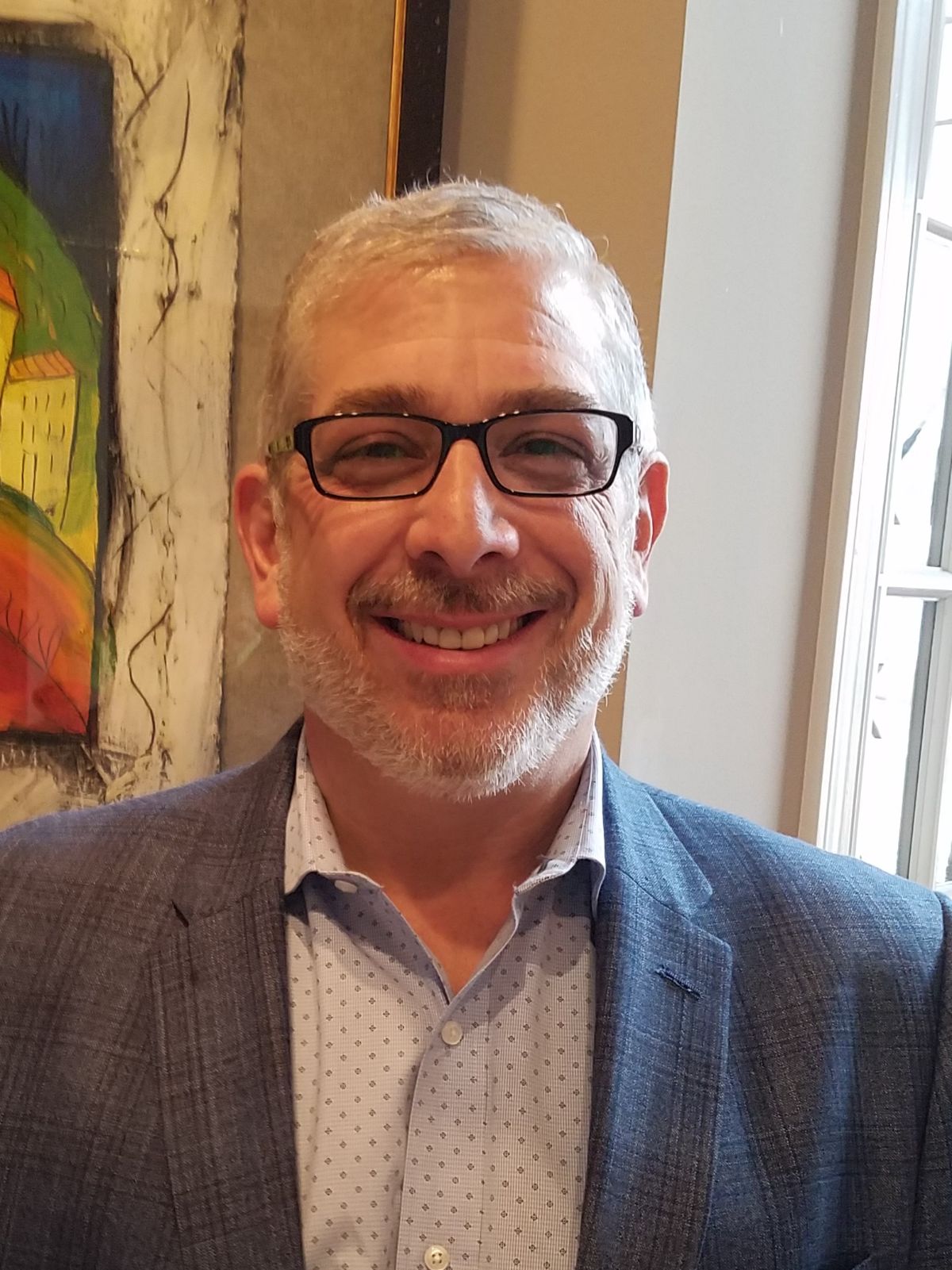
Dr. Stephen G. is a board-certified psychiatrist with added qualifications in Forensic Psychiatry and specialized training in Transcranial Magnetic Stimulation (TMS). With more than 25 years of clinical experience, he has provided comprehensive psychiatric care across a wide range of settings, including inpatient psychiatry, inpatient rehabilitation hospitals, emergency departments, consultation-liaison…
Collaborates with South Dakota nurse practitioners · also licensed in 7 other states

Dr. Russell is a board-certified physician in both Family Medicine and Obesity Medicine, with extensive experience in primary care and a focused expertise in obesity management. Since 2016, he has been practicing as an attending physician, delivering high-quality adult acute care, chronic disease management, and preventive services.
Collaborates with South Dakota nurse practitioners · also licensed in 14 other states
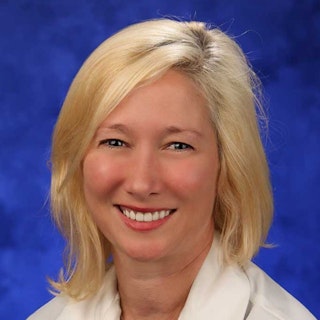
Dr. Amy M – Board-Certified Pulmonary, Critical Care, and Sleep Medicine Specialist Expert in Sleep Medicine, Pulmonary Disease, and Critical Care About Dr. Amy M Dr. Amy M is a double board-certified physician in Critical Care and Sleep Medicine, with more than 25 years of experience in complex respiratory and…
Collaborates with South Dakota nurse practitioners · also licensed in 20 other states

Dr. Jane S. is a board-certified Family Medicine physician with over 30 years of continuous outpatient clinical practice, primarily serving vulnerable and medically underserved populations. She is also board certified in Obesity Medicine and maintains multi-state licensure, allowing her to support care delivery across diverse geographic regions. Dr.
Collaborates with South Dakota nurse practitioners · also licensed in 34 other states

Dr. Jody J. is a board-certified Emergency Medicine physician with over 21 years of clinical experience delivering high-quality care in fast-paced and high-acuity environments. Throughout his career, he has served as an emergency physician and staff physician across multiple healthcare systems, including Henry Ford Health System and St.
Collaborates with South Dakota nurse practitioners · also licensed in 6 other states
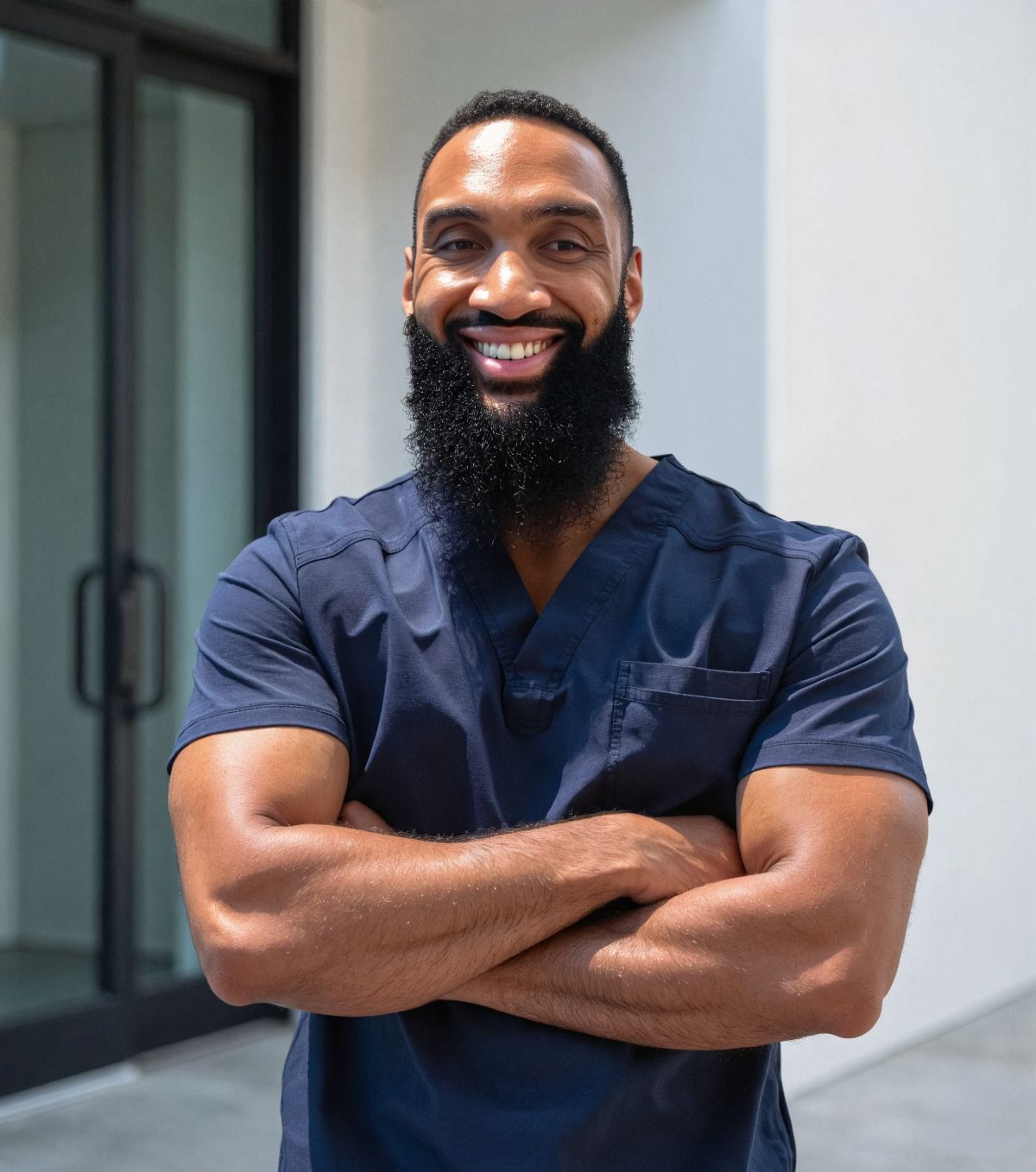
Dr. Michael F. is an experienced psychiatrist with a diverse background in providing psychiatric care across multiple states and clinical settings. As a travel psychiatrist, he has practiced in numerous healthcare environments over the past seven years, gaining broad experience treating diverse patient populations and managing a wide range of…
Collaborates with South Dakota nurse practitioners · also licensed in 2 other states
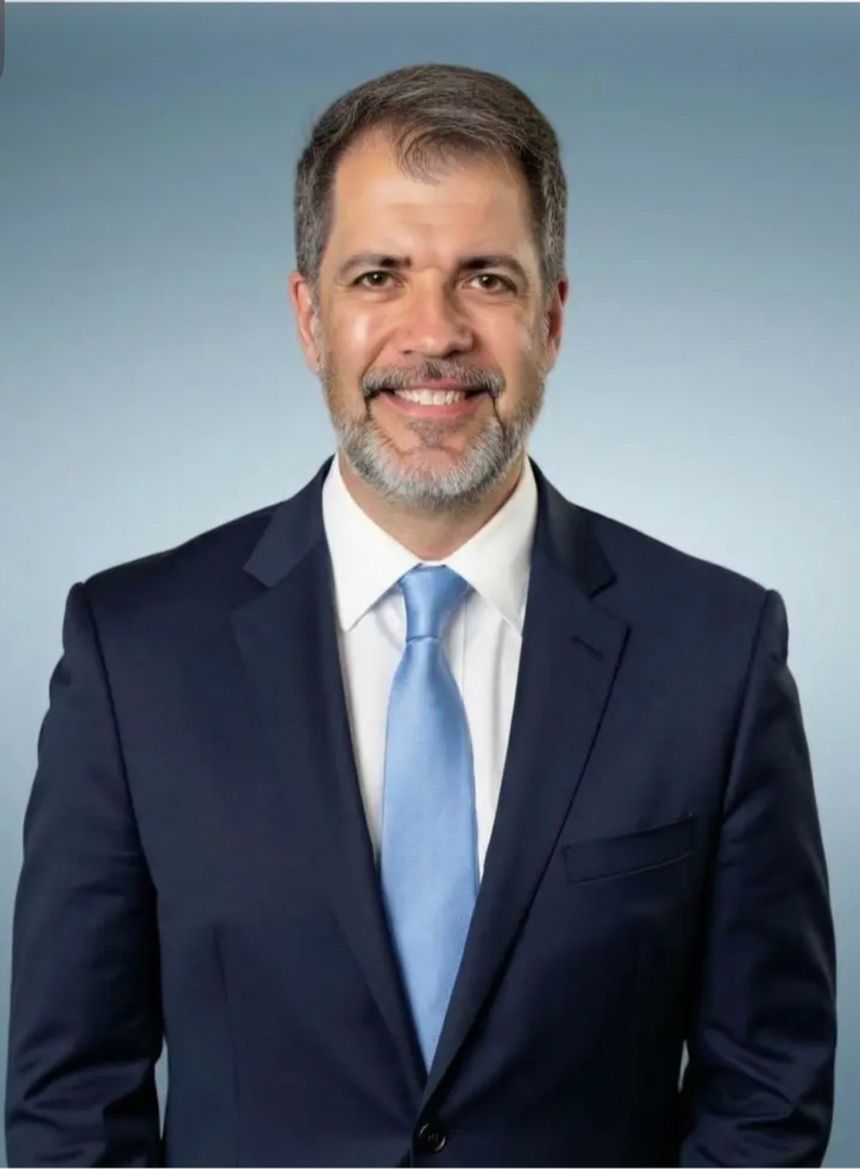
Family Medicine Physician | Telemedicine, Mental Health & Collaborative Care Dr. Christopher M. is a family medicine physician with more than 20 years of clinical experience across family practice, telemedicine, mental health, emergency medicine, urgent care, hospice, and collaborative care settings. Throughout his career, Dr.
Collaborates with South Dakota nurse practitioners · also licensed in 15 other states

Dr. Jerry C. is a highly experienced, multi-state licensed physician with nearly three decades of clinical expertise in emergency medicine, telemedicine, and integrative care. He is licensed in all 50 states and Washington, DC, and brings extensive regulatory knowledge and operational leadership to every collaboration.
Collaborates with South Dakota nurse practitioners · also licensed in 40 other states
Dr. Fahad A. is a board-certified Family Medicine physician with over 11 years of clinical experience providing comprehensive care across a wide variety of healthcare settings, including primary care, urgent care, inpatient medicine, rehabilitation facilities, nursing homes, and telemedicine.
Collaborates with South Dakota nurse practitioners · also licensed in 30 other states
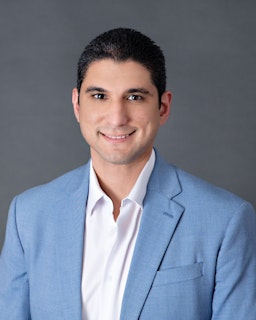
Dual Board-Certified in Internal Medicine & Obesity Medicine | Experienced Medical Director | Telehealth & Mental Health Expertise About Dr. Emill L. Dr. Emill L. is a dual board-certified physician in Internal Medicine and Obesity Medicine with over 15 years of experience across hospital medicine, telehealth, and outpatient care.
Collaborates with South Dakota nurse practitioners · also licensed in 39 other states
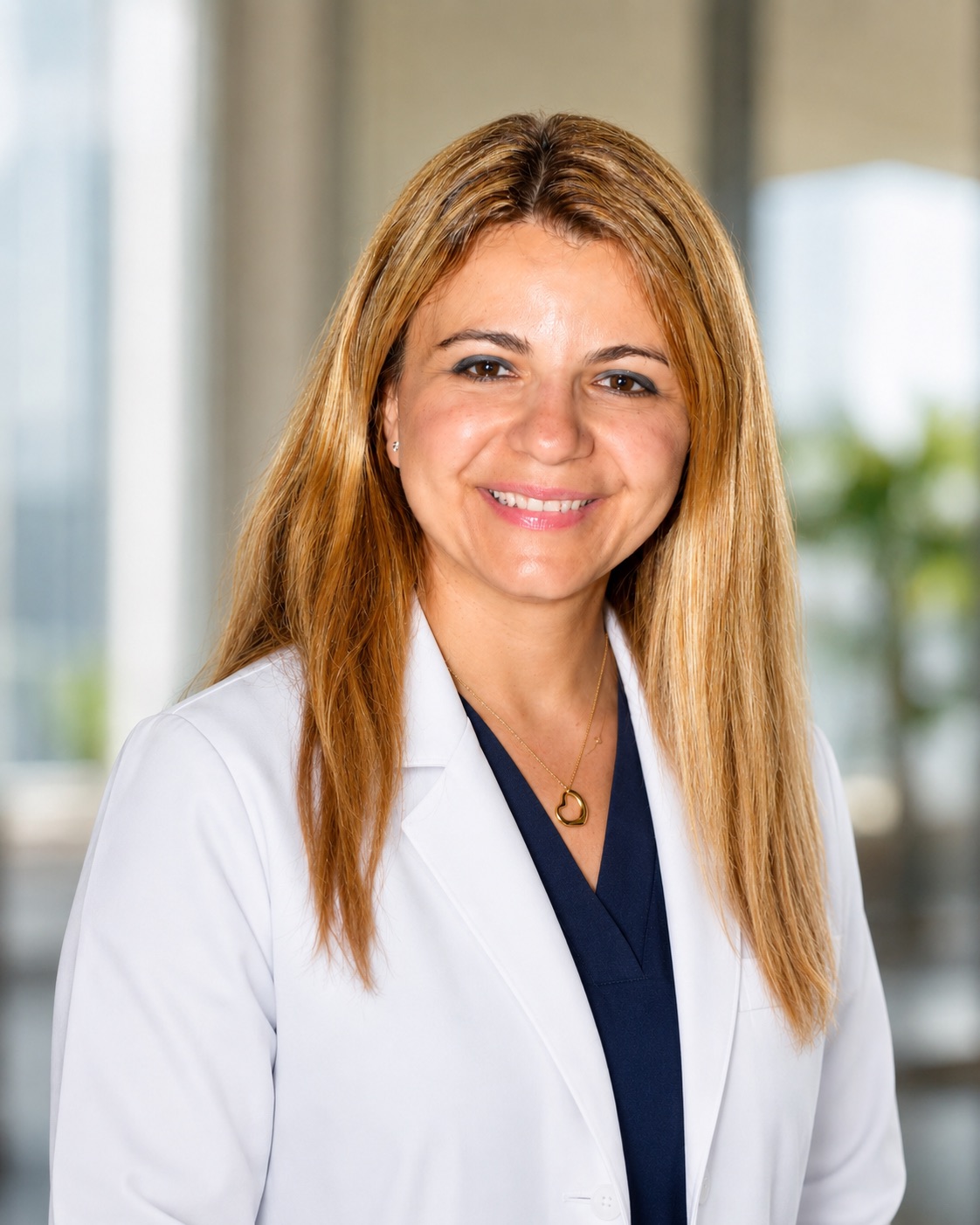
Dr. Dahlia C. is a Board-Certified Emergency Physician (ABEM) with more than 10 years of clinical experience. Since November 2023, she has served as Emergency Department Director at a hospital in New Jersey while also working ED shifts at other hospitals in New Jersey and New York.
Collaborates with South Dakota nurse practitioners · also licensed in 39 other states
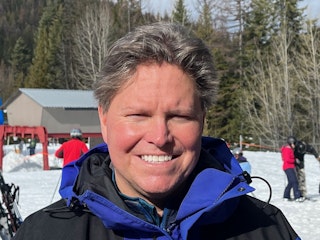
Dr. Kenneth R. is a board-certified Emergency Medicine Physician with thirty years of clinical and leadership experience spanning emergency medicine, urgent care, telemedicine, and physician supervision. A graduate of Eastern Virginia Medical School, Dr. Kenneth R.
Collaborates with South Dakota nurse practitioners · also licensed in 37 other states
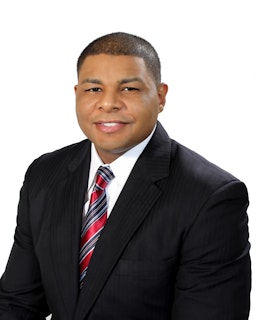
Dr. Daniel O. is an accomplished physician with more than 10 years of post-residency clinical experience, specializing in Addiction Medicine and Pediatrics while providing comprehensive care across a broad range of medical and wellness services.
Collaborates with South Dakota nurse practitioners · also licensed in 39 other states

Dr. Aneel U is an experienced psychiatrist and entrepreneur on a mission to make a meaningful difference in patient outcomes amidst a mental health crisis. He is at the forefront of innovation and cutting edge technology with a focus on improving access to care, and delivering high quality measurement based…
Collaborates with South Dakota nurse practitioners · also licensed in 15 other states

I am a board-certified Family and Addiction Medicine physician with over 15 years of experience spanning primary care, occupational health, aerospace medicine, and behavioral health. Licensed in all 50 states, I currently serve as Chief Medical Officer at Better U and CEO of Bespoke Concierge MD, where I design patient-centered…
Collaborates with South Dakota nurse practitioners · also licensed in 36 other states
FREQUENTLY ASKED QUESTIONS
Is a collaborative practice agreement required in South Dakota?
It depends on your career stage. South Dakota is a Full Practice Authority state, but newly licensed CNPs must complete 1,040 practice hours under a written collaborative agreement per SDCL 36-9A-4 before practicing independently. After the transition period, no Collaborative Practice Agreement or Prescriptive Authority Agreement is required. A written Consultation or Peer Review Agreement is strongly recommended post-transition for specialty mentorship, payer credentialing, and malpractice risk reduction.
Do I need to file any agreement with the South Dakota Board of Nursing?
During the transition period, the collaborative agreement must be on file with the Board of Nursing. Once 1,040 practice hours are documented, a Practice Verification Form is filed to retire the agreement. Post-transition, because South Dakota does not mandate physician supervision, there is no state filing requirement for voluntary consultation agreements. The NP retains any voluntary agreement at the practice site as part of their compliance documentation.
Does South Dakota recognize other APRN specialties?
Yes. The state also recognizes roles such as nurse anesthetists and nurse midwife practice tracks, and some population-based certifications extend into neonatal nursing specialties.
How long does it take to find a physician partner in South Dakota?
Personal networking can take weeks to months, particularly because South Dakota's rural physician pool is limited. NPCollaborator typically matches South Dakota NPs within 1 to 5 business days.
Can I practice independently in South Dakota after gaining experience?
Yes. South Dakota grants Full Practice Authority after completion of the mandatory 1,040-hour transition period under a collaborative agreement per SDCL 36-9A-4. Once these hours are documented and a Practice Verification Form is filed with the Board, the collaborative agreement is retired and the NP practices independently with no further mandatory collaboration.
What is my term and termination strategy if the physician leaves?
You must ensure your practice has a continuity plan. With NPCollaborator, agreements include a 30-day "no-lock-in" termination clause and immediate re-matching if your physician partner exits—minimizing disruption to your practice and preventing payer credentialing lapses.
Disclaimer: This page summarizes NP Collaborator's interpretation of South Dakota statutes, Board of Nursing rules, and DEA regulations governing nurse practitioner collaborative practice as of the date shown above. It is provided for informational purposes only and does not constitute legal, regulatory, or clinical advice. Laws and rules change — always verify current requirements directly with the South Dakota Board of Nursing or a qualified healthcare attorney before making practice decisions.
PRACTICE WITH CONFIDENCE IN SOUTH DAKOTA
Independence is a privilege—don't let it become a liability. Compliance is the foundation of your success.
Hundreds of South Dakota NPs have found their match on NPCollaborator. Yours might be a few minutes away.
[See Available South Dakota Physicians — No Commitment Required]
Sources & References
SDCL Chapter 36-9A — South Dakota APRN statute governing advanced practice nursing, collaborative agreements, and the legal framework for practice authority.
SDCL 36-9A-4 — Licensing requirements including the 1,040-hour collaborative agreement transition provision.
SDCL 36-9A-12 — CNP scope of practice and prescriptive authority.
South Dakota Board of Nursing — CNP Practice — Official Board source for CNP practice requirements, collaborative agreement guidance, and prescriptive authority.
South Dakota Board of Nursing — CNP New License Application — Collaborative agreement and Practice Verification Form requirements.
South Dakota DOH — Controlled Substance Registration — State CSR requirements, MATE Act training, and PDMP enrollment.
SDCL 34-52 — South Dakota telehealth statute.
South Dakota PDMP — Prescription Drug Monitoring Program enrollment and resources.
DEA — Diversion Control Division — Federal controlled-substance registration and prescribing requirements.
21 C.F.R. Part 1306 — Federal prescription requirements for controlled substances.
42 C.F.R. § 491.8 — Federal RHC/FQHC physician review requirements.
42 C.F.R. § 410.75 — Medicare conditions for NP services.
Further guidance
AANP — South Dakota — National practice overview for context.
American Association of Nurse Practitioners, State Practice Environment — National practice-environment guidance.
National Council of State Boards of Nursing, APRN Practice resources — National APRN collaboration guidance.
Related resources
NP Collaborative Agreement Template (Free Download)
Get a free 50+ page collaborative agreement template covering all 50 states. Includes sample language, filing requirements and NP-protective clauses.
Read moreGuidesBrowse All NP Resources
Guides, comparisons, templates and tools for nurse practitioners in one place.
Read moreComparisonsBest Collaborating Physician Platforms (2026)
Honest comparison of the top NP collaborating physician platforms. Transparent all-inclusive pricing starting at $424/mo.
Read moreToolsNP Collaboration Savings Calculator
Calculate how much you can save on collaboration fees. Compare costs and find the best rates in your state.
Read more