Oklahoma APRNs with supervised prescriptive authority must file their physician agreement with the Board of Nursing via the Nurse Portal. The osteopathic board rule requires the supervising physician to review at least 15% of patient charts monthly per OAC 510:10-4-2(6). Schedule I and II prescribing is prohibited under the exclusionary formulary; Schedule III–V is limited to a 30-day supply. HB 2298 created an independent prescriptive authority pathway after 6,240 supervised hours. Physicians may supervise no more than 6 APRNs/PAs combined per OAC 435:10-13-2.
Oklahoma is a restricted practice state per AANP. APRNs need a physician supervision agreement for supervised prescriptive authority under the Oklahoma Nursing Practice Act. However, HB 2298, effective November 2025, created an independent prescriptive authority pathway for APRNs completing 6,240 supervised hours. Once approved, no supervision agreement is required for prescribing. APRNs cannot prescribe Schedule I or II controlled substances under the exclusionary formulary. Schedule III through V are limited to 30-day supply. DEA and OBNDD registrations are both required for controlled substance prescribing.
Oklahoma is a restricted practice state per AANP, meaning APRNs need a physician supervision agreement for supervised prescriptive authority under the Oklahoma Nursing Practice Act. However, HB 2298 (effective November 1, 2025) created an independent prescriptive authority pathway for APRNs who complete 6,240 hours of supervised prescriptive practice. No agreement is needed for general NP practice without prescriptive authority. APRNs cannot prescribe Schedule I or II controlled substances under the Oklahoma Exclusionary Formulary, and Schedule III–V prescriptions are limited to a 30-day supply. Controlled substance prescribing requires both a DEA registration and an OBNDD registration.
Everything Oklahoma nurse practitioners need to know about collaborative agreements, physician supervision, prescriptive authority, compliance requirements, and finding the right fit without overpaying. Updated for 2026.
Oklahoma does not give nurse practitioners an easy path to independence.
Unlike New Mexico or North Dakota, Oklahoma remains a restricted practice state for advanced practice registered clinicians. A collaborative practice agreement required for prescriptive authority must be in place with a licensed physician, but no agreement is needed for general practice in Oklahoma. New NPs typically begin with a period of Supervised Prescriptive Authority before moving to independent prescriptive authority, and the threshold for that transition is 6,240 hours of supervised clinical practice.
As of November 1, 2025, HB 2298 (59 O.S. § 567.4c) created a formal pathway to independent prescriptive authority. APRNs who complete the 6,240-hour supervised threshold can apply through the Oklahoma Board of Nursing Nurse Portal, and once approved, the physician supervision agreement is no longer required for prescribing. The exclusionary formulary, scope of practice, and Schedule II prohibition remain unchanged. APRNs must maintain their existing supervision agreement until the Board formally approves independent authority — terminating early may result in loss of all prescriptive authority.
If you want to run your own clinic, launch a telehealth practice, or even prescribe basic medications in Oklahoma, you need a physician during the supervised phase. For most NPs, the challenge is not understanding the rule. It is navigating the compliance requirements, finding a physician who actually fits their practice, and doing it without overpaying or delaying their launch.
This guide covers all of it.
What Oklahoma Requires at a Glance
Key Requirements at a Glance
Requirement | Oklahoma Rule | Practical Notes |
|---|---|---|
Collaborative Agreement for General NP Practice | ❌ Not required | No agreement is needed to practice as an APRN without prescriptive authority. |
Collaborative Agreement for Prescriptive Authority | ✅ Required for supervised prescriptive authority | Agreement (Form RS-20) must be filed with the Board via Nurse Portal. Not required after qualifying for independent prescriptive authority via HB 2298. |
Oklahoma NP Full Practice Authority | ❌ No | Oklahoma is classified as restricted practice by AANP. |
Career-Long Physician Supervision | ❌ No — exit pathway exists | APRNs can transition to independent prescriptive authority after 6,240 supervised hours (HB 2298, effective November 2025). |
Prescriptive Authority | ✅ Requires pharmacology education and either a supervision agreement or independent authority | Initial: 45 contact hours of Category B CE or 3 credit hours Category A in pharmacotherapeutics within 3 years. Renewal: 15 hours or 1 credit per 2-year cycle. |
Controlled Substance Prescribing | ✅ Schedule III–V only; Schedule I and II prohibited | Requires DEA registration AND OBNDD registration ($140/year). 30-day supply limit. EPCS mandatory. |
Physician Ratio Cap | ⚠️ Yes — maximum 6 APRNs/PAs combined per physician | Per OAC 435:10-13-2. Exceptions may be granted by the Board of Medical Licensure. |
Geographic Proximity Requirement | ❌ No distance requirement | Physician must be "reasonably accessible" for consultation (phone or electronic communication acceptable). No mileage or on-site visit mandate. |
Telemedicine Collaboration | ✅ Permitted if collaboration and prescribing rules are met | Telehealth does not change licensure or prescribing obligations. |
Agreement Renewal | ✅ Required — terms set by agreement and state rules | Prescriptive authority renews with APRN license every two years. |
Find a Collaborating Physician in Oklahoma
18 physicians currently available • Listed fees: $494–$949/mo
Updated November 2026
| Physician | Specialty | Fee/mo |
|---|---|---|
| Shannon H, DO | Mental Health, Primary Care | $494 |
| Steven G, MD | Mental Health, Primary Care | $497 |
| Bette G, MD | Primary Care, Hormone Optimization | $499 |
| Gary B, MD | Primary Care, Medical Weight Loss | $499 |
| Jerry C, DO | Medical Aesthetics, Medical Weight Loss | $524 |
The Cost of Getting This Wrong
Why the Written Relationship Matters
In Oklahoma, the collaborating physician relationship is not just an informal business arrangement. It is part of how APRN practice is structured under the Oklahoma Nursing Practice Act and Oklahoma Board of Nursing practice guidance. The practical risk is straightforward: if your written arrangement does not match how you actually practice, documentation gaps can create licensing, credentialing, and billing problems.
The safest approach is to keep the written agreement aligned with your real clinical workflow, prescribing scope, consultation process, and oversight documentation. That gives you a clear operating document for day-to-day practice and a cleaner file if your practice is ever reviewed.
HB 2298: The Independent Prescriptive Authority Pathway
What Changed in November 2025
HB 2298 (59 O.S. § 567.4c), effective November 1, 2025, created a pathway for qualified APRNs — CNPs, CNSs, and CNMs — to obtain independent prescriptive authority without a physician supervision agreement.
Eligibility requirements:
Hold a valid, current Oklahoma APRN license in good standing
Complete at least 6,240 hours of clinical practice with prescriptive authority under physician supervision
Meet pharmacology continuing education requirements (45 contact hours Category B or 3 credit hours Category A within 3 years of application)
Maintain malpractice insurance of at least $1 million per occurrence and $3 million aggregate per year (59 O.S. § 567.5b)
Application process:
Apply via the Oklahoma Board of Nursing Nurse Portal
$85 application fee
Attestation of completed clinical hours (subject to audit)
What changes upon approval:
No physician supervision agreement is required for prescribing
Prescriptions must include "Independent Rx Authority" instead of the supervising physician's name
The APRN assumes full prescriptive responsibility under their own authority
What does NOT change:
The exclusionary formulary remains in effect — Schedule I and II controlled substances are still prohibited
Scope of practice remains unchanged
DEA and OBNDD registrations are still required for controlled substance prescribing
30-day supply limit for Schedule III–V remains
Critical transition rule: APRNs must maintain their existing supervision agreement UNTIL the Board formally approves the independent authority application. Terminating the supervision agreement before receiving Board approval may result in the loss of all prescriptive authority.
The Collaborative Agreement: What It Must Include
What the Written Agreement Should Cover (Supervised Prescriptive Authority)
Oklahoma Board of Nursing practice materials govern APRN collaborative practice, so the written agreement should be detailed enough to show how the NP and collaborating physician will actually work together. At a minimum, the document should match the practice's real scope, prescribing workflow, consultation pathway, and oversight process.
The agreement (Form RS-20) must be uploaded to the APRN's profile via the Oklahoma Board of Nursing Nurse Portal. A copy must also be provided to the supervising physician. Changes in supervising physician must be reported and filed within 30 days.
In day-to-day operations, strong agreements usually cover the clinical services the NP will provide, when the collaborating physician will be consulted, how prescribing questions will be handled, and how chart review will be documented. Practices that write the review percentage and review interval into the agreement tend to operate more smoothly when questions come up later.
Oklahoma has a specific chart-review standard: at least fifteen percent (15%) of patient charts recording treatment by the supervised mid-level practitioner must be reviewed by the supervising physician or alternate each month per OAC 510:10-4-2(6). National APRN guidance from the NCSBN also supports writing the conferral cadence directly into the agreement, with monthly meetings as a common default and an annual protocol refresh to keep the document current.
Controlled Substances and Prescriptive Authority: What Oklahoma NPs Can and Cannot Prescribe
Prescriptive Authority Requirements
To obtain prescriptive authority in Oklahoma, APRNs must meet pharmacology education requirements: 45 contact hours of Category B continuing education or 3 academic credit hours of Category A education in pharmacotherapeutic management within the three years preceding the initial application. For renewal, 15 contact hours or 1 academic credit hour per two-year cycle are required. Source: Oklahoma Board of Nursing PA-4.
Controlled Substance Prescribing
In Oklahoma, controlled-substance prescribing has to fit both the state's APRN authority framework and the written collaborating physician arrangement (for supervised authority) or the independent prescriptive authority rules (for HB 2298-qualified APRNs).
Oklahoma APRNs are prohibited from prescribing Schedule I and II controlled substances under the Exclusionary Formulary (63 O.S. § 2-312.C). This prohibition applies to ALL APRNs, regardless of whether they hold supervised or independent prescriptive authority. The exclusionary formulary is reviewed annually by the Formulary Advisory Council (59 O.S. § 567.4a).
Schedule III–V prescriptions are limited to a 30-day supply. This includes single-dose, time-released medications — if a controlled substance is designed to release over more than 30 days, the APRN cannot prescribe it.
Electronic prescribing (EPCS) is mandatory for all controlled substance prescriptions in Oklahoma as of January 1, 2020.
To prescribe controlled substances, APRNs must hold:
A DEA registration in their own name
An Oklahoma Bureau of Narcotics and Dangerous Drugs Control (OBNDD) registration ($140 annual fee, expires October 31 each year)
If either the DEA or OBNDD registration lapses or becomes inactive, the APRN must immediately cease prescribing controlled substances.
Federal law adds a separate floor. Under 21 C.F.R. Part 1306, a controlled-substance prescription must be issued for a legitimate medical purpose by a practitioner acting in the usual course of professional practice, and the prescriber must hold a DEA registration in the prescriber's own name. State law narrows what is permitted from there; it never expands past the federal requirement.
Operationally, the agreement should spell out how higher-risk prescribing questions are escalated, when the collaborating physician is consulted, and how the practice documents review of those cases.
Physician Ratio Limits and Geographic Requirements
How the Collaborating Physician Relationship Works in Practice
Under OAC 435:10-13-2, a physician may supervise no more than 6 physician assistants and/or advanced practice nurses combined regarding prescriptive authority. The Board of Medical Licensure and Supervision may grant exceptions upon request. The supervising physician must maintain at least 20 hours per week of direct patient contact and be trained and qualified in the APRN's specialty.
Oklahoma does not impose a geographic distance or on-site visit requirement. The standard is "reasonable accessibility" — the physician must be available for consultation via phone or electronic communication and able to assist with medical emergencies, consultations, and patient referrals.
For remote and multi-site practices, clarity matters more than geography alone. The operational question is whether the agreement creates a reliable consultation pathway that matches the services the NP is actually providing.
Ongoing Compliance: Chart Reviews, Meetings, and Documentation
Chart Review, Conferrals, and Documentation
The written agreement should say exactly how chart review will work. Practices that write a specific review percentage into the agreement have an easier time at audit than practices that do not. Oklahoma's osteopathic board rule sets a specific standard: at least fifteen percent (15%) of patient charts must be reviewed by the supervising physician or alternate each month per OAC 510:10-4-2(6).
Conferrals should be scheduled and documented with the same discipline. National APRN guidance from the NCSBN supports writing the conferral interval into the agreement and sticking to it; monthly is the customary default when a state source does not set a specific cadence. An annual protocol review is also a practical way to refresh the formulary, update workflows, and make sure the agreement still matches the practice.
Documentation should be retained in a way the practice can actually produce later: date each chart review, keep meeting notes with attendees and topics, and retain each signed version of the protocol rather than overwriting it. For clinics billing as an RHC or FQHC, 42 C.F.R. § 491.8 independently requires periodic physician review of NP-furnished services and patient records. Medicare also applies its own collaboration and documentation conditions for payment under 42 C.F.R. § 410.75.
Telemedicine Collaborations in Oklahoma
Telehealth and Remote Collaboration
Yes, Oklahoma NPs can practice by telehealth, but telehealth does not remove the underlying Oklahoma APRN collaboration rules. Remote practice still has to fit the Oklahoma Board of Nursing's APRN practice guidance and the terms of the written collaborating physician arrangement (for supervised prescriptive authority) or the independent prescriptive authority requirements (for HB 2298-qualified APRNs).
Telehealth also does not change where licensure rules apply. As a matter of common practice, the patient's physical location at the time of the visit determines which state's license and which state's collaboration rule apply.
Oklahoma law permits APRNs to provide telemedicine services, provided the same collaborative agreement requirements apply. Key considerations for telehealth NPs:
Your collaborative agreement must address how oversight, consultation, and chart review will be conducted in a virtual environment
Your prescribing must follow Oklahoma and federal law, including controlled-substance restrictions and the exclusionary formulary
Your collaborating physician must remain reasonably accessible even if your practice is virtual
All communication between you and your collaborating physician must occur on HIPAA-compliant platforms
Out-of-state APRNs providing telemedicine services to Oklahoma patients must hold an active Oklahoma APRN license and comply with all state-specific collaboration rules
NPCollaborator's physician network includes physicians with active telemedicine experience across multiple states, many of whom are already set up for virtual collaboration workflows.
How to Find a Collaborating Physician in Oklahoma
How to Find the Right Collaborating Physician in Oklahoma
The best collaborating physician is not just licensed and available. The right fit is someone whose specialty, responsiveness, and workflow match the care you actually deliver.
Specialty fit: The physician should be comfortable with the patient population, prescribing profile, and clinical decisions your practice handles every day.
Consultation workflow: Ask how same-day questions are handled, which issues should be escalated, and what response time you can expect.
Chart review process: Agree in advance on the review percentage, review interval, and how feedback will be documented.
Prescribing comfort: Make sure the physician is comfortable with the medication classes and controlled-substance issues your practice expects to manage.
Documentation habits: A strong relationship produces signed documents, dated chart reviews, and consistent meeting notes rather than informal text threads.
If you are comparing options, use the same checklist for every candidate so you can evaluate clinical fit and operational fit side by side.
Employer-arranged relationship: Common in health systems and clinics where the organization controls the agreement structure. Simple but limited control over physician fit and engagement. Does not apply if you are building your own practice.
Personal networking and cold outreach: Can work, but slow, unpredictable, and typically above-market pricing. Weeks of searching with no guarantee.
Matching platform: Pre-vetted physicians, transparent pricing, faster matching, compliance infrastructure built in. For most independent NPs, this is the fastest and most reliable path.
What to Look for in a Collaborating Physician (Beyond the Credential Check)
Finding a Physician Who Is a True Practice Partner
Finding a physician who is licensed and available is the floor, not the ceiling. Beyond credentials, the right physician should understand your specialty's scope of practice and collaboration demands.
The right collaborating physician understands your specialty, communicates reliably, and treats the relationship as a genuine clinical partnership — not a monthly transaction. If you have had a bad experience with a collaborating physician before, you already know the difference.
Before signing any agreement, ask:
Do they have experience in your specialty? A family medicine physician collaborating on a psychiatric practice is a different dynamic than a psychiatrist doing the same.
What is their availability for real-time consultation? Oklahoma requires reasonable accessibility, so make sure they can actually deliver that and support the consultation, review, and patient referral needs of your practice agreement.
How do they conduct chart reviews? Are they engaged and providing clinical feedback, or just signing off on a percentage?
What is their communication style? Regular meetings are required, so you need someone you can actually work with.
Are they at or near their legal NP capacity? Oklahoma limits physicians to 6 APRNs/PAs combined (OAC 435:10-13-2). Confirm this before you invest time in the relationship.
NPCollaborator's matching process is built around these questions — not just credential verification, but clinical and operational fit. Every physician in the marketplace has been vetted for specialty alignment, availability, and collaborative track record, with attention to fit within your practice environment.
Find a Collaborating Physician in Oklahoma
18 verified physicians ready to collaborate · Fees $494–$949/mo

Dr. Bette G. is an Internal Medicine provider with 10 years of hospitalist experience and a background in primary care. She is also a Certified Functional Medicine Provider and a Registered Dietitian.
Collaborates with Oklahoma nurse practitioners · also licensed in 4 other states

Dr. Gary B. is a board-certified Internal Medicine physician with more than 30 years of clinical experience providing comprehensive adult medical care in private practice, hospital medicine, long-term acute care hospitals (LTACs), and academic medicine.
Collaborates with Oklahoma nurse practitioners

Dr. Jerry C. is a highly experienced, multi-state licensed physician with nearly three decades of clinical expertise in emergency medicine, telemedicine, and integrative care. He is licensed in all 50 states and Washington, DC, and brings extensive regulatory knowledge and operational leadership to every collaboration.
Collaborates with Oklahoma nurse practitioners · also licensed in 40 other states
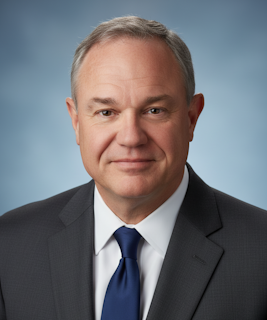
Dr. Steven B. is an integrative and functional medicine physician with more than a decade of experience delivering patient-centered, performance-focused care across emergency medicine, primary care, long-term care, and wellness-based practice settings. A former U.S. Army Flight Surgeon, Dr. Steven B.
Collaborates with Oklahoma nurse practitioners

Board-Certified Psychiatrist | Medical Director | Adolescent & Adult Mental Health Expert | Experienced NP Collaborator About Dr. Lisa D. Dr. Lisa D. is a board-certified psychiatrist with over 30 years of experience delivering compassionate, comprehensive mental health care to children, adolescents, and adults.
Collaborates with Oklahoma nurse practitioners · also licensed in 14 other states

Dr. Ronald R. is a dual-board certified physician in Internal Medicine and Clinical Informatics, with nearly two decades of clinical practice and leadership in hospital medicine. He currently serves as the Market Medical Director for Full Population Management and Home-Based Medical Home in Arkansas under Optum, and supervises care management…
Collaborates with Oklahoma nurse practitioners · also licensed in 11 other states

Dr. Courtney N. is a board-certified psychiatrist specializing in child, adolescent, perinatal, and perimenopausal mental health. With over 12 years of clinical experience, she provides comprehensive evaluation and treatment for a broad range of psychiatric conditions, integrating medication management, psychotherapy, nutritional guidance, lifestyle modifications, and complementary therapies. Dr.
Collaborates with Oklahoma nurse practitioners

Dr. Tuvia B. is a board-certified psychiatrist with subspecialty board certification in Child and Adolescent Psychiatry. With more than 15 years of clinical experience, he provides comprehensive psychiatric care to children, adolescents, and adults across a variety of practice settings, including private practice, telepsychiatry, outpatient behavioral health, correctional psychiatry, and…
Collaborates with Oklahoma nurse practitioners · also licensed in 29 other states

Dr. Shannon H. is a physician executive and board-certified Pediatrician with extensive experience across pediatric urgent care, pediatric emergency medicine, general pediatrics, and academic medicine. She brings a unique combination of clinical expertise and operational leadership, with a strong focus on scaling healthcare delivery.
Collaborates with Oklahoma nurse practitioners · also licensed in 31 other states

Dr. Steven G. affectionately known as “Dr. Steve” by his patients and staff, is an experienced Emergency Medicine-trained physician with a diverse clinical background spanning emergency care, primary care, mental health, telemedicine, and specialty health services.
Collaborates with Oklahoma nurse practitioners · also licensed in 34 other states

Dr. Daniel K. is a board-certified neurologist recognized by the American Board of Psychiatry and Neurology, holding multiple advanced certifications in vascular neurology, neurocritical care, and brain injury medicine. His training and clinical experience bridge neurology and psychiatry, enabling him to provide a comprehensive, mind–body approach to diagnosis and treatment.
Collaborates with Oklahoma nurse practitioners · also licensed in 8 other states

Dr. Vincent J. is a board-certified internist with extensive clinical, executive, and supervisory experience spanning primary care, public health, managed care, complex patient populations, and functional, integrative anti-aging and rejuvenative medicine.
Collaborates with Oklahoma nurse practitioners · also licensed in 8 other states

I am a board-certified Family and Addiction Medicine physician with over 15 years of experience spanning primary care, occupational health, aerospace medicine, and behavioral health. Licensed in all 50 states, I currently serve as Chief Medical Officer at Better U and CEO of Bespoke Concierge MD, where I design patient-centered…
Collaborates with Oklahoma nurse practitioners · also licensed in 36 other states

Dr. Felicie W. is a highly experienced, triply board-certified physician in Internal Medicine, Geriatrics, and Hospice & Palliative Medicine, with extensive clinical, academic, and leadership experience across military, VA, hospital, and community-based healthcare systems.
Collaborates with Oklahoma nurse practitioners · also licensed in 23 other states

Board-Certified Emergency Medicine Physician & Experienced NP Collaborator Dr. Seth Di is a board-certified emergency medicine physician with over 20 years of experience in emergency and urgent care settings. He has a deep understanding of acute medical conditions, making him well-suited to assess and manage true emergencies in any private…
Collaborates with Oklahoma nurse practitioners · also licensed in 20 other states

Dr. Michael U. is a board-certified Emergency Medicine physician and Medical Director with extensive expertise in hormone replacement therapy (HRT), peptide therapy, telemedicine, urgent care, and IV infusion therapy. He trained in Emergency Medicine at Cook County Hospital in Chicago after earning his medical degree from the University of Miami…
Collaborates with Oklahoma nurse practitioners · also licensed in 8 other states

Dr. Aneel U. is an experienced psychiatrist and entrepreneur on a mission to make a meaningful difference in patient outcomes amidst a mental health crisis. He is at the forefront of innovation and cutting edge technology with a focus on improving access to care, and delivering high quality measurement based…
Collaborates with Oklahoma nurse practitioners · also licensed in 11 other states

I am a board-certified Family Medicine physician with 10 years of clinical experience in outpatient primary care and urgent care settings. I am a dedicated physician with a strong focus on preventive medicine, chronic disease management, urgent care, telemedicine, and Osteopathic Manipulative Therapy.
Collaborates with Oklahoma nurse practitioners · also licensed in 9 other states
Frequently Asked Questions
What are the legal requirements for an Oklahoma collaborative agreement?
A valid supervision agreement must be written, signed by both parties, and include the scope of delegated authority, chart review protocols, consultation procedures, and a quality assurance plan. It is required for supervised prescriptive authority with a licensed physician, but no agreement is required for general practice in Oklahoma. The agreement (Form RS-20) must be uploaded to the APRN's Nurse Portal profile with the Oklahoma Board of Nursing, and a copy must be provided to the supervising physician.
Does the NP file the collaborative agreement with the state?
Yes. The APRN must upload the Agreement for Physician Supervising APRN Prescriptive Authority (Form RS-20) to their profile via the Oklahoma Board of Nursing Nurse Portal. A copy must also be provided to the supervising physician. Changes in supervising physician must be reported and filed within 30 days.
How long does it take to find a collaborating physician?
Personal networking can take weeks to months. NPCollaborator typically matches Oklahoma NPs within 1 to 5 business days.
Can I practice independently in Oklahoma after gaining experience?
Oklahoma remains a restricted practice state per AANP and does not grant full practice authority. However, HB 2298 (effective November 2025) created a pathway to independent prescriptive authority for APRNs who complete 6,240 supervised clinical hours. Once approved, the physician supervision agreement is no longer required for prescribing, though the exclusionary formulary (no Schedule I or II), 30-day supply limit, and scope of practice remain unchanged.
What happens if my collaborating physician leaves?
If you hold supervised prescriptive authority, you must stop prescribing immediately until a new agreement is in place and filed with the Board. This is one of the strongest reasons to use a platform — rapid replacement is built into the process, minimizing disruption to your practice. If you hold independent prescriptive authority (post-HB 2298), a physician departure does not affect your prescribing authority.
Does my collaborating physician need to be in the same city?
No. Oklahoma requires reasonable accessibility, not geographic proximity. Your physician must be available for timely consultation by phone or electronic communication. There is no mileage or on-site visit mandate.
Can a physician collaborate with multiple NPs?
Yes, but Oklahoma imposes a ratio limit: a physician may supervise no more than 6 APRNs/PAs combined for prescriptive authority under OAC 435:10-13-2. The Board of Medical Licensure may grant exceptions. Confirm capacity before entering an agreement.
Is there a 2026 legislative watch for Oklahoma NPs?
The major recent change was HB 2298, effective November 2025, which created the independent prescriptive authority pathway. Oklahoma NPs have advocated for expanded practice authority in recent legislative sessions. As of 2026, the collaborative agreement requirement for supervised prescriptive authority remains in effect, and Oklahoma is still classified as restricted practice by AANP. This guide will be updated if significant changes occur.
What should I do if my agreement lapses?
Stop all delegated practice and prescribing immediately. Contact your collaborating physician to renew, or use a matching platform to find a replacement quickly. File the new agreement with the Board of Nursing within 30 days of any change.
What controlled substances can Oklahoma NPs prescribe?
Oklahoma APRNs may prescribe Schedule III–V controlled substances only. Schedule I and II are prohibited under the exclusionary formulary (63 O.S. § 2-312.C). Prescriptions are limited to a 30-day supply. DEA and OBNDD registrations are both required. Electronic prescribing (EPCS) is mandatory for all controlled substance prescriptions.
Sources & References
Oklahoma Nursing Practice Act — Statutory framework for nursing practice and the legal framework for APRNs in Oklahoma.
Oklahoma Board of Nursing APRN Practice / Prescriptive Authority — Official Board practice page for APRN rules, scope, prescriptive authority filing requirements.
Oklahoma Board of Nursing Prescriptive Authority Requirements (PA-4) — Initial prescriptive authority application requirements including pharmacology education.
Oklahoma Board of Nursing Independent Prescriptive Authority (PA-4B) — Independent prescriptive authority application requirements under HB 2298.
Oklahoma HB 2298 FAQ — Board FAQ on independent prescriptive authority eligibility, application, and transition rules.
Oklahoma Exclusionary Formulary — Official list of medications APRNs cannot prescribe, including Schedule I and II controlled substances.
Agreement for Physician Supervising APRN Prescriptive Authority (Form RS-20) — Official supervision agreement form.
OAC 435:10-13-2 — Physician Ratio Limits — Board of Medical Licensure rule on maximum 6 APRNs/PAs per physician.
Oklahoma Bureau of Narcotics and Dangerous Drugs Control (OBNDD) Registration — State controlled substance registration for prescribers.
59 O.S. § 567.4c — Independent Prescriptive Authority — HB 2298 statute text.
59 O.S. § 567.5b — Malpractice Insurance Requirement — $1M/$3M malpractice insurance requirement for independent prescriptive authority.
Oklahoma Board of Nursing (Official) — Board homepage and Nurse Portal.
Further Guidance
AANP Oklahoma Advocacy Page — Practice-authority summary for Oklahoma.
AANP State Practice Environment — National guidance on state-by-state NP practice environments.
NCSBN APRN Practice Resources — National APRN practice and conferral guidance.
NCSBN Consensus Model for APRN Regulation — National APRN regulatory framework.
21 C.F.R. Part 1306 — Federal DEA Prescription Requirements — Federal controlled-substance prescription rules.
42 C.F.R. § 491.8 — RHC/FQHC Physician Review — Federal physician review requirements for rural health centers and FQHCs.
42 C.F.R. § 410.75 — Medicare NP Services — Federal Medicare payment and collaboration rules for NP services.
Disclaimer: This page summarizes NP Collaborator's interpretation of Oklahoma statutes, Board of Nursing rules, and DEA regulations governing nurse practitioner collaborative practice as of the date shown above. It is provided for informational purposes only and does not constitute legal, regulatory, or clinical advice. Laws and rules change — always verify current requirements directly with the Oklahoma Board of Nursing or a qualified healthcare attorney before making practice decisions.
Related resources
NP Collaborative Agreement Template (Free Download)
Get a free 50+ page collaborative agreement template covering all 50 states. Includes sample language, filing requirements and NP-protective clauses.
Read moreGuidesBrowse All NP Resources
Guides, comparisons, templates and tools for nurse practitioners in one place.
Read moreComparisonsBest Collaborating Physician Platforms (2026)
Honest comparison of the top NP collaborating physician platforms. Transparent all-inclusive pricing starting at $424/mo.
Read moreToolsNP Collaboration Savings Calculator
Calculate how much you can save on collaboration fees. Compare costs and find the best rates in your state.
Read more