Ohio requires every APRN to enter a Standard Care Arrangement with a collaborating physician before practicing. The arrangement must include periodic random chart review at least annually per OAC 4723-8-05(B)(1). The Ohio Board of Nursing is the primary regulatory authority per ORC 4723.50. Prescriptive authority covers Schedules III–V independently, while Schedule II is strictly restricted. Ohio enforces a five-NP prescribing cap per physician. NPs must register with OARRS and include ICD-10-CM diagnosis codes on all controlled substance prescriptions.
Ohio nurse practitioners practice under a Standard Care Arrangement rather than traditional collaboration models. This guide explains Ohio's unique requirements, prescribing limits, physician availability, costs, and compliance obligations.
All Certified Nurse Practitioners, Certified Nurse Midwives, and Clinical Nurse Specialists in Ohio are required to have a Standard Care Arrangement if they are providing patient care.
Aspect | Details |
|---|---|
Practice Authority Type | Collaborative Practice with Independent Prescriptive Authority (applies to certified nurse practitioner, certified nurse midwife, and clinical nurse specialist) |
Collaboration Requirement | Yes – Collaborating Physician Agreement Required |
Supervising Physician Requirement | Yes – Active Practicing Physician with active board certification |
Chart Review Requirement | Yes – Periodic random chart review at least annually per OAC 4723-8-05(B)(1) |
Prescriptive Authority | Full (Including Controlled Substances Schedule III-V independently; Schedule II strictly restricted — see below; subject to exclusionary formulary for certified nurse practitioner, certified nurse midwife, and clinical nurse specialist. NPs cannot prescribe Schedule I, medical marijuana, or abortifacients.) |
Governing Board | Ohio Board of Nursing (primary regulatory authority per ORC 4723.50) |
Key Requirements at a Glance
Topic | Ohio Answer | Source |
|---|---|---|
Practice authority | Ohio's APRN framework requires collaboration with a physician when practicing as an APRN. | |
Collaboration document | Before practice, the APRN enters into a standard care arrangement with each collaborating physician or podiatrist. | |
Chart review and documentation | Ohio rules require collaboration processes that include review, communication, and documentation elements used in practice oversight. The standard care arrangement must include provisions for periodic random chart review at least annually per OAC 4723-8-05(B)(1). | |
Controlled substances | APRN prescribing authority in Ohio includes controlled-substance requirements under Board rules, alongside DEA prescription and registration rules. Schedule II is strictly restricted (terminal patients, physician-initiated, 72-hour supply max, with location exceptions). Schedules III-V prescribe independently within SCA scope. NPs must comply with OARRS and include ICD-10-CM diagnosis codes on all controlled substance prescriptions. | Ohio Administrative Code Chapter 4723-8; ORC 4723.481; OAC 4723-9-10 |
Telehealth | Ohio telehealth practice still follows Ohio licensure and APRN practice standards when care is delivered remotely. | |
Collaborating physician capacity | Ohio law sets a hard five-nurse prescribing cap: a physician or podiatrist cannot collaborate with more than five nurses simultaneously for the prescribing component of practice. | |
Licensure and APRN pathways | Ohio Board of Nursing provides APRN licensing, certification, and prescriptive pathway information for each APRN category. | Ohio Board of Nursing — Advanced Practice Registered Nurses (APRN) |
Specialty alignment exceptions | Psychiatric-mental health NPs and CNSs may collaborate with physicians in psychiatry, pediatrics, or primary/family practice regardless of specialty alignment. | |
Recent regulatory updates | Current SCA standards governed by Rule 4723-8-04 (effective March 26, 2026). Senate Bill 196 expanded APRN signature authority. House Bill 508 (pending) proposes eliminating SCA requirement for NPs with 5,000+ hours. |
Find a Collaborating Physician in Ohio
64 physicians currently available • Listed fees: $449–$999/mo
Fair Price median: $537/mo [see data →] • Updated November 2026
| Physician | Specialty | Fee/mo |
|---|---|---|
| Qaiss M, MD | Primary Care, Medical Aesthetics | $449 |
| Carolyn B, MD | Primary Care, Tele | $449 |
| Ravi S, MD | Primary Care, Medical Aesthetics | $449 |
| James D, MD | Primary Care, Medical Aesthetics | $474 |
| Kenneth T, MD | — | $499 |
How Nurse Practitioner Practice Works in Ohio
Does an Ohio NP need a collaborating physician?
Yes. Ohio's APRN framework requires a certified nurse practitioner, certified nurse-midwife, or clinical nurse specialist to collaborate with a physician when practicing as an APRN, and the working relationship is documented through a standard care arrangement. The governing law is Ohio Revised Code § 4723.431, and the Board's collaboration rules appear in Ohio Administrative Code Chapter 4723-8.
In practical terms, the Ohio question is not whether collaboration is optional. It is whether the APRN and collaborating physician have the right standard care arrangement, the right specialty fit, and the right documentation processes in place before practice begins.
Prescriptive Authority Agreement: What Matters
Ohio requires a written Prescriptive Authority Agreement (PAA) between the NP and collaborating physician. This isn't bureaucratic busy-work—it's your legal framework for practice, and strict adherence to its terms is essential for complying with Ohio's regulatory standards.
Essential Agreement Components for Certified Nurse Practitioners, Certified Nurse Midwives, and Clinical Nurse Specialists:
Scope Definition: Clearly delineate which conditions, medications, and patient populations fall within your prescriptive authority
Chart Review Protocol: Specify the frequency and methodology for chart audits; Ohio rules require periodic random chart review at least annually per OAC 4723-8-05(B)(1)
Communication Process: Detail how you'll consult on complex cases and maintain ongoing dialogue
Prescribing Limitations: Identify any controlled substances, dosages, or therapeutic classes the physician restricts. Note: Your prescriptive authority cannot exceed your collaborating physician's authority and is subject to an exclusionary formulary. NPs cannot prescribe Schedule I controlled substances, medical marijuana, or abortifacients.
Geographic Parameters: Confirm whether collaboration covers in-person, remote, or both practice settings
Emergency Protocols: Establish procedures for situations requiring immediate physician input
Dispute Resolution: Include methods for addressing disagreements about clinical decisions
Termination Clause: Specify notice periods and transition procedures if the relationship ends
Controlled Substance Prescribing Rules in Ohio
Controlled substances: what Ohio APRNs need in place
Controlled-substance prescribing in Ohio is governed by two layers of authority. Ohio's APRN rules in Ohio Administrative Code Chapter 4723-8 set the state framework for APRN prescriptive authority, including controlled-substance-related requirements, and the DEA rules in 21 C.F.R. Part 1306 govern the prescription itself and the registration behind it.
For an Ohio APRN, that means the prescription must fit both the APRN's Ohio authority and the DEA's federal rules for a valid controlled-substance prescription. In practice, the collaborating physician relationship, the standard care arrangement, and the APRN's own DEA compliance all need to line up before prescribing is operational.
What You Need:
DEA registration as an NP (Form 224 or 224a)
State-issued DEA number with your NP license
Current prescriptive authority agreement on file with your employer or practice
OARRS (Ohio Automated Rx Reporting System) registration — mandatory for all NPs prescribing controlled substances. You must review OARRS records BEFORE initially prescribing opioids or benzodiazepines and at specified intervals thereafter.
Schedule II Limitations — STRICTLY RESTRICTED
This is a critical distinction. Ohio does NOT grant independent Schedule II prescribing. Under Ohio Revised Code § 4723.481:
General Rule: You may prescribe a Schedule II controlled substance ONLY for patients with a terminal condition where a physician has initially prescribed the substance, limited to a 72-hour supply maximum
Authorized Location Exceptions: These strict limitations do not apply when the APRN issues the prescription from specific authorized entities:
Hospitals
Nursing homes
Hospice care programs
Federally qualified health centers
Medical practices where the APRN collaborates with a physician-owner
Prohibited: You cannot issue a Schedule II prescription from a convenience care clinic, even if the clinic is owned by an authorized entity
No Personal Furnishing: APRNs are strictly prohibited from personally furnishing any Schedule II controlled substances to patients
You cannot issue refills on Schedule II prescriptions—the patient must obtain a new prescription for each dose
Schedule III-V Prescribing:
Full prescriptive authority with refill authority (up to five refills within six months)
Can use electronic prescribing with appropriate security measures
Must maintain DEA record-keeping requirements
Opioid Prescribing Limits
Ohio law sets specific Morphine Equivalent Dose (MED) limits:
Default Limit: Average daily dosing capped at 120 MED per day
Exceptions: You can exceed 120 MED/day ONLY if you hold specific national certifications (pain management, hospice, or oncology) or have received a recommendation from a board-certified pain medicine physician
Acute Pain: Generally limited to a 7-day supply for adults, 5-day supply for minors, no refills
Overdose Reversal Drugs: APRNs are required to offer an overdose reversal drug prescription under specific clinical circumstances (history of opioid overdose, co-prescribed benzodiazepines, or dosage exceeding certain MED thresholds)
ICD-10-CM Coding Requirement
Ohio law requires all controlled substance prescriptions to include:
The ICD-10-CM medical diagnosis code (minimum of first 4 characters) for the primary condition being treated
The days' supply clearly stated on the prescription
Collaborating Physician Rules and Limitations
How many NPs can one Ohio collaborating physician take?
Ohio law sets a hard prescribing cap at five nurses. Under Ohio Revised Code § 4723.431, a physician or podiatrist cannot collaborate with more than five nurses simultaneously for the prescribing component of practice. Once this limit is reached, no additional NPs can be added for prescribing authority. That makes capacity one of the first screening questions to ask before signing a new standard care arrangement.
For Ohio NPs, the practical takeaway is simple: confirm that the collaborating physician still has room under the five-NP prescribing cap and can support a real working relationship, not just a signature on paper.
Who can serve as the collaborating physician in Ohio?
Ohio law ties the role to a physician or podiatrist who is licensed in Ohio, actively engaged in direct clinical practice in this state, and practicing in the same or a similar specialty. Those baseline requirements come from Ohio Revised Code § 4723.431 and the Board's collaboration rules in Ohio Administrative Code Chapter 4723-8.
Psychiatric-Mental Health Exception: Psychiatric-mental health NPs and CNSs may collaborate with physicians in psychiatry, pediatrics, or primary/family practice regardless of the same-or-similar-specialty requirement.
For screening purposes, the practical Ohio checklist is straightforward: confirm Ohio licensure, confirm active direct clinical practice in Ohio, confirm specialty alignment (or psychiatric exception if applicable), and confirm capacity before the standard care arrangement is signed.
Compliance Expectations
What should an Ohio NP document to support collaboration?
Ohio's collaboration rules focus on process as much as paperwork. Under Ohio Administrative Code Chapter 4723-8, the collaboration framework includes review, communication, and documentation elements used in practice oversight, so the standard care arrangement should match the practice's actual workflow.
Good documentation habits make that workflow easier to defend. Keep each signed version of the standard care arrangement, date each chart review (periodic random chart review at least annually per OAC 4723-8-05(B)(1)), and keep brief notes showing who participated in collaboration discussions and what was addressed. As a matter of common practice, many APRN-physician teams choose a defined review sample rather than a vague commitment so the process can be shown consistently over time. See American Association of Nurse Practitioners, State Practice Environment and CMS, Medicare Benefit Policy Manual, Ch. 15 for additional documentation guidance.
Additional compliance requirements:
OARRS: Register with OARRS immediately upon obtaining DEA registration; review before initial opioid/benzodiazepine prescribing and at specified intervals thereafter
ICD-10-CM: Include diagnosis codes (minimum 4 characters) on all controlled substance prescriptions
MED Limits: Comply with the 120 MED/day opioid limit unless certified exceptions apply
Board Notification: Notify the Ohio Board of Nursing within 30 days of adding or removing a collaborating physician
Telemedicine and Remote Collaboration
Telehealth and remote collaboration in Ohio
Ohio APRN telehealth practice still follows Ohio licensure and practice standards when care is delivered remotely. The Ohio Board of Nursing's APRN telehealth guidance makes the key point: telehealth changes the modality of care, not the underlying APRN obligations that govern practice in Ohio.
For collaboration, that means the standard care arrangement and the APRN's prescribing and documentation duties still matter even when the patient encounter or physician communication happens remotely. If the practice also serves patients across state lines, map the licensure rules state by state before expanding telehealth operations.
Why NP Collaborator is a Smarter Choice
When comparing options, NPCollaborator stands out for Ohio NPs specifically because it addresses pain points unique to the state's regulatory environment. By fostering collaborative partnerships between NPs and physicians, NPCollaborator not only streamlines compliance but also supports better patient outcomes through coordinated care.
Factor | NPCollaborator | Traditional Physician | Direct Employment |
|---|---|---|---|
Matching Speed | 2-4 weeks | Months or longer | Already arranged |
Physician Vetting | Yes – experienced with NP collaboration | Varies widely | Selected by employer |
Agreement Handling | Complete – handles documentation | You handle it | Employer handles it |
Compliance Support | Proactive monitoring & alerts to ensure adherence to regulatory requirements | You manage it | Organizational framework |
Chart Review Coordination | Automated scheduling | Manual coordination | Integrated with employment |
Flexibility | High – can switch if needed | Limited – changing doctors is disruptive | Very limited |
Support During Audits | Yes – documentation assistance | Limited | Employer support |
Finding the Right Collaborating Physician in Ohio
The traditional approach—calling local physicians and asking if they collaborate with NPs—feels outdated for 2026. Most physicians don't actively solicit these relationships, making the hunt frustrating. When searching for a collaborating physician, an MD is often preferred due to their medical licensure, qualifications, and authority to serve in this role. Teaching experience is also a valuable attribute, as it demonstrates the physician's ability to mentor, supervise, and educate other healthcare providers. Additionally, a strong collaborating physician brings expertise in making clinical diagnoses and managing patient conditions, which is essential for effective collaboration.
Traditional Challenges:
Physicians often decline without explanation
Finding someone familiar with Ohio's specific collaboration requirements is difficult
Negotiating terms and costs directly is uncomfortable
Ensuring the physician understands compliance expectations requires extensive conversation
If the relationship ends, you're back to square one
If an APRN needs to change collaborating physician information, they can submit this information through the Ohio eLicensing system.
Why This Matters: Your collaborating physician isn't ceremonial. They're reviewing your charts, advising on complex cases, making or confirming diagnoses, and jointly responsible for your prescribing. A poor fit creates stress, compliance risk, and potential practice disruption.
The Modern Solution: Platforms like NPCollaborator leverage networks of physicians experienced in NP collaboration. They match you with physicians already committed to the model, understand the regulatory framework, and can formalize arrangements efficiently. This eliminates months of hunting and uncertainty.
Physician Fit Checklist
Beyond credentials, evaluate potential collaborating physicians on these dimensions:
Active Board Certification: Do they hold an active board certification in their specialty, such as emergency medicine, pediatrics, or psychiatry?
Division or Department Leadership: Have they held roles within a division or department, demonstrating leadership and collaborative engagement?
Communication Style: Do they respond promptly to questions? Are they collegial or dismissive?
Availability: Can they commit to chart reviews (periodic random review at least annually per OAC 4723-8-05(B)(1))? What's their emergency availability?
Clinical Experience: Do they practice or have experience in your clinical area, including supervising physician assistants or working with diverse specialties?
Compliance Knowledge: Understand they'll be audited alongside you? Know Ohio's requirements including OARRS, ICD-10-CM coding, and Schedule II restrictions?
Technology Comfort: Can they access electronic health records? Use secure messaging?
Flexibility: Willing to evolve the relationship as your practice develops?
Location: While remote oversight works, someone relatively nearby is ideal
Professional Reputation: Check with other NPs—does this physician have a good collaboration track record?
Capacity: Confirm they haven't already reached Ohio's five-NP prescribing cap
Ohio Fair Price benchmark (2026)
From 100+ signed contractsSource: NP Collaborator Fair Price Report, Edition 1, 2026. Figures reflect real signed collaboration agreements, not survey estimates or vendor list prices.
See the full Ohio collaborating physician cost breakdown →Find a Collaborating Physician in Ohio
64 verified physicians ready to collaborate · Fees $449–$999/mo

Dr. Kenneth T. is an experienced psychiatrist and medical director with nearly 50 years of experience in psychiatry, dual diagnosis treatment, and behavioral health services. His extensive clinical background includes private psychiatric practice, inpatient and community behavioral health, correctional psychiatry, and court-appointed independent psychiatric evaluations.
Collaborates with Ohio nurse practitioners

Dr. Jeremy C. is a board-certified Family Medicine physician with more than 20 years of comprehensive clinical experience providing full-spectrum care across outpatient, inpatient, long-term care, hospice, assisted living, occupational health, and hospital medicine.
Collaborates with Ohio nurse practitioners · also licensed in 2 other states

Dr. Bret B. is an experienced physician with over 30 years of combined clinical expertise spanning Emergency Medicine, Urgent Care, Aesthetic Medicine, and Wellness-focused care. With a strong foundation in acute and trauma-based medicine, he completed his Emergency Medicine residency at the University of Louisville Hospital Trauma Center, where he…
Collaborates with Ohio nurse practitioners · also licensed in 2 other states

Dr. Jose O. is a triple board-certified physician in Pulmonary, Critical Care, and Sleep Medicine with more than a decade of attending-level experience across academic, community, and tele-ICU settings. His diverse clinical background also includes hospitalist, nocturnist, and emergency medicine experience, giving him a broad perspective on both complex specialty…
Collaborates with Ohio nurse practitioners · also licensed in 22 other states

Board-Certified Family Medicine Physician | Functional & Integrative Medicine Specialist About Dr. Hollie G. Dr. Hollie G. is a board-certified family medicine physician with over 11 years of diverse clinical experience spanning primary care, post-acute care, functional medicine, women’s health, and aesthetics.
Collaborates with Ohio nurse practitioners · also licensed in 22 other states

Dr. Kenneth W. is an emergency medicine physician with wide-ranging clinical experience across trauma centers, urgent care, primary care, military medical settings, and deployed environments. He also maintains academic and leadership roles in emergency medicine.
Collaborates with Ohio nurse practitioners

Dr. Geuka D. is a board-certified Internal Medicine physician with over 11 years of experience practicing as a hospitalist across multiple healthcare systems in New York, Mississippi, and Ohio. He completed his Internal Medicine residency at Icahn School of Medicine at Mount Sinai – Queens Hospital Center in 2014 and…
Collaborates with Ohio nurse practitioners · also licensed in 7 other states

Practicing physician in hospital medicine. I have experience in telemedicine and have been collaborating for the past year. I have experience with primary care, IV infusions, aesthetics procedures including dermal fillers/botox.
Collaborates with Ohio nurse practitioners · also licensed in 13 other states

Dr. Patrick B. is a board-certified Psychiatrist and Addiction Medicine specialist with extensive experience treating patients with a wide range of psychiatric and substance use disorders. His diverse medical background also includes training in Family Medicine and Pharmacology, providing him with a comprehensive understanding of the relationship between mental health…
Collaborates with Ohio nurse practitioners

Dr. Kevin L. is a psychiatrist committed to delivering compassionate, evidence-based mental healthcare through collaborative, patient-centered practice. His clinical approach emphasizes thoughtful psychiatric evaluation, individualized treatment planning, and the integration of current evidence-based practices to help patients achieve meaningful and lasting improvements in their mental health. Dr. Kevin L.
Collaborates with Ohio nurse practitioners · also licensed in 3 other states

Dr. Jeffrey K. is a seasoned, board-certified psychiatrist with more than twenty-five years of diverse clinical experience across inpatient, community, telepsychiatry, and private practice settings. His career reflects a deep commitment to accessible, high-quality mental health care and a long-standing history of effective collaboration with Advanced Practice Providers (APPs) across…
Collaborates with Ohio nurse practitioners · also licensed in 4 other states
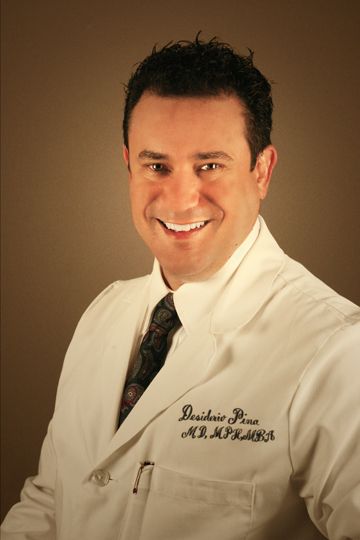
Dr. Desiderio P. is a double board-certified psychiatrist in General Psychiatry and Psychosomatic Medicine (Consultation-Liaison Psychiatry) with a diverse and accomplished career spanning clinical practice, healthcare leadership, medical education, research, and innovation. Originally from New York, Dr. Desiderio P.
Collaborates with Ohio nurse practitioners · also licensed in 6 other states

Dr. Ravi S. is a board-certified rheumatologist with advanced training from Yale University School of Medicine and extensive experience in managing complex autoimmune and inflammatory conditions. He brings a strong academic, clinical, and systems-based perspective to patient care, combining evidence-based medicine with practical expertise in telemedicine, utilization management, and multidisciplinary…
Collaborates with Ohio nurse practitioners · also licensed in 3 other states

Dr. Carolyn B. is a board-certified Internal Medicine physician with extensive experience in general internal medicine, geriatrics, and post-acute long-term care. She brings decades of clinical, academic, and executive leadership experience across hospital, post-acute, occupational health, and telehealth settings. Licensed in more than 30 states, Dr. Carolyn B.
Collaborates with Ohio nurse practitioners · also licensed in 21 other states

Dr. Qaiss M. is a board-certified Internal Medicine physician with more than 22 years of clinical experience providing comprehensive adult medical care in both hospital and outpatient settings. He completed his Internal Medicine residency at New York Methodist Hospital, affiliated with Weill Cornell Medicine, with additional clinical rotations at Memorial…
Collaborates with Ohio nurse practitioners · also licensed in 3 other states

Dr. James D. is a board-certified Internal Medicine physician and Fellow of the American College of Physicians (FACP) with broad experience across inpatient, outpatient, and telehealth settings. He currently practices as a hospitalist and nocturnist, including telehealth inpatient coverage, and previously served as Department Head of Internal Medicine and Chief…
Collaborates with Ohio nurse practitioners · also licensed in 3 other states

Dr. Daniel P. is a Board-Certified Psychiatrist offering evaluation and treatment of a broad range of mental conditions. He serves as Medical Director in his primary role at an interventional treatment center.
Collaborates with Ohio nurse practitioners · also licensed in 2 other states

Dr. Bette G. is an Internal Medicine provider with 10 years of hospitalist experience and a background in primary care. She is also a Certified Functional Medicine Provider and a Registered Dietitian.
Collaborates with Ohio nurse practitioners · also licensed in 4 other states
Dr. James H. is a board-certified Family Medicine physician with subspecialty board certifications in Addiction Medicine and Obesity Medicine and more than 30 years of healthcare experience. His clinical background includes emergency medicine, urgent care, primary care, addiction medicine, obesity medicine, and clinical leadership in outpatient and community-based settings.
Collaborates with Ohio nurse practitioners · also licensed in 13 other states

Board-Certified Emergency Physician | 25+ Years of Clinical Leadership | Supportive, Grounded, NP-Aligned About Dr. W. Scott M. is a board-certified emergency medicine physician with over 25 years of experience across high-acuity hospital systems, rural emergency departments, and academic training programs. Known for his calm, collaborative approach, Dr. M.
Collaborates with Ohio nurse practitioners · also licensed in 10 other states
Frequently Asked Questions
Do nurse practitioners need a collaborating physician in Ohio?
Yes. Ohio's APRN framework requires collaboration with a physician when a certified nurse practitioner, certified nurse-midwife, or clinical nurse specialist practices as an APRN. The governing law is Ohio Revised Code § 4723.431.
What is a standard care arrangement?
The standard care arrangement is the written framework that documents how the APRN and collaborating physician will practice together. Ohio's Board rules governing that arrangement appear in Ohio Administrative Code Chapter 4723-8. Current SCA standards are governed by Rule 4723-8-04 (effective March 26, 2026).
Who can serve as the collaborating physician in Ohio?
Ohio law ties the role to a physician or podiatrist who is licensed in Ohio, actively engaged in direct clinical practice in this state, and practicing in the same or a similar specialty. Exception: Psychiatric-mental health NPs and CNSs may collaborate with physicians in psychiatry, pediatrics, or primary/family practice. See Ohio Revised Code § 4723.431.
How many NPs can one Ohio collaborating physician take?
Ohio law sets a hard five-nurse prescribing cap. A physician or podiatrist cannot collaborate with more than five nurses simultaneously for the prescribing component of practice under Ohio Revised Code § 4723.431. Once reached, no additional NPs can be added for prescribing.
Can an Ohio NP practice by telehealth with a collaborating physician?
Yes, but telehealth still follows Ohio licensure and APRN practice standards. The Ohio Board of Nursing's APRN telehealth guidance explains how those standards apply when care is delivered remotely.
Does Ohio allow APRNs to prescribe controlled substances?
Yes, with important distinctions. Schedules III-V: Full independent prescribing within SCA scope. Schedule II: Strictly restricted — only for terminal patients where physician initially prescribed, 72-hour supply max, with location exceptions per ORC 4723.481. NPs cannot prescribe Schedule I, medical marijuana, or abortifacients. NPs must comply with OARRS, include ICD-10-CM codes, and observe 120 MED/day opioid limits. Federal DEA rules under 21 C.F.R. Part 1306 also apply.
What are the new laws for 2026 in Ohio?
Current SCA standards are governed by Ohio Administrative Code Rule 4723-8-04 (effective March 26, 2026). Senate Bill 196 expanded APRN signature authority for disability placards, POLST forms, and psychiatric admission/discharge documents. House Bill 508 (pending) proposes eliminating the SCA requirement for NPs with 5,000+ hours of clinical practice. For the current statutory and rule text, review Ohio Revised Code § 4723.431, Ohio Administrative Code Chapter 4723-8, and the Ohio Board of Nursing APRN page.
Disclaimer: This page summarizes NP Collaborator's interpretation of Ohio statutes, Board of Nursing rules, and DEA regulations governing nurse practitioner collaborative practice as of the date shown above. It is provided for informational purposes only and does not constitute legal, regulatory, or clinical advice. Laws and rules change — always verify current requirements directly with the Ohio Board of Nursing or a qualified healthcare attorney before making practice decisions.
Final Thoughts
Navigating nurse practitioner collaboration requirements in Ohio is manageable when you understand the framework and your rights. The state has created a pathway for experienced NPs to practice with meaningful autonomy while maintaining quality oversight through physician collaboration.
If you're struggling to find or maintain a collaborating physician relationship, or if you're starting fresh in Ohio, consider exploring modern solutions. Platforms like NPCollaborator.com have made matching simpler, agreements faster, and support more proactive. Your collaboration should enhance your practice, not constrain it.
The future of NP practice in Ohio is collaborative, flexible, and increasingly independent. Position yourself accordingly.
Sources & References
Ohio APRN framework — Ohio Revised Code § 4723.431 — Sets Ohio's statutory APRN framework, including the requirement for collaboration with a physician when practicing as an APRN.
Standard care arrangement / collaboration requirements — Ohio Administrative Code Chapter 4723-8 — Contains the Board's rules governing APRN collaboration, including the required standard care arrangement and related practice conditions.
Current SCA standards — Ohio Administrative Code Rule 4723-8-04 (effective March 26, 2026) — Governs current standards for Standard Care Arrangements.
Collaboration review and documentation — Ohio Administrative Code Chapter 4723-8 — Provides the regulatory requirements for physician/APRN collaboration processes, including review, communication, and documentation elements used in practice oversight.
APRNs and prescribing authority — Ohio Administrative Code Chapter 4723-9 — Governs APRN prescribing authority in Ohio, including the framework for prescriptive authority, controlled-substance-related requirements, and the exclusionary formulary.
Schedule II prescribing restrictions — Ohio Revised Code § 4723.481 — Strictly limits APRN Schedule II prescribing to terminal patients (physician-initiated, 72-hour supply max) with authorized location exceptions.
OARRS, ICD-10-CM, MED limits, and opioid prescribing standards — Ohio Administrative Code Rule 4723-9-10 — Mandatory OARRS compliance, ICD-10-CM coding, 120 MED/day opioid limits, and acute/chronic pain prescribing standards.
Telehealth practice guidance — Ohio Board of Nursing APRN guidance — Board guidance addressing APRN telehealth practice in Ohio.
APRN licensure and prescriptive pathways — Ohio Board of Nursing Advanced Practice Registered Nurses (APRN) — Describes Ohio's APRN licensing and certification pathways and the Board's APRN practice categories.
Ohio Board of Nursing — Official Board homepage.
Further Guidance
21 C.F.R. Part 1306 — Federal DEA prescription requirements for controlled substances.
American Association of Nurse Practitioners, State Practice Environment — National guidance on state-by-state APRN practice environments.
CMS, Medicare Benefit Policy Manual, Ch. 15 — Federal payment and documentation guidance relevant to NP services.
42 C.F.R. § 410.75 — Federal Medicare conditions for coverage of nurse practitioners' services.
Senate Bill 196 — Expanded APRN signature authority — Disability placards, POLST forms, psychiatric admission/discharge documents.
House Bill 508 — Proposed SCA elimination for experienced NPs — Would remove SCA requirement for NPs with 5,000+ hours (pending).
Related resources
NP Collaborative Agreement Template (Free Download)
Get a free 50+ page collaborative agreement template covering all 50 states. Includes sample language, filing requirements and NP-protective clauses.
Read moreGuidesBrowse All NP Resources
Guides, comparisons, templates and tools for nurse practitioners in one place.
Read moreComparisonsBest Collaborating Physician Platforms (2026)
Honest comparison of the top NP collaborating physician platforms. Transparent all-inclusive pricing starting at $424/mo.
Read moreToolsNP Collaboration Savings Calculator
Calculate how much you can save on collaboration fees. Compare costs and find the best rates in your state.
Read more