No. North Dakota is a full practice authority state per AANP. APRNs practice independently under N.D. Cent. Code Chapter 43-12.1 without requiring a collaborating physician agreement. APRNs seeking prescriptive authority must complete 30 hours of pharmacotherapy education and hold a DEA registration to prescribe controlled substances. When prescribing controlled substances, APRNs must utilize the North Dakota Prescription Drug Monitoring Program and document evaluations for new clients, every six months during ongoing treatment, and when suspicion of drug abuse exists. Many NPs voluntarily choose physician relationships for consultation or specialty support.
No. North Dakota is a full practice authority state per AANP. APRNs practice independently under N.D. Cent. Code Chapter 43-12.1 without requiring a collaborating physician agreement. APRNs seeking prescriptive authority must complete 30 hours of pharmacotherapy education and hold a DEA registration to prescribe controlled substances. When prescribing controlled substances, APRNs must utilize the North Dakota Prescription Drug Monitoring Program and document evaluations for new clients, every six months during ongoing treatment, when a client requests early refills or exhibits a pattern of overuse, and when suspicion of drug abuse exists. Many NPs voluntarily choose physician relationships for consultation or specialty support.
Quick Answer: North Dakota APRNs practice under N.D. Cent. Code Chapter 43-12.1 as a full practice authority state, meaning they practice independently without a required collaborating physician agreement. The key compliance areas are licensure, scope of practice, prescriptive authority, controlled-substance compliance, and documentation standards. APRNs seeking prescriptive authority must complete 30 contact hours of pharmacotherapy education and, if prescribing controlled substances, must obtain a DEA registration and comply with the North Dakota Prescription Drug Monitoring Program (PDMP). If you choose a collaborating physician voluntarily for consultation, specialty support, payer credentialing, or launch guidance, pricing benchmarks are national rather than North Dakota-specific.
The core regulatory sources are the North Dakota Nurse Practice Act (N.D. Cent. Code Chapter 43-12.1), the North Dakota Board of Nursing APRN rules (N.D. Admin. Code Chapter 54-05-03.1), and the North Dakota Board of Nursing APRN FAQs.
Practice authority environment, prescriptive compliance, DEA registration, and how to find the right physician support when it makes sense. Updated for 2026.
North Dakota does not make nurse practitioners hunt for a collaborating physician just to practice. It is one of the original full practice authority states. That means most NPs in North Dakota do not need a career-long collaborating physician agreement to evaluate patients, diagnose, manage treatment, or prescribe within their scope. There is no broad state mandate for permanent physician supervision of NPs.
But that freedom comes with its own compliance weight. The real challenge in North Dakota is not finding someone to sign paperwork. It is making sure your prescriptive authority, DEA registration, PDMP compliance, and practice scope are bulletproof — because when something goes wrong, the board does not accept "I thought full practice meant no rules" as a defense.
This guide breaks down the real North Dakota NP practice requirements in 2026, what full practice authority actually means on the ground, and how to stay compliant while building the practice you want.
Key Requirements at a Glance
Requirement | North Dakota Rule | Practical Notes |
|---|---|---|
Collaborative Agreement for General NP Practice | ❌ Not required | North Dakota is a full practice authority state. APRNs practice independently under their own licenses. |
North Dakota NP Full Practice Authority | ✅ Yes | APRNs may evaluate, diagnose, order tests, manage treatment, and prescribe independently. |
Career-Long Physician Supervision | ❌ No | No supervisory relationship is mandated by state law. |
Written Collaborative Agreement | ❌ Not required for routine NP practice | Some employers, payers, or specialty practice models may still request one as an operational document. |
Prescriptive Authority | ✅ Granted to APRNs meeting education requirements | APRNs must complete 30 contact hours of pharmacotherapy education within 3 years preceding application. |
Controlled Substance Prescribing | ✅ Requires DEA registration and PDMP compliance | APRNs must hold a DEA registration and utilize the North Dakota PDMP per regulatory requirements. |
Physician Ratio Cap | ❌ None | No ratios apply because no collaboration is mandated. |
Geographic Proximity Requirement | ❌ None | No distance limits apply to independent APRN practice. |
Telemedicine Practice | ✅ Permitted if licensure and prescribing rules are met | Telehealth does not change licensure or prescribing obligations. |
Find a Collaborating Physician in North Dakota
17 physicians currently available • Listed fees: $498–$699/mo
Updated November 2026
| Physician | Specialty | Fee/mo |
|---|---|---|
| Feras H, MD | Mental Health, Primary Care | $498 |
| Ryan G, MD Psychiatrist | Mental Health | $499 |
| Christopher M, MD | Mental Health, Primary Care | $499 |
| Stephen G, MD Psychiatrist | Mental Health | $499 |
| Jane S, MD | Primary Care | $499 |
The Cost of Getting This Wrong
Where North Dakota NPs Still Carry Compliance Risk
North Dakota's full practice authority model reduces dependence on a collaborating physician arrangement, but it does not reduce Board of Nursing or federal agency enforcement. The most common compliance failures North Dakota APRNs face are:
Prescribing controlled substances without active DEA registration or required PDMP evaluations and documentation
Operating outside their certified population focus or scope of practice
Inadequate documentation for telehealth or cross-border patient care
Launching a specialty practice without proper clinical infrastructure or referral pathways
Confusing "no supervision mandate" with "no need for clinical consultation ever"
Any one of these can trigger Board of Nursing action, DEA investigation, or malpractice exposure. In North Dakota, the APRN owns the decision and the liability.
Governing sources: N.D. Cent. Code Chapter 43-12.1, N.D. Admin. Code Chapter 54-05-03.1, and the DEA's prescription rules at 21 C.F.R. Part 1306.
How Full Practice Authority Works in North Dakota
Does a North Dakota APRN Need a Collaborating Physician?
North Dakota APRN practice is governed by the North Dakota Board of Nursing and the North Dakota Nurse Practice Act. For day-to-day operations, North Dakota APRNs should consult the Board's APRN licensing and practice materials, together with N.D. Admin. Code Chapter 54-05-03.1 and the North Dakota Board of Nursing APRN FAQs.
For routine NP practice, North Dakota generally does not require a career-long collaborating physician arrangement as a condition of everyday practice. Instead, APRN practice is governed through the state's full practice authority framework, Board rules, and prescriptive-authority requirements.
North Dakota repealed its collaborative practice requirement for APRNs effective October 1, 2011, granting full practice authority. That means the real operational question in North Dakota is usually not whether you can find a collaborating physician. It is whether your licensure, scope, documentation, and prescriptive workflow match the practice you are building.
Prescriptive Authority and Controlled Substances in North Dakota
Controlled Substances: What North Dakota APRNs Need in Place
To obtain prescriptive authority for dangerous drugs in North Dakota, APRNs must provide evidence of completing at least 30 contact hours of pharmacotherapy education within the three years preceding the prescriptive authority application. This is a mandatory gating requirement. Source: N.D. Admin. Code 54-05-03.1-09.
For license renewal, APRNs with prescriptive authority must complete 15 contact hours of pharmacotherapy-related continuing education within each two-year renewal cycle. Source: N.D. Admin. Code 54-05-03.1-11(4).
If your North Dakota practice includes controlled substances, you need both the state APRN authority recognized by the North Dakota Board of Nursing and a DEA registration in your own name.
Additionally, APRNs must utilize and document evaluations from the North Dakota Prescription Drug Monitoring Program (PDMP) in the following circumstances:
For new or unestablished clients
Every six months for ongoing controlled substance treatment
When a client requests early refills or exhibits a pattern of consuming more than the prescribed dosage
When there is suspicion of drug abuse or diversion
All evaluations must be documented in the patient's medical record. Source: N.D. Admin. Code 54-05-03.1-10.
Federal law adds a separate floor. Under 21 C.F.R. Part 1306, a controlled-substance prescription must be issued for a legitimate medical purpose by a practitioner acting in the usual course of professional practice, and the prescriber must hold a DEA registration in the prescriber's own name. State law narrows what is permitted from there; it never expands past the federal requirement.
This matters most in psychiatry, ADHD treatment, pain management, sleep medicine, weight management, hormone therapy, and telehealth prescribing, where documentation, diagnosis, and follow-up protocols are often the first place a file is reviewed.
APRNs are prohibited by N.D. Admin. Code 54-05-03.1-10(7) from prescribing controlled substances or addictive/dangerous drugs to themselves, their spouses, or their children.
Telemedicine and Cross-Border Practice
Telehealth and Remote Practice in North Dakota
North Dakota telehealth practice still starts with licensure and prescribing compliance. If you are treating a patient in North Dakota, your APRN authority must line up with North Dakota law and your actual scope of practice.
As a matter of common telehealth practice, location follows the patient. A visit conducted from one state to a patient sitting in another is practice in the patient's state, and both the licensure and the APRN authority rules are read from there.
For a high-level North Dakota practice-environment summary, see AANP North Dakota practice environment. Practical telehealth workflow guidance is also available from the American Medical Association Telehealth Quick Guide.
If your telehealth model includes controlled substances, read your state APRN rules (N.D. Admin. Code 54-05-03.1) together with the DEA prescribing rules in 21 C.F.R. Part 1306 and keep your PDMP documentation and follow-up protocols consistent across virtual and in-person visits.
When a Physician Relationship Still Makes Sense in North Dakota
When a Collaborating Physician Can Be Helpful (Voluntary Relationships)
Even without a legal mandate, many advanced practice registered nurses in North Dakota still choose to build a physician relationship for practical reasons:
Psychiatric and high-risk prescribing practices needing consultation backup
New independent practice owners wanting clinical confidence during launch
Medical aesthetics practices with employer or liability carrier preferences for physician oversight
Weight loss and hormone clinics managing complex prescribing protocols
Multi-state telehealth practices wanting standardized escalation pathways
Payer or facility credentialing that requests additional oversight documentation
Rural practices needing broader specialty access for complex patient cases
That is why searches like "find collaborating physician North Dakota" still happen. In North Dakota, the question is usually not "Who is legally required?" It is "Who can make my practice stronger?"
Building a Voluntary Physician Relationship
When you choose to engage a collaborating physician as a voluntary operational arrangement (not a legal requirement), your agreement should spell out how consultation, prescribing support, and physician review will work in your actual practice. Keep these points in mind:
Clinical areas covered: Identify which clinical areas the physician will cover and which fall outside the scope of the relationship.
When to seek input: Specify when the NP will seek physician consultation (e.g., complex cases, new patient populations, high-risk prescribing).
Chart review: If the agreement includes physician chart review, define what percentage or sample of charts will be reviewed and the documentation method. A common approach when no state frequency is mandated is a defined sample — such as 10% of charts monthly — because compliance reviewers expect a number they can measure against rather than an open-ended promise.
Meeting cadence: Set a recurring meeting schedule (e.g., monthly conferral) and maintain documentation of meetings, attendees, and topics discussed. Virtual meetings are generally acceptable.
Agreement maintenance: Identify who is responsible for maintaining signed versions of the agreement and related practice documents.
Documentation is critical: date every chart review, keep meeting notes, and retain each signed version of the protocol rather than overwriting it. This is a private business arrangement, not a regulatory mandate, so terms are negotiated between the NP and physician.
How to Find a Collaborating Physician in North Dakota
Start With Specialty Fit and Workflow Clarity
In North Dakota, the best collaborating physician is not simply the first licensed physician available; it is the physician whose practice background, communication style, and chart review process match the services you actually provide. Most NPs use one of three routes:
Employer-arranged relationship: Common in health systems and clinics where the organization controls the agreement structure. Simple but limited control over physician fit and engagement.
Private networking: Useful when you already know physicians in your specialty and can evaluate fit directly. Can work but is often slow and unpredictable.
Marketplace matching: Helpful when you want pricing transparency, specialty alignment, and a faster way to compare available collaborating physicians. Pre-vetted physicians, transparent pricing, faster matching.
Before signing any agreement, confirm:
Specialty relevance to your practice
Turnaround time for consultation requests
Comfort with your prescribing model
Chart review expectations (if included in the agreement)
Telehealth familiarity
Whether the agreement reflects your real services rather than a generic template
What to Look for in a Physician Relationship (Beyond the Credential Check)
Finding a Physician Who is a True Practice Partner
Licensure and availability are the floor, not the ceiling. The right physician relationship in North Dakota is built on clinical relevance and communication — with support around diagnoses, treatment plans, and escalation, not unnecessary control. Ask these questions before entering any agreement:
Do they have experience in my specialty? A physician who understands mental health prescribing is different from one who only knows primary care.
Are they available for real-time consultation when complex cases arise?
Do they respect APRN-led practice, or are they trying to impose unnecessary supervision?
How do they handle documentation and quality review?
Can they support telehealth workflows if that is part of my model?
Can they support complex diagnoses within my specialty when needed?
NPCollaborator's matching process is built around these questions — not just credential verification, but clinical and operational fit, because fit matters more than simply having a physician listed on paper, especially in specialty practices that need real-time input.
Find a Collaborating Physician in North Dakota
17 verified physicians ready to collaborate · Fees $498–$699/mo
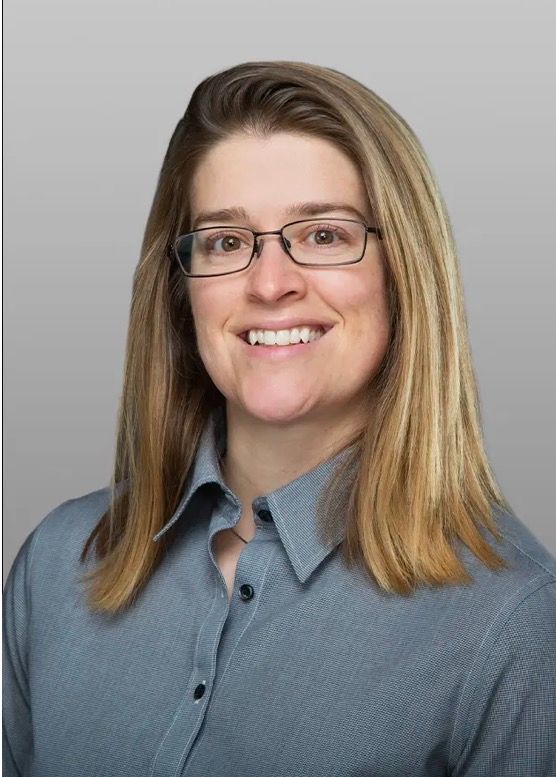
Dr. Ryan G. is a board-certified general psychiatrist with extensive experience practicing across a wide range of clinical and cultural settings. Her background includes work in inpatient psychiatry, emergency and consult-liaison psychiatry, outpatient psychiatry, and telepsychiatry, providing her with a comprehensive understanding of psychiatric care across the full continuum of…
Collaborates with North Dakota nurse practitioners · also licensed in 7 other states
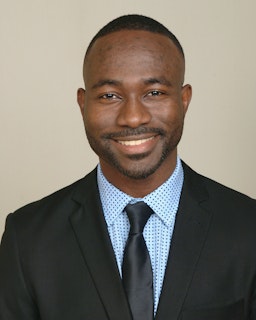
Dr. Ernest O. is a double board–certified psychiatrist based in Palo Alto, California, with advanced subspecialty expertise in psychopharmacology, psychosomatic (consultation-liaison) psychiatry, and integrative psychiatry. He completed fellowship training in Consultation-Liaison Psychiatry at Stanford Health Care following his psychiatry residency at St. John’s Episcopal Hospital.
Collaborates with North Dakota nurse practitioners · also licensed in 3 other states
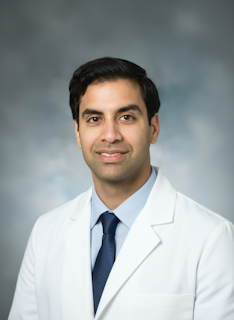
Board-Certified Family Medicine Physician | Multi-State Telemedicine & Urgent Care Leader Dr. Feras H is a dynamic, board-certified Family Medicine physician with extensive experience spanning urgent care, telemedicine, primary care, psychiatry, and weight management.
Collaborates with North Dakota nurse practitioners · also licensed in 18 other states
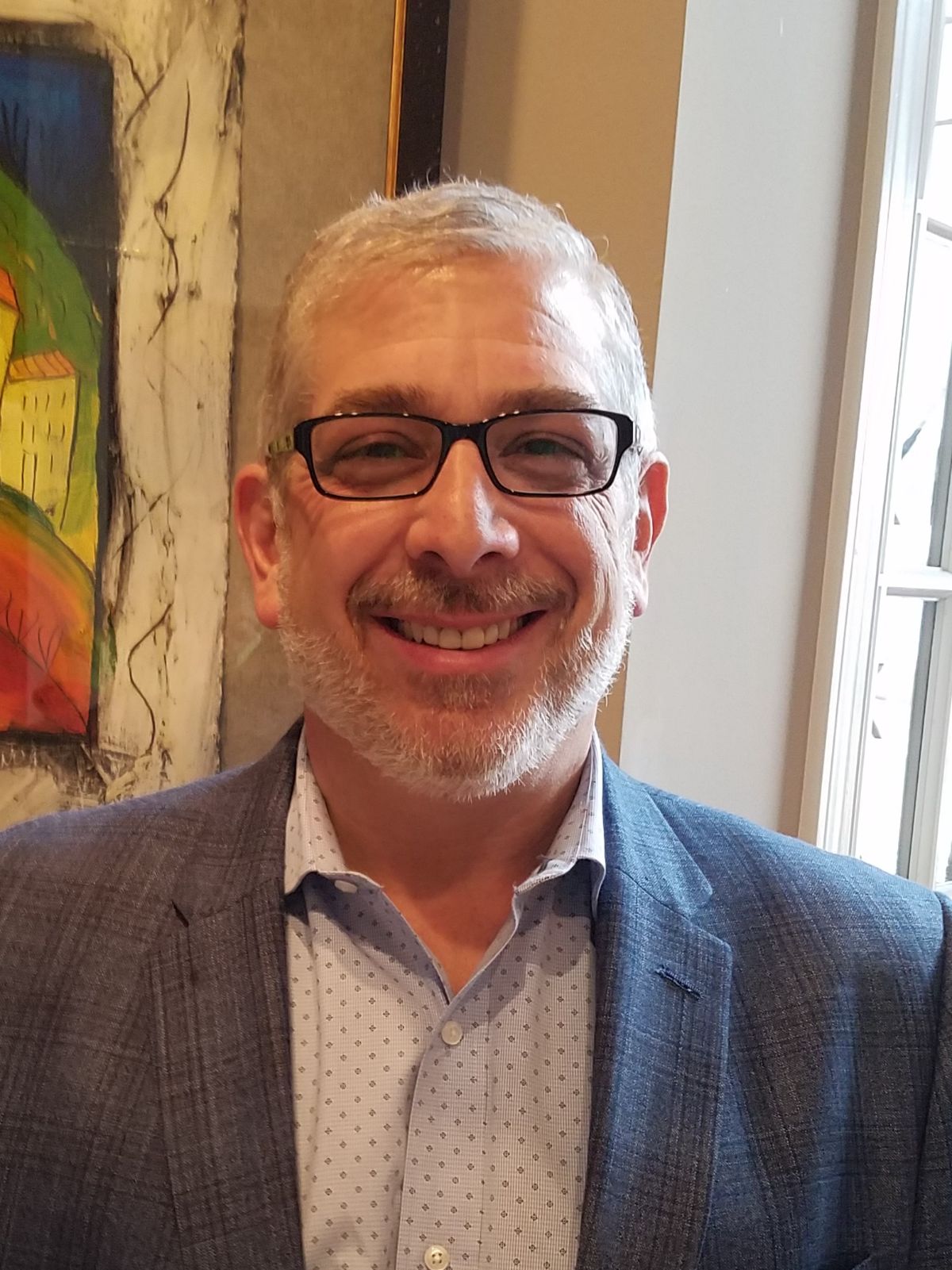
Dr. Stephen G. is a board-certified psychiatrist with added qualifications in Forensic Psychiatry and specialized training in Transcranial Magnetic Stimulation (TMS). With more than 25 years of clinical experience, he has provided comprehensive psychiatric care across a wide range of settings, including inpatient psychiatry, inpatient rehabilitation hospitals, emergency departments, consultation-liaison…
Collaborates with North Dakota nurse practitioners · also licensed in 7 other states

Dr. Russell is a board-certified physician in both Family Medicine and Obesity Medicine, with extensive experience in primary care and a focused expertise in obesity management. Since 2016, he has been practicing as an attending physician, delivering high-quality adult acute care, chronic disease management, and preventive services.
Collaborates with North Dakota nurse practitioners · also licensed in 14 other states
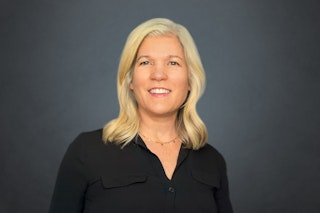
Dr. Jane S. is a board-certified Family Medicine physician with over 30 years of continuous outpatient clinical practice, primarily serving vulnerable and medically underserved populations. She is also board certified in Obesity Medicine and maintains multi-state licensure, allowing her to support care delivery across diverse geographic regions. Dr.
Collaborates with North Dakota nurse practitioners · also licensed in 34 other states
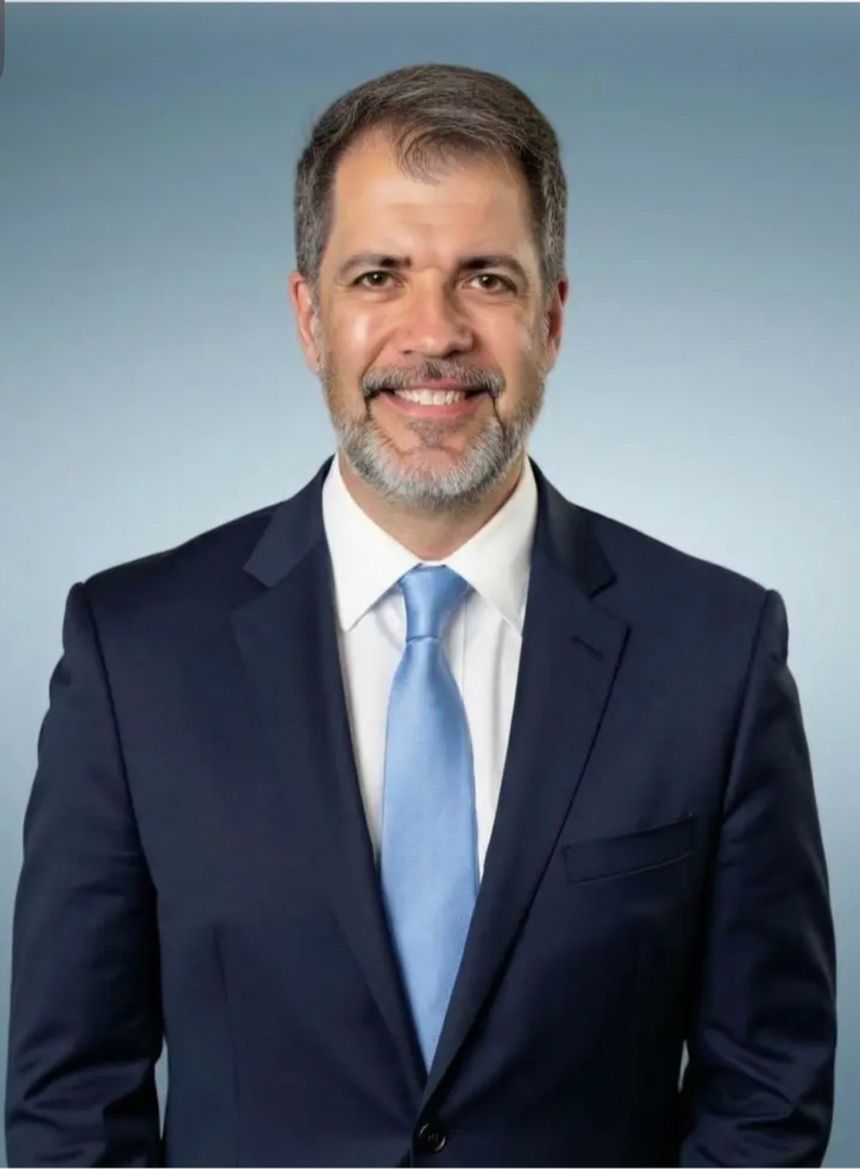
Family Medicine Physician | Telemedicine, Mental Health & Collaborative Care Dr. Christopher M. is a family medicine physician with more than 20 years of clinical experience across family practice, telemedicine, mental health, emergency medicine, urgent care, hospice, and collaborative care settings. Throughout his career, Dr.
Collaborates with North Dakota nurse practitioners · also licensed in 15 other states

Dr. Jerry C. is a highly experienced, multi-state licensed physician with nearly three decades of clinical expertise in emergency medicine, telemedicine, and integrative care. He is licensed in all 50 states and Washington, DC, and brings extensive regulatory knowledge and operational leadership to every collaboration.
Collaborates with North Dakota nurse practitioners · also licensed in 40 other states
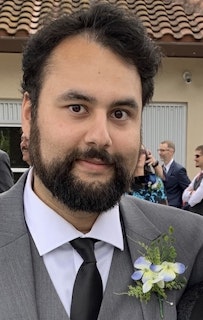
Dr. Fahad A. is a board-certified Family Medicine physician with over 11 years of clinical experience providing comprehensive care across a wide variety of healthcare settings, including primary care, urgent care, inpatient medicine, rehabilitation facilities, nursing homes, and telemedicine.
Collaborates with North Dakota nurse practitioners · also licensed in 30 other states

Board-Certified Family Medicine Physician | Functional & Integrative Medicine Specialist About Dr. Hollie G. Dr. Hollie G. is a board-certified family medicine physician with over 11 years of diverse clinical experience spanning primary care, post-acute care, functional medicine, women’s health, and aesthetics.
Collaborates with North Dakota nurse practitioners · also licensed in 22 other states
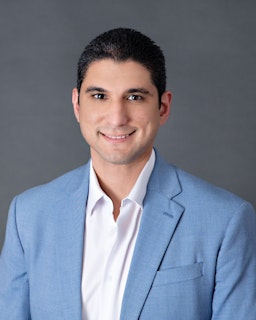
Dual Board-Certified in Internal Medicine & Obesity Medicine | Experienced Medical Director | Telehealth & Mental Health Expertise About Dr. Emill L. Dr. Emill L. is a dual board-certified physician in Internal Medicine and Obesity Medicine with over 15 years of experience across hospital medicine, telehealth, and outpatient care.
Collaborates with North Dakota nurse practitioners · also licensed in 39 other states
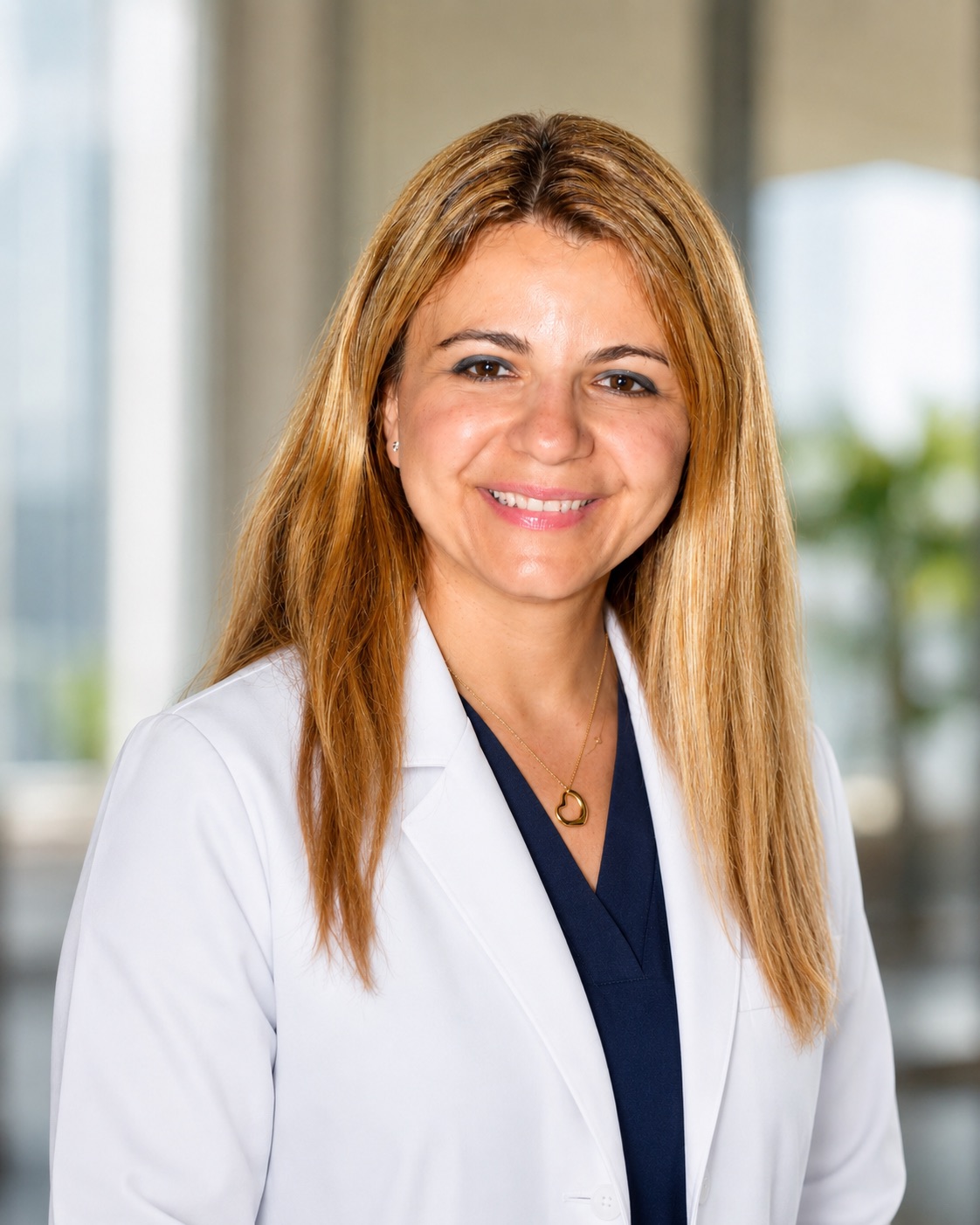
Dr. Dahlia C. is a Board-Certified Emergency Physician (ABEM) with more than 10 years of clinical experience. Since November 2023, she has served as Emergency Department Director at a hospital in New Jersey while also working ED shifts at other hospitals in New Jersey and New York.
Collaborates with North Dakota nurse practitioners · also licensed in 39 other states
Dr. Kenneth R. is a board-certified Emergency Medicine Physician with thirty years of clinical and leadership experience spanning emergency medicine, urgent care, telemedicine, and physician supervision. A graduate of Eastern Virginia Medical School, Dr. Kenneth R.
Collaborates with North Dakota nurse practitioners · also licensed in 37 other states
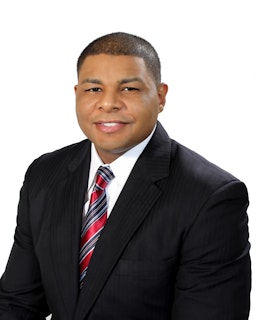
Dr. Daniel O. is an accomplished physician with more than 10 years of post-residency clinical experience, specializing in Addiction Medicine and Pediatrics while providing comprehensive care across a broad range of medical and wellness services.
Collaborates with North Dakota nurse practitioners · also licensed in 39 other states

Dr. Aneel U is an experienced psychiatrist and entrepreneur on a mission to make a meaningful difference in patient outcomes amidst a mental health crisis. He is at the forefront of innovation and cutting edge technology with a focus on improving access to care, and delivering high quality measurement based…
Collaborates with North Dakota nurse practitioners · also licensed in 15 other states

I am a board-certified Family and Addiction Medicine physician with over 15 years of experience spanning primary care, occupational health, aerospace medicine, and behavioral health. Licensed in all 50 states, I currently serve as Chief Medical Officer at Better U and CEO of Bespoke Concierge MD, where I design patient-centered…
Collaborates with North Dakota nurse practitioners · also licensed in 36 other states

Dr. Felicie W. is a highly experienced, triply board-certified physician in Internal Medicine, Geriatrics, and Hospice & Palliative Medicine, with extensive clinical, academic, and leadership experience across military, VA, hospital, and community-based healthcare systems.
Collaborates with North Dakota nurse practitioners · also licensed in 23 other states
Frequently Asked Questions
Do I need a collaborating physician to practice in North Dakota?
No. North Dakota is a full practice authority state per AANP. Most APRNs do not need a permanent collaborating physician agreement for routine practice. The controlling framework is N.D. Cent. Code Chapter 43-12.1 and N.D. Admin. Code Chapter 54-05-03.1.
What are the North Dakota APRN practice requirements in 2026?
Most APRNs can practice independently, including prescribing, if they hold active licensure, national certification, and comply with scope and controlled-substance rules. To obtain prescriptive authority, APRNs must complete 30 contact hours of pharmacotherapy education within three years prior to application. For renewal, 15 hours per two-year cycle are required.
Is a written collaborative agreement required in North Dakota?
Not for general APRN practice. Some employers, payers, or specialty practice models may still request one as an operational document.
Can North Dakota APRNs prescribe controlled substances?
Yes, with active DEA registration and compliance with all applicable federal and state laws. APRNs must also utilize the North Dakota Prescription Drug Monitoring Program (PDMP) and document evaluations for new clients, every six months during ongoing controlled substance treatment, when a client requests early refills or exhibits a pattern of overuse, and when suspicion of drug abuse exists.
Do I need a DEA number to prescribe in North Dakota?
You need a DEA registration only if you prescribe controlled substances. Non-controlled prescribing does not require DEA registration.
Can I practice telemedicine in North Dakota as an APRN?
Yes, if you hold an active North Dakota APRN license and follow all prescribing and telehealth regulations. Telehealth does not change licensure or prescribing obligations.
What happens if my physician support arrangement ends?
In North Dakota, you are not legally dependent on a physician relationship for practice authority. If a voluntary consultation arrangement ends, your independent practice continues. This is one of the advantages of full practice authority.
Does North Dakota have legislative changes expected in 2026?
North Dakota has maintained full practice authority since 2011. No major restrictions are expected in 2026, though APRNs should monitor Board of Nursing rule updates. This guide will be updated if significant changes occur.
Does my physician need to be in North Dakota?
If you are using a physician for consultation or support, they should understand North Dakota rules. There is no state residency requirement for informal consultation, but licensure and operational fit matter more than location.
Disclaimer: This page summarizes NP Collaborator's interpretation of North Dakota statutes, Board of Nursing rules, and DEA regulations governing nurse practitioner practice as of the date shown above. It is provided for informational purposes only and does not constitute legal, regulatory, or clinical advice. Laws and rules change — always verify current requirements directly with the North Dakota Board of Nursing or a qualified healthcare attorney before making practice decisions.
Sources & References
North Dakota Nurse Practice Act — N.D. Cent. Code Chapter 43-12.1 — Statutory framework for nursing practice, including APRN authority and related requirements.
North Dakota Board of Nursing APRN Licensing — Official Board entry point for APRN licensing, rules, and FAQs.
North Dakota Board of Nursing APRN FAQs — Board FAQ on APRN practice, prescriptive authority, and compliance.
APRN Practice and Prescriptive Authority Rules — N.D. Admin. Code Chapter 54-05-03.1 — Official APRN practice standards, prescriptive authority requirements, and PDMP compliance.
N.D. Admin. Code 54-05-03.1-09 — Prescriptive authority application and pharmacotherapy education requirements (30 hours initial).
N.D. Admin. Code 54-05-03.1-10 — Controlled substance prescribing, PDMP requirements, and monitoring obligations.
N.D. Admin. Code 54-05-03.1-11(4) — Renewal continuing education — 15 contact hours of pharmacotherapy per two-year renewal cycle.
North Dakota Board of Nursing (Official) — Board homepage and official licensing portal.
North Dakota Professional Peer Review — N.D. Cent. Code Chapter 23-34 — Professional peer review statute (applies if voluntary physician arrangements include chart review or quality assurance).
Further Guidance
21 C.F.R. Part 1306 — Federal DEA Prescription Requirements — Federal controlled-substance prescription rules.
42 C.F.R. § 410.75 — Medicare NP Services — Federal Medicare payment and collaboration rules for NP services.
42 C.F.R. § 491.8 — RHC/FQHC Physician Review — Federal physician review requirements relevant to rural health center and FQHC settings.
AANP North Dakota Practice Environment — AANP guidance on North Dakota NP practice authority.
AANP State Practice Environment Overview — National guidance on state-by-state NP practice differences.
National Council of State Boards of Nursing, APRN Practice Resources — National APRN collaboration and conferral guidance.
NCSBN Consensus Model for APRN Regulation — National APRN regulatory framework guidance.
American Medical Association Telehealth Quick Guide — Practical telehealth workflow guidance.
Related resources
NP Collaborative Agreement Template (Free Download)
Get a free 50+ page collaborative agreement template covering all 50 states. Includes sample language, filing requirements and NP-protective clauses.
Read moreGuidesBrowse All NP Resources
Guides, comparisons, templates and tools for nurse practitioners in one place.
Read moreComparisonsBest Collaborating Physician Platforms (2026)
Honest comparison of the top NP collaborating physician platforms. Transparent all-inclusive pricing starting at $424/mo.
Read moreToolsNP Collaboration Savings Calculator
Calculate how much you can save on collaboration fees. Compare costs and find the best rates in your state.
Read more