Yes. North Carolina requires a nurse practitioner to practice within a collaborative practice arrangement with a collaborating physician under N.C. Gen. Stat. § 90-18.2 and related Article 9A provisions, with additional practice guidance from the North Carolina Board of Nursing. The arrangement should define the NP's scope for drugs, devices, treatments, tests, and procedures. North Carolina's joint oversight rules include a documented quality-improvement process and chart review expectations through the Medical Board's collaborative-practice rules at 21 NCAC Chapter 32, Subchapter M.
North Carolina mandates all nurse practitioners maintain a collaborative practice agreement with a primary supervising physician—there is no experience-based exemption. The CPA must define scope, specify mandatory monthly QI meetings for six months then every six months thereafter, and ensure physician continuous availability. NPs prescribe within CPA parameters and must register with the North Carolina Controlled Substance Reporting System and DEA. NPs cannot prescribe for themselves, family, or intimate relationships.
Quick Answer: Yes. North Carolina requires a nurse practitioner to practice within a collaborative practice arrangement with a collaborating physician under N.C. Gen. Stat. § 90-18.2 and related Article 9A provisions, with additional practice guidance from the North Carolina Board of Nursing Nurse Practitioner page. The arrangement should define the NP's scope for drugs, devices, treatments, tests, and procedures, and North Carolina's joint oversight rules include a documented quality-improvement process and chart review expectations through the Medical Board's collaborative-practice rules at 21 NCAC Chapter 32, Subchapter M. Controlled-substance prescribing must stay within the collaborative arrangement and also meet federal DEA rules under 21 C.F.R. Part 1306. .
Nurse Practitioner Regulation in North Carolina
North Carolina maintains one of America's most structured approaches to nurse practitioner regulation. Unlike states granting broad autonomy to experienced practitioners or experience-based differentiation, North Carolina mandates physician collaboration for all NPs regardless of experience. The Collaborative Practice Agreement (CPA)—a detailed, legally binding document signed by both NP and supervising physician—forms the regulatory cornerstone.
Find a Collaborating Physician in North Carolina
64 physicians currently available • Listed fees: $449–$1,049/mo
Fair Price median: $549/mo [see data →] • Updated November 2026
| Physician | Specialty | Fee/mo |
|---|---|---|
| Carolyn B, MD | Primary Care, Tele | $449 |
| Shannon H, DO | Mental Health, Primary Care | $494 |
| Steven G, MD | Mental Health, Primary Care | $497 |
| Adeeb R, MD | Mental Health, Primary Care | $498 |
| Jose O, MD | Primary Care, Medical Weight Loss | $499 |
WHAT NORTH CAROLINA REQUIRES
Regulatory Requirement | North Carolina Standard |
|---|---|
Collaborative Practice Agreement (CPA) | Mandatory—required before any patient care or prescribing |
Supervising Physician Requirement | One primary supervising physician; physicians in graduate medical education (residents) prohibited; no legal ratio limit |
Geographic Limitation | None—physician need not be at same practice location |
Continuous Availability Mandate | Yes—physician and NP must be continuously accessible for consultation |
Quality Improvement Meetings | Mandatory—monthly for first 6 months; then minimum every 6 months thereafter |
Documentation of QI Process | Required—signed, dated meeting notes retained by both parties for 5 years |
Prescriptive Authority | Full authority (Schedules II-V) within CPA parameters |
Chart Review Mandate | Yes—ongoing quality improvement process required; mandatory meeting schedule set by regulation |
Governing Boards | North Carolina Board of Nursing + North Carolina Medical Board (Joint Subcommittee oversight) |
HOW NURSE PRACTITIONER PRACTICE WORKS IN NORTH CAROLINA
Does a North Carolina NP need a collaborating physician?
Yes. North Carolina law places NP practice inside a collaborative practice framework with a collaborating physician. The legal starting point is N.C. Gen. Stat. § 90-18.2 and related Article 9A provisions. In practice, the collaborative arrangement is the document that defines how the NP and collaborating physician work together. It should describe the NP's scope of practice, consultation process, and the quality-oversight workflow used in the practice.
PRESCRIPTIVE AUTHORITY AGREEMENT: WHAT MATTERS
What should the collaborative arrangement cover for prescribing?
The collaborative arrangement should clearly define the NP's authority for drugs, devices, medical treatments, tests, and procedures within the practice. For controlled substances, North Carolina authority still sits inside that collaborative-practice structure. Federal law adds a separate floor: 21 C.F.R. Part 1306 requires a prescription to be issued for a legitimate medical purpose by a practitioner acting in the usual course of professional practice, and it requires a DEA registration in the prescriber's own name.
COLLABORATING PHYSICIAN RULES AND LIMITATIONS
Primary Supervising Physician Requirements
The CPA names one primary supervising physician (doctor) with whom the NP maintains collaborative relationship per 21 NCAC 32M. The supervising physician must:
Hold an active, unencumbered license to practice medicine (MD or DO) in North Carolina
NOT be in a graduate medical education program (residents with training licenses are prohibited)
Remain continuously available for consultation and collaboration
Participate in the collaborative practice and quality-improvement processes outlined in the CPA under 21 NCAC 36 .0800 et seq.
Perform ongoing chart reviews to monitor quality of care and compliance with standards
Backup Supervising Physicians: The CPA must also identify one or more backup supervising physicians who can provide supervision when the primary physician is unavailable. Signed and dated backup physician agreements must be maintained at each practice site per 21 NCAC 32M.
"Continuously Available" Standard
"Continuously available" doesn't mandate physical proximity or in-person presence. A physician can supervise an NP while working at a distant location, provided communication mechanisms ensure accessibility. However, the continuous availability standard is substantial—the physician must be reachable during practice hours through direct communication (phone, secure messaging) or telecommunication.
No Statutory Ratio Limits
North Carolina law imposes no restrictions on the number of NPs a single physician can supervise. Theoretically, one physician could collaborate with dozens of NPs. Practically, such arrangements stretch continuous availability requirements to unrealistic extremes. Most sustainable relationships involve 1-3 NPs with the supervising physician actively engaged in collaborative oversight.
Geographic Flexibility
The supervising physician need not practice at the same location as the NP. NPs in small rural clinics frequently establish relationships with physicians at larger hospital systems or specialty centers. Remote supervision is legally permissible if communication and consultation mechanisms function reliably.
COMPLIANCE EXPECTATIONS YOU SHOULD NOT IGNORE
Collaborative Practice Agreement Validity
The CPA must be current, signed by both parties, readily accessible at each practice site, and demonstrating active use per 21 NCAC 32M. An outdated agreement gathering dust suggests non-engagement. The Board looks for evidence that the CPA functions as an active professional document, not merely a regulatory filing.
Quality Improvement Documentation
This represents perhaps the most audited compliance element. The Board examines whether required QI meetings occur on schedule (mandatory monthly for first 6 months, then every 6 months thereafter), whether meetings are documented with signed, dated notes retained for five years, and whether documentation reflects substantive clinical discussion versus perfunctory checkbox exercises.
Missing QI meeting documentation or documentation showing missed meetings triggers regulatory concern.
Chart Review Evidence
Documentation should demonstrate ongoing quality assurance. How frequently are charts reviewed? Are patterns analyzed? Are quality improvements identified and implemented? The North Carolina Medical Board doesn't mandate specific review percentages but expects evidence of meaningful quality engagement rather than superficial oversight.
Controlled Substance Compliance
NPs must:
Register with the North Carolina Controlled Substance Reporting System (CSRS) within 30 days of obtaining DEA registration
Comply with the Strengthen Opioid Misuse Prevention (STOP) Act, which requires physician consultation before prescribing Schedule II-III opioids under specific conditions (pain management facilities, therapy >30 days), with documentation in the patient record
Never prescribe controlled substances for: themselves, their supervising physician, immediate family members (spouse, parents, children, siblings, in-laws), anyone living in their residence, or anyone with whom they maintain an intimate or sexual relationship
Violating these prohibitions constitutes grounds for disciplinary action.
Continuing Education Requirements
North Carolina requires NPs to complete:
50 contact hours of continuing education every 2 years
At least 20 of those hours in the NP's population focus area, approved by an authorized certifying body (ANCC, ACCME, or similar)
At least 1 hour specifically on controlled substance prescribing practices, signs of abuse/misuse, and chronic pain management (for NPs with DEA registration)
Maintain documentation of all CE for at least 5 years; the North Carolina Board of Nursing conducts random audits.
TELEHEALTH AND REMOTE COLLABORATION
Telehealth in North Carolina
Telehealth does not remove North Carolina's collaborative-practice requirement. If an NP is practicing under North Carolina law, the NP still needs a collaborating physician within the state's collaborative framework. Remote collaboration is workable when the written arrangement explains how consultation, chart review, and follow-up communication will occur.
WHY NP COLLABORATOR IS A SMARTER CHOICE
The NPCollaborator platform addresses persistent inefficiencies in the traditional physician-NP matching process. Rather than months-long recruitment, credential verification, and negotiation cycles, NPCollaborator streamlines the entire process through technology-enabled matching.
Platform-Specific Advantages
Speed to Practice: Traditional recruitment requires networking, background checks, compensation negotiation, and CPA development. NPCollaborator compresses this timeline to 5-7 days. You complete a profile describing your specialty, patient population, and preferred collaboration model. The matching algorithm identifies physicians willing to supervise within your parameters.
Compliance-Ready Infrastructure: Platform-based supervision includes CPA templates aligned with North Carolina regulatory requirements, communication protocol frameworks, quality improvement meeting documentation systems, and compliance monitoring.
FINDING THE RIGHT COLLABORATING PHYSICIAN IN NORTH CAROLINA
Traditional Challenges
Many North Carolina physicians resist formal supervision relationships. In competitive urban markets with abundant providers, physicians don't perceive practice benefit from supervising NPs. Additionally, recruitment requires educating physicians about North Carolina's specific CPA requirements, quality improvement process standards, and documentation obligations per 21 NCAC 32M.
The more systemized physician groups have become, the smaller the potential pool of physicians available to nurse practitioners. Many large healthcare systems prohibit physicians from working with anyone outside of the system.
Modern Solutions
Technology-enabled platforms like NPCollaborator overcome traditional recruitment limitations through systematic matching.
PHYSICIAN FIT CHECKLIST
Before committing to supervision, systematically evaluate prospective supervising physicians:
Specialty Knowledge: Within your practice area, does the physician possess relevant expertise?
Quality Improvement Engagement: Are they willing to participate in meaningful QI meetings (monthly for first 6 months, then every 6 months) rather than treating them as checkbox exercises?
Chart Review Commitment: Will they review charts within reasonable timeframes?
Communication Accessibility: Can you reach them reliably during practice hours?
Regulatory Compliance Knowledge: Have they managed NP supervision before?
Respect for NP Judgment: Do they view NP clinical observations as valuable contributions?
Geographic Practicality: While not physically required, reasonable proximity facilitates in-person meetings
Professional Reliability: Will they consistently fulfill supervision obligations?
North Carolina Fair Price benchmark (2026)
From 50+ signed contractsSource: NP Collaborator Fair Price Report, Edition 1, 2026. Figures reflect real signed collaboration agreements, not survey estimates or vendor list prices.
See the full North Carolina collaborating physician cost breakdown →Find a Collaborating Physician in North Carolina
64 verified physicians ready to collaborate · Fees $449–$1,049/mo

Dr. Jerome E. is a board-certified internal medicine physician, educator, and medical writer with over two decades of experience in clinical practice and academic medicine. He currently serves as an Assistant Professor at Duke University School of Medicine, where he combines his passion for patient care with medical education and…
Collaborates with North Carolina nurse practitioners

Dr. Jose O. is a triple board-certified physician in Pulmonary, Critical Care, and Sleep Medicine with more than a decade of attending-level experience across academic, community, and tele-ICU settings. His diverse clinical background also includes hospitalist, nocturnist, and emergency medicine experience, giving him a broad perspective on both complex specialty…
Collaborates with North Carolina nurse practitioners · also licensed in 22 other states

Board-Certified Internal Medicine Physician | Telehealth & Mental Health Specialist | Top Collaborator on NP Collaborators! About Dr. James R. Dr. James R. is a board-certified internal medicine specialist with decades of experience spanning primary care, hospital medicine, and subacute care.
Collaborates with North Carolina nurse practitioners · also licensed in 12 other states
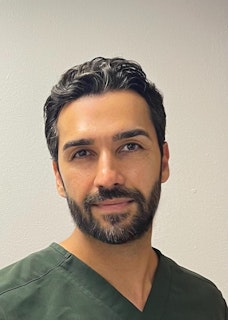
Dr. Daniel K. is a board-certified neurologist recognized by the American Board of Psychiatry and Neurology, holding multiple advanced certifications in vascular neurology, neurocritical care, and brain injury medicine. His training and clinical experience bridge neurology and psychiatry, enabling him to provide a comprehensive, mind–body approach to diagnosis and treatment.
Collaborates with North Carolina nurse practitioners · also licensed in 8 other states

Dr. Lance D. is a triple board-certified psychiatrist in General Psychiatry, Child and Adolescent Psychiatry, and Addiction Medicine, with over a decade of clinical experience across inpatient, outpatient, community, and military healthcare settings.
Collaborates with North Carolina nurse practitioners · also licensed in 22 other states
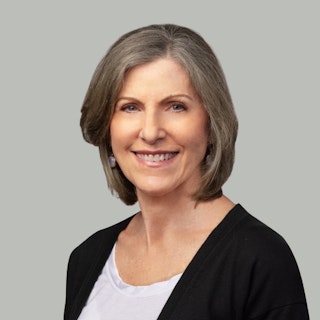
Board-Certified Psychiatrist | Medical Director | Adolescent & Adult Mental Health Expert | Experienced NP Collaborator About Dr. Lisa D. Dr. Lisa D. is a board-certified psychiatrist with over 30 years of experience delivering compassionate, comprehensive mental health care to children, adolescents, and adults.
Collaborates with North Carolina nurse practitioners · also licensed in 14 other states

Dr. Yokesh B. is a general psychiatrist with over 10 years of clinical experience in treating patients with a wide range of mental health conditions. His practice spans inpatient, outpatient, and telepsychiatry settings, where he has managed complex psychiatric presentations and delivered patient-centered care.
Collaborates with North Carolina nurse practitioners · also licensed in 4 other states
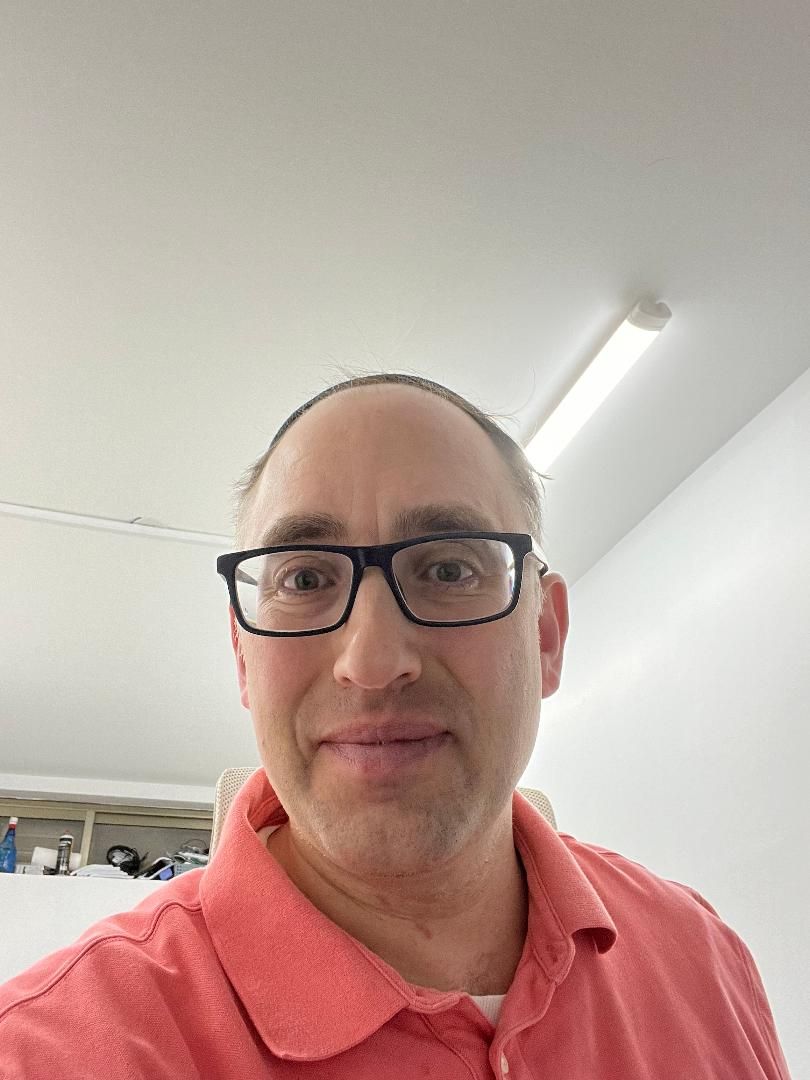
Dr. Tuvia B. is a board-certified psychiatrist with subspecialty board certification in Child and Adolescent Psychiatry. With more than 15 years of clinical experience, he provides comprehensive psychiatric care to children, adolescents, and adults across a variety of practice settings, including private practice, telepsychiatry, outpatient behavioral health, correctional psychiatry, and…
Collaborates with North Carolina nurse practitioners · also licensed in 29 other states

Practicing physician in hospital medicine. I have experience in telemedicine and have been collaborating for the past year. I have experience with primary care, IV infusions, aesthetics procedures including dermal fillers/botox.
Collaborates with North Carolina nurse practitioners · also licensed in 13 other states

Dr. Meenakshi P is a seasoned psychiatrist with over two decades of experience delivering psychiatric care across inpatient, outpatient, community, and telehealth settings. She has served as Medical Director at Colleton Medical Center in South Carolina and provided weekend inpatient coverage at Riverside Behavioral Health in Virginia.
Collaborates with North Carolina nurse practitioners · also licensed in 2 other states
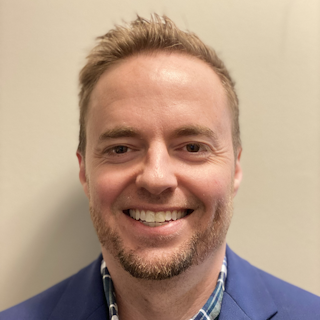
Dr. Andrew O. is an experienced psychiatrist with a strong background in collaborative care and physician leadership across diverse mental health settings. He has worked in inpatient, outpatient, and telepsychiatry environments and has held leadership roles that focus on expanding access to high-quality psychiatric services. Dr. Andrew O.
Collaborates with North Carolina nurse practitioners · also licensed in 3 other states
Board-Certified Emergency Medicine Physician & Experienced NP Collaborator Dr. Seth Di is a board-certified emergency medicine physician with over 20 years of experience in emergency and urgent care settings. He has a deep understanding of acute medical conditions, making him well-suited to assess and manage true emergencies in any private…
Collaborates with North Carolina nurse practitioners · also licensed in 20 other states

Dr. Luis F. is a board-certified psychiatrist with more than 14 years of post-residency clinical experience, offering comprehensive psychiatric collaboration services to nurse practitioners and healthcare teams across multiple states.
Collaborates with North Carolina nurse practitioners · also licensed in 5 other states

Dr. Jana C. is a board-certified psychiatrist with extensive training in psychiatry, internal medicine, and behavioral health. She is recognized for her commitment to patient-centered care, academic excellence, and mentorship of healthcare professionals. Dr. Jana C.
Collaborates with North Carolina nurse practitioners · also licensed in 12 other states
Dr. Desiderio P. is a double board-certified psychiatrist in General Psychiatry and Psychosomatic Medicine (Consultation-Liaison Psychiatry) with a diverse and accomplished career spanning clinical practice, healthcare leadership, medical education, research, and innovation. Originally from New York, Dr. Desiderio P.
Collaborates with North Carolina nurse practitioners · also licensed in 6 other states
Dr. Dalton B. is a Child, Adolescent, and Adult Psychiatrist with extensive experience across academic, civilian, and Department of War (DoW) healthcare systems. His clinical background combines psychiatric care, medical leadership, clinical education, and telepsychiatry, allowing him to support a diverse range of clinical settings and NP-led practices.
Collaborates with North Carolina nurse practitioners · also licensed in 15 other states

Dr. Carolyn B. is a board-certified Internal Medicine physician with extensive experience in general internal medicine, geriatrics, and post-acute long-term care. She brings decades of clinical, academic, and executive leadership experience across hospital, post-acute, occupational health, and telehealth settings. Licensed in more than 30 states, Dr. Carolyn B.
Collaborates with North Carolina nurse practitioners · also licensed in 21 other states

Dr. Shannon H. is a physician executive and board-certified Pediatrician with extensive experience across pediatric urgent care, pediatric emergency medicine, general pediatrics, and academic medicine. She brings a unique combination of clinical expertise and operational leadership, with a strong focus on scaling healthcare delivery.
Collaborates with North Carolina nurse practitioners · also licensed in 31 other states
Dr. Steven G. affectionately known as “Dr. Steve” by his patients and staff, is an experienced Emergency Medicine-trained physician with a diverse clinical background spanning emergency care, primary care, mental health, telemedicine, and specialty health services.
Collaborates with North Carolina nurse practitioners · also licensed in 34 other states

Dr. Adeeb R. is a board-certified Family Medicine physician and experienced Medical Director of multiple clinics with comprehensive clinical experience spanning primary care, mental health, urgent care, addiction-related care, holistic/functional medicine, hormone replacement/regenerative medicine, and chronic disease management.
Collaborates with North Carolina nurse practitioners · also licensed in 16 other states
FREQUENTLY ASKED QUESTIONS
Do NPs need a supervising physician in NC?
North Carolina law uses a collaborative practice framework for nurse practitioners, so yes: an NP in North Carolina needs a collaborating physician as part of practice under N.C. Gen. Stat. § 90-18.2.
Can controlled substances be prescribed within the collaborative arrangement?
Yes. NPs prescribe controlled substances (Schedules II-V) within CPA parameters and must comply with federal DEA rules (21 C.F.R. Part 1306). NPs must also register with the North Carolina Controlled Substance Reporting System (CSRS) and comply with the STOP Act for opioid prescribing under specific conditions.
Can the collaborating physician work remotely?
North Carolina's framework does not require the collaborating physician to sit in the same building for every patient encounter. What matters is that the collaborative arrangement explains how consultation, communication, and oversight will work in actual practice.
Can an out-of-state physician serve as my supervising physician?
No. The supervising physician must be licensed to practice medicine in North Carolina under N.C. Gen. Stat. § 90-18.2. Out-of-state physicians cannot legally serve this role.
What is the continuing education requirement for NC NPs?
North Carolina requires 50 contact hours of CE every 2 years, with at least 20 hours in your population focus area (approved by ANCC or ACCME). If you prescribe controlled substances, you must also complete at least 1 hour specifically on controlled substance prescribing, abuse/misuse, and chronic pain management.
FINAL THOUGHTS
In North Carolina, the collaborative practice arrangement is not optional—it's fundamental to legal NP practice. Focus on building a CPA that clearly defines your scope, establishes realistic quality improvement timelines (monthly for first 6 months, then every 6 months), ensures physician continuous availability, and demonstrates compliance through documentation. Success depends on finding a supervising physician who aligns clinically with your practice and is genuinely committed to the collaborative relationship.
Sources & References
N.C. Gen. Stat. § 90-18.2 and related Article 9A provisions — North Carolina statutory framework for advanced practice nursing, including the collaborative practice structure for nurse practitioners.
North Carolina Board of Nursing — Nurse Practitioner — Official Board NP practice page and entry point for practice guidance.
North Carolina Board of Nursing — APRN Nurse Practitioner — Official Board summary of NP licensure and practice requirements.
21 NCAC Chapter 32, Subchapter M (North Carolina Medical Board rules) — Administrative rules for physician collaboration with NPs, including oversight elements such as chart review.
North Carolina Medicaid — Collaborative Practice Agreements and NPs — State Medicaid resource discussing collaborative practice agreements in substance-use-treatment context.
North Carolina Board of Nursing — Administrative Code — Official Board landing page for administrative rules affecting NP practice.
North Carolina Board of Nursing — Board homepage.
Further guidance
21 C.F.R. Part 1306 — Federal DEA prescription requirements for controlled substances.
42 C.F.R. § 410.75 — Medicare conditions for coverage of NP services, including collaboration for Medicare payment purposes.
CMS, Medicare Benefit Policy Manual, Ch. 15 — Federal payment and documentation guidance relevant to NP services.
American Medical Association, Telehealth Quick Guide — Practical telehealth implementation guidance.
Disclaimer: This page summarizes NP Collaborator's interpretation of North Carolina statutes, Board of Nursing rules, and DEA regulations governing nurse practitioner collaborative practice as of the date shown above. It is provided for informational purposes only and does not constitute legal, regulatory, or clinical advice. Laws and rules change — always verify current requirements directly with the North Carolina Board of Nursing or a qualified healthcare attorney before making practice decisions.
Related resources
NP Collaborative Agreement Template (Free Download)
Get a free 50+ page collaborative agreement template covering all 50 states. Includes sample language, filing requirements and NP-protective clauses.
Read moreGuidesBrowse All NP Resources
Guides, comparisons, templates and tools for nurse practitioners in one place.
Read moreComparisonsBest Collaborating Physician Platforms (2026)
Honest comparison of the top NP collaborating physician platforms. Transparent all-inclusive pricing starting at $424/mo.
Read moreToolsNP Collaboration Savings Calculator
Calculate how much you can save on collaboration fees. Compare costs and find the best rates in your state.
Read more