New Jersey operates a dual-track APN system under Senate Bill 2996 (signed March 30, 2026). APNs with 5,000+ documented clinical hours in eligible primary care or behavioral health population focuses — family/individual across the lifespan, adult-gerontology primary care, pediatric primary care, women's health/gender-related, or psychiatric-mental health — may practice independently, though aesthetic/cosmetic services, general obstetrics, and anesthesia are excluded. All other APNs must maintain a joint protocol with a collaborating physician under N.J.A.C. 13:37-7 and 13:37-8.
New Jersey operates a dual-track APN system under Senate Bill 2996 (signed March 30, 2026). APNs with 5,000+ documented clinical hours in eligible primary care or behavioral health population focuses — family/individual across the lifespan, adult-gerontology primary care, pediatric primary care, women's health/gender-related, or psychiatric-mental health — may practice independently, though aesthetic/cosmetic services, general obstetrics, and anesthesia are excluded. All other APNs must maintain a joint protocol with a collaborating physician under N.J.A.C. 13:37-7 and 13:37-8.
New Jersey advanced practice nurses practice under the state APN framework in N.J.S.A. 45:11-45 et seq.; N.J.A.C. 13:37-7 and 13:37-8, which the New Jersey Board of Nursing uses to govern APN certification, prescriptive authority, and the collaborating physician relationship. If you prescribe or are setting up a joint protocol, the key operational questions are the scope covered by the protocol, how consultation will work, how chart review will be documented, and whether controlled-substance prescribing is addressed.
Key Requirements at a Glance
Topic | What to know in New Jersey | Source |
|---|---|---|
APN practice authority | New Jersey APN practice, certification, and prescriptive authority are governed through the Board of Nursing APN framework. Following S2996, a dual-track system exists: independent practice for APNs with 5,000+ hours in eligible focuses, and joint protocol for all others. | N.J.S.A. 45:11-45 et seq.; N.J.A.C. 13:37-7 and 13:37-8; Senate Bill 2996 (2026) |
Joint protocol and collaborating physician relationship | The APN rules are the primary state source for the collaborating physician relationship, prescriptive authority, and related practice requirements. Joint protocols remain required for APNs who do not meet the S2996 independent practice criteria. | |
Chart review and documentation | Use the APN practice rule as the starting point for practice conditions, collaborative elements, and documentation expectations. | |
Controlled substances | Controlled-substance prescribing sits inside APN prescriptive authority under New Jersey rules and also requires compliance with federal DEA prescribing rules and New Jersey CDS registration. | N.J.A.C. 13:37-7 and 13:37-8; N.J.S.A. 24:21-1 et seq.; federal DEA requirements |
Telehealth and remote collaboration | Telehealth starts with the same APN scope and collaboration framework. Any telehealth-specific obligations layer on top of that baseline. | |
Physician-to-NP ratio | The primary APN regulations do not establish a general physician-to-NP ratio for APN collaborative practice. | |
APN certification pathway | The Board of Nursing APN certification page is the official starting point for state eligibility and certification pathways. |
Find a Collaborating Physician in New Jersey
87 physicians currently available • Listed fees: $424–$1,049/mo
Fair Price median: $499/mo [see data →] • Updated November 2026
| Physician | Specialty | Fee/mo |
|---|---|---|
| Stanley M, MD | Mental Health, Primary Care | $424 |
| Gallane A, MD | Urgent Care, Medical Weight Loss | $449 |
| Colby U, MD | Mental Health, Primary Care | $449 |
| John G, DO | Mental Health, Primary Care | $474 |
| Shannon H, DO | Mental Health, Primary Care | $494 |
HOW NURSE PRACTITIONER PRACTICE WORKS IN NEW JERSEY
Does a New Jersey NP need a collaborating physician?
New Jersey now operates a dual-track system following Senate Bill 2996 (signed March 30, 2026):
Track 1 — Independent Practice (S2996 pathway): APNs who have accumulated 5,000 or more documented clinical hours in an eligible population focus may apply to practice independently without a collaborating physician. Eligible population focuses are:
Family/individual across the lifespan
Adult-gerontology primary care
Pediatric primary care
Women's health/gender-related
Psychiatric-mental health (behavioral health)
Independent-track APNs must also carry individual professional liability (malpractice) insurance and complete 14 hours of pharmacology continuing education, including controlled substance pharmacology and MATE Act training. The law excludes aesthetic and cosmetic services, general obstetrics, and anesthesia from independent practice authority.
Transition provisions: S2996 includes grace periods — a 12-month transition for APNs who can demonstrate they will accumulate 5,000 hours within 12 months of the law's effective date, and a 6-month general transition period for others.
Track 2 — Joint Protocol (traditional pathway): For APNs who have not reached the 5,000-hour threshold or who practice outside eligible population focuses, the traditional joint protocol framework applies. APN practice is governed by the Board of Nursing's APN framework in N.J.S.A. 45:11-45 et seq.; N.J.A.C. 13:37-7 and 13:37-8.
For nurse practitioners setting up prescriptive authority and day-to-day collaboration workflows, the practical document to focus on is the joint protocol and the collaborating physician relationship described in the APN rules. The most important setup questions are: what patient population and care setting the protocol covers, which medication categories it addresses, when consultation is expected, how chart review will be documented, and how both parties stay available for clinical communication.
The rule set that governs those details is Advanced practice nurse rules — N.J.A.C. 13:37-7 and 13:37-8.
Education and Training for Nurse Practitioners
Becoming a nurse practitioner in New Jersey requires a strong educational foundation and a commitment to ongoing professional development. Prospective NPs must complete a master's degree in nursing through an accredited NP program, which provides advanced coursework in pharmacology, pathophysiology, and health assessment. This graduate-level education is complemented by supervised clinical experiences in diverse healthcare settings, ensuring that nurse practitioners develop the practical skills and clinical judgment necessary for advanced practice.
After completing their degree, candidates must obtain advanced practice certification from a recognized certifying body, demonstrating their expertise and readiness to provide specialized care. The New Jersey Board of Nursing oversees the licensure process, requiring applicants to submit a verification form and an official transcript as proof of their education and training. This rigorous process ensures that only qualified individuals are granted the authority to practice as nurse practitioners in New Jersey.
PRESCRIPTIVE AUTHORITY AGREEMENT: WHAT MATTERS
What should a New Jersey joint protocol cover?
The joint protocol is the operating document for an APN who is working with a collaborating physician in New Jersey. The governing framework is Advanced practice nurse rules — N.J.A.C. 13:37-7 and 13:37-8, and the practical goal is to make the scope of the relationship clear enough that both clinicians can follow it consistently.
Patient population and setting: name the patients and care settings the APN will cover.
Medication categories: describe the classes of drugs the APN may prescribe within the protocol.
Controlled substances: state whether controlled-substance prescribing is included and what consultation triggers apply.
Consultation workflow: define when the APN should contact the collaborating physician and how that contact will occur.
Chart review process: state how chart review will be performed and documented.
Communication access: document how both parties remain available for clinical consultation.
As a matter of common practice, many teams re-review and re-sign the protocol annually so the document continues to match how care is actually being delivered.
Note: APNs who qualify for independent practice under S2996 are not required to maintain a joint protocol but may choose to establish optional collaborative relationships for clinical support.
CONTROLLED SUBSTANCE PRESCRIBING RULES IN NEW JERSEY
How controlled-substance prescribing works in New Jersey
Controlled-substance prescribing for New Jersey APNs runs on two layers at once. The state layer is the APN prescriptive-authority framework summarized by the New Jersey Board of Nursing in N.J.A.C. 13:37-7 and 13:37-8; N.J.S.A. 24:21-1 et seq.; federal DEA controlled substances requirements. The federal layer is the DEA prescription rule in 21 C.F.R. Part 1306.
Operationally, that means the joint protocol should say whether controlled-substance prescribing is included, which medication categories are in scope, and when the APN is expected to consult the collaborating physician.
In addition to federal DEA registration, New Jersey requires a separate state Controlled Dangerous Substances (CDS) registration through the Division of Consumer Affairs. An APN cannot prescribe controlled substances in New Jersey with only a DEA number — both registrations are required.
When a practice wants tighter internal guardrails for Schedule II-V prescribing, the cleanest approach is to name those consultation triggers directly in the joint protocol so both clinicians can follow the same standard every time.
For independent-track APNs under S2996, controlled substance prescribing authority is included within the independent practice scope, subject to the same dual-registration requirement (DEA + NJ CDS).
COLLABORATING PHYSICIAN RULES AND LIMITATIONS
Is there a physician-to-NP ratio in New Jersey?
The primary New Jersey APN regulations do not establish a general physician-to-NP ratio for APN collaborative practice. The governing source is N.J.A.C. 13:37-7 and 13:37-8.
Because the rules do not set a statewide numeric cap in that source, the practical question becomes whether the collaborating physician can support the consultation, protocol, and documentation workflow the practice has put in place.
Telehealth and remote collaboration in New Jersey
Telehealth does not replace the underlying APN practice framework. In New Jersey, telehealth is an additional modality layered on top of the existing APN scope, collaboration, and prescriptive-authority rules. If you're establishing or maintaining a collaborative relationship, the telehealth component should be addressed in the joint protocol to make the communication and consultation pathways clear.
COMPLIANCE ESSENTIALS FOR NEW JERSEY NURSE PRACTITIONERS
Staying compliant with New Jersey's nurse practitioner regulations requires attention to documentation, ongoing education, and organizational systems:
Joint protocol management: For APNs operating under joint protocols, ensure your agreement is current, comprehensive, and reviewed at minimum annually. Document every protocol review with dated signatures from both parties. Include patient population scope, medication categories, consultation triggers, chart review frequency, and communication methods.
Chart review documentation: Maintain systematic records of all chart reviews conducted. Whether reviews occur on-site or via secure electronic methods, create a paper trail showing review dates, cases discussed, and any clinical recommendations made by the collaborating physician.
Quality improvement documentation: For independent-track APNs, demonstrating engagement with outcomes analysis, patient satisfaction, and clinical quality metrics strengthens your compliance posture.
Continuing education proof: Continuing education is required for nurse practitioners in New Jersey to maintain their licenses and certifications. The New Jersey Division of Consumer Affairs requires Advanced Practice Nurses to renew their credentials every two years (biennially), and nurse practitioners must complete continuing education to renew their licenses. Maintain documentation of required CE hours. New Jersey CE requirements operate on three tiers:
All APNs: 30 contact hours of continuing education per biennial renewal period, including mandatory topics (1 hour in opioid prescribing, 2 hours in end-of-life care, and other board-specified subjects).
All APN prescribers: A one-time 6-hour Controlled Dangerous Substances (CDS) continuing education requirement, in addition to the standard 30-hour biennial CE.
Independent prescribers under S2996: An initial 14 hours of pharmacology education (comprising 6 hours of CDS CE plus 8 hours of MATE Act training) as a prerequisite for independent prescriptive authority, plus 10 hours of pharmacology per biennial renewal period.
It is essential to keep detailed records of all continuing education certificates for compliance, potential audits, and the renewal process. Deficient CE records result in license renewal delays or disciplinary action.
The joint protocol itself must be current, readily accessible at your practice site, and demonstrate active use through documented consultation patterns and protocol updates. An outdated joint protocol gathering dust in a file drawer signals non-compliance.
WHY NP COLLABORATOR IS A SMARTER CHOICE
The NPCollaborator.com platform transforms physician collaboration from an opaque, time-consuming process into a structured, transparent, and legally sound relationship. Here's what sets the platform apart:
Verified Physician Network: Every collaborating physician in the marketplace has been credentialed, licensed, and verified. You're not searching job boards, asking around at conferences, or cold-calling medical societies.
Rapid Matching: Need a collaborating physician quickly? The platform's matching algorithm identifies physicians based on your specialty, geographic needs, and practice setting — typically within days rather than weeks or months.
Built-in Documentation: Joint protocols, communication logs, chart review records, and compliance tracking are integrated into the platform. When audit time arrives, your documentation is organized and accessible.
Transparent Pricing: No negotiation games, no hidden fees. You know exactly what you're paying, and the collaboration is transparent. Should the relationship require evolution, the platform facilitates transition.
Specialization Matching: You're matched with physicians possessing relevant specialty knowledge, not generalists unfamiliar with your practice focus. This improves consultation quality and clinical outcomes.
Dispute Resolution: Should collaboration prove problematic, the platform facilitates resolution or helps you transition to another qualified physician. You're not trapped in unsustainable relationships.
Continuing Support: NPCollaborator maintains ongoing contact, monitors compliance requirements, and updates protocols as regulations evolve. You're not managing these complexities solo.
Compliance Framework: The platform includes documentation templates, communication protocols, and record-keeping systems built for regulatory compliance. Your joint protocol isn't a Word document — it's part of an integrated compliance system.
FINDING THE RIGHT COLLABORATING PHYSICIAN IN NEW JERSEY
For APNs requiring joint protocols, physician selection determines practice satisfaction and legal security. The traditional approach — networking through colleagues, attending professional meetings, contacting local medical societies — remains viable but inefficient.
Challenges NPs Face Traditionally: Many physicians decline collaboration entirely. Some believe APNs threaten their practices. Others carry bias about NP competence. Age-old professional turf wars persist despite evidence supporting NP care quality. Finding physicians willing to collaborate requires persistence and often involves compromises on specialty alignment, communication frequency, or work location.
PHYSICIAN FIT CHECKLIST
Before committing to any collaborative relationship, systematically evaluate the physician prospect:
Communication Compatibility: Can you reach them reliably? Do they respond to messages within reasonable timeframes? Will they engage in substantive clinical discussion or offer perfunctory consultation?
Availability During Business Hours: Even if in-person presence isn't required, are they accessible during your practice hours? A collaborating physician working opposite shifts creates practical barriers.
Specialty Alignment: Ideally, they practice within your specialty area. A cardiologist collaborating with a family medicine NP brings relevant knowledge. A radiologist does not.
Openness to NP Collaboration: Some physicians resent collaborative relationships. Listen for language — do they speak respectfully about NP competence, or do they hint at skepticism? Collaborative relationships require mutual respect.
Clinical Judgment Philosophy: Do your treatment approaches align? A physician favoring aggressive pharmacologic intervention may conflict with your conservative approach to chronic disease management.
Compliance Knowledge: Do they understand NP regulations, documentation requirements, and joint protocol standards? Some physicians have never reviewed a formal joint protocol; educating them consumes time.
Geographic Practicality: While not physically required, reasonable proximity facilitates occasional in-person meetings, informal consultation, and relationship building.
WHAT MATTERS BEYOND CREDENTIALS
Credentials — MD, DO, board certification — establish baseline qualifications. But successful collaboration depends on intangible factors.
Reliability emerges as paramount. A physician who responsibly reviews your charts, provides thoughtful consultation when requested, and maintains consistent engagement builds practice confidence. Unreliability — missed meetings, unanswered consultation requests, inattentive chart review — undermines the collaborative relationship and invites regulatory scrutiny.
Long-term commitment matters fundamentally. Physician turnover destabilizes your practice. If your collaborator leaves for a practice opportunity, retires, or becomes unavailable, your practice faces disruption. Seek physicians genuinely committed to ongoing collaboration, not viewing it as a temporary side arrangement.
Risk awareness reflects professional maturity. Does your collaborator understand that collaborative relationships expose both parties to liability claims? Do they maintain malpractice insurance? Have they thought through dispute resolution should disagreements arise about care approaches?
Professional network integration strengthens practice. Collaborators with strong institutional connections, referral relationships, and community standing enhance your practice's credibility and clinical capabilities. A physician practicing in isolation offers fewer advantages than one embedded in a network.
New Jersey Fair Price benchmark (2026)
From 50+ signed contractsSource: NP Collaborator Fair Price Report, Edition 1, 2026. Figures reflect real signed collaboration agreements, not survey estimates or vendor list prices.
See the full New Jersey collaborating physician cost breakdown →Find a Collaborating Physician in New Jersey
87 verified physicians ready to collaborate · Fees $424–$1,049/mo

Dr. John G. is a board-certified Family Medicine physician with over 35 years of clinical experience providing comprehensive, patient-centered care across a wide range of medical settings. As a long-standing private practice owner, he has developed deep expertise in managing both acute and chronic conditions while delivering continuous, longitudinal care…
Collaborates with New Jersey nurse practitioners · also licensed in 1 other state

Dr. Shannon H. is a physician executive and board-certified Pediatrician with extensive experience across pediatric urgent care, pediatric emergency medicine, general pediatrics, and academic medicine. She brings a unique combination of clinical expertise and operational leadership, with a strong focus on scaling healthcare delivery.
Collaborates with New Jersey nurse practitioners · also licensed in 31 other states
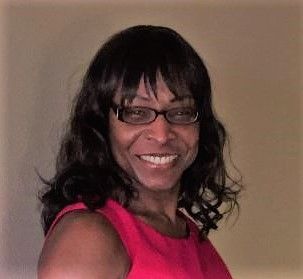
Dr. Hazel N. is an experienced Internal Medicine physician with a diverse clinical background spanning inpatient and outpatient care, hospital medicine, private practice, and ambulatory clinics. Throughout her career, she has provided comprehensive, patient-centered medical care while focusing on the prevention and management of chronic diseases and improving long-term health…
Collaborates with New Jersey nurse practitioners · also licensed in 1 other state

Dr. Yasmin P. is a U.S. board-certified Family Medicine physician with advanced fellowship training in Dermatology and Aesthetic Medicine. With a strong foundation in comprehensive primary care and specialized expertise in skin health and cosmetic procedures, Dr.
Collaborates with New Jersey nurse practitioners · also licensed in 1 other state

Dr. Jaime M. is a board-certified Emergency Medicine physician with more than 17 years of clinical experience across high-acuity emergency departments, outpatient specialty services, and modern telehealth platforms. His background spans traditional emergency care as well as innovative, patient-centered treatment models, making him a versatile and highly adaptive clinician.
Collaborates with New Jersey nurse practitioners · also licensed in 2 other states

Dr. Sampson D. is a board-certified Emergency Medicine physician and Fellow of the American College of Emergency Physicians with extensive experience in emergency care, urgent care, substance abuse, and eating disorder facilities.
Collaborates with New Jersey nurse practitioners · also licensed in 7 other states

Dr. Joseph B. is a board-eligible psychiatrist and state-licensed physician in New Jersey, New York, and Pennsylvania. He earned his Bachelor of Science in Psychology from Lafayette College and his Doctor of Medicine degree from St. George’s University School of Medicine.
Collaborates with New Jersey nurse practitioners · also licensed in 1 other state

Dr. Swara A. is a board-certified Internal Medicine physician with over a decade of clinical experience spanning hospital medicine, telemedicine, subacute rehabilitation, and mobile concierge care. She specializes in metabolic health, hormonal optimization, and regenerative longevity, integrating traditional internal medicine with advanced functional and preventive strategies. Dr. Swara A.
Collaborates with New Jersey nurse practitioners · also licensed in 11 other states
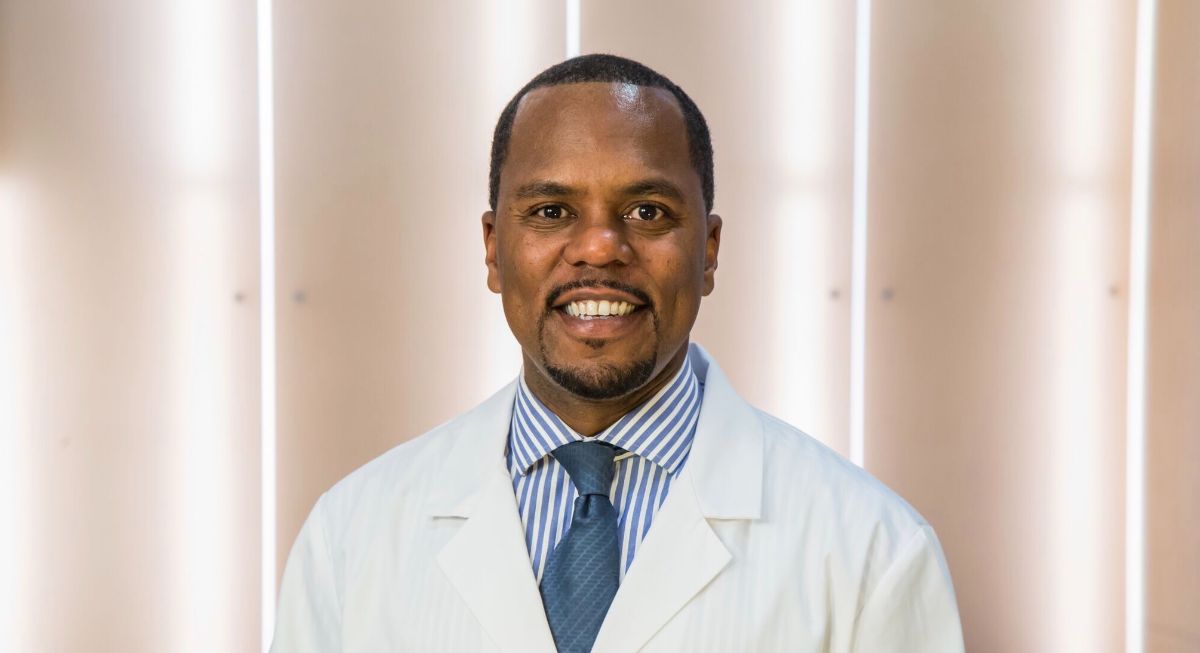
Dr. Rameck H. is a dual board-certified Internal Medicine physician and Obesity Medicine specialist with more than two decades of clinical and healthcare leadership experience. He earned his medical degree from Rutgers Robert Wood Johnson Medical School and completed his Internal Medicine residency at the same institution, building a strong…
Collaborates with New Jersey nurse practitioners · also licensed in 9 other states

Dr. Tameem M. is a physician with experience in primary care, medical aesthetics, and addiction medicine. Throughout his career, he has worked closely with Nurse Practitioners and Physician Assistants, building strong professional relationships based on communication, mutual respect, and teamwork. Dr. Tameem M.
Collaborates with New Jersey nurse practitioners · also licensed in 3 other states

Dr. David W. is a psychiatrist board-certified in both Psychiatry and Addiction Psychiatry, bringing more than 30 years of professional experience across a variety of clinical settings. His extensive background in psychiatry and addiction care has provided him with broad experience in managing patients with complex behavioral health and substance…
Collaborates with New Jersey nurse practitioners · also licensed in 2 other states

Dr. Neil S. is a board-certified Family Medicine and Sports Medicine physician with a diverse clinical background spanning primary care, sports medicine, functional medicine, lifestyle medicine, longevity medicine, wellness, and procedural medicine.
Collaborates with New Jersey nurse practitioners · also licensed in 3 other states

As a board-certified psychiatrist with over a decade of clinical experience across outpatient, inpatient, and consult-liaison settings, I value a collaborative, practical approach to mental health care. I believe strong supervision is built on mutual respect, open communication, and shared problem-solving—not hierarchy.
Collaborates with New Jersey nurse practitioners · also licensed in 1 other state

Dr. Krishan C. is a double board-certified psychiatrist specializing in both Adult and Child & Adolescent Psychiatry with clinical practice experience that spans outpatient, telehealth, and integrated behavioral health settings.
Collaborates with New Jersey nurse practitioners · also licensed in 5 other states
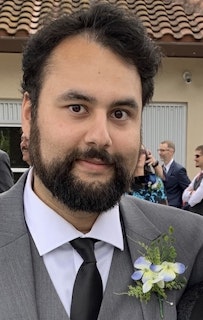
Dr. Fahad A. is a board-certified Family Medicine physician with over 11 years of clinical experience providing comprehensive care across a wide variety of healthcare settings, including primary care, urgent care, inpatient medicine, rehabilitation facilities, nursing homes, and telemedicine.
Collaborates with New Jersey nurse practitioners · also licensed in 30 other states

Board-Certified Internal Medicine Physician | Telehealth & Mental Health Specialist | Top Collaborator on NP Collaborators! About Dr. James R. Dr. James R. is a board-certified internal medicine specialist with decades of experience spanning primary care, hospital medicine, and subacute care.
Collaborates with New Jersey nurse practitioners · also licensed in 12 other states
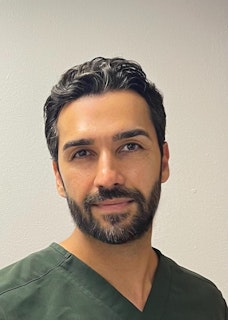
Dr. Daniel K. is a board-certified neurologist recognized by the American Board of Psychiatry and Neurology, holding multiple advanced certifications in vascular neurology, neurocritical care, and brain injury medicine. His training and clinical experience bridge neurology and psychiatry, enabling him to provide a comprehensive, mind–body approach to diagnosis and treatment.
Collaborates with New Jersey nurse practitioners · also licensed in 8 other states

Dr. Lance D. is a triple board-certified psychiatrist in General Psychiatry, Child and Adolescent Psychiatry, and Addiction Medicine, with over a decade of clinical experience across inpatient, outpatient, community, and military healthcare settings.
Collaborates with New Jersey nurse practitioners · also licensed in 22 other states
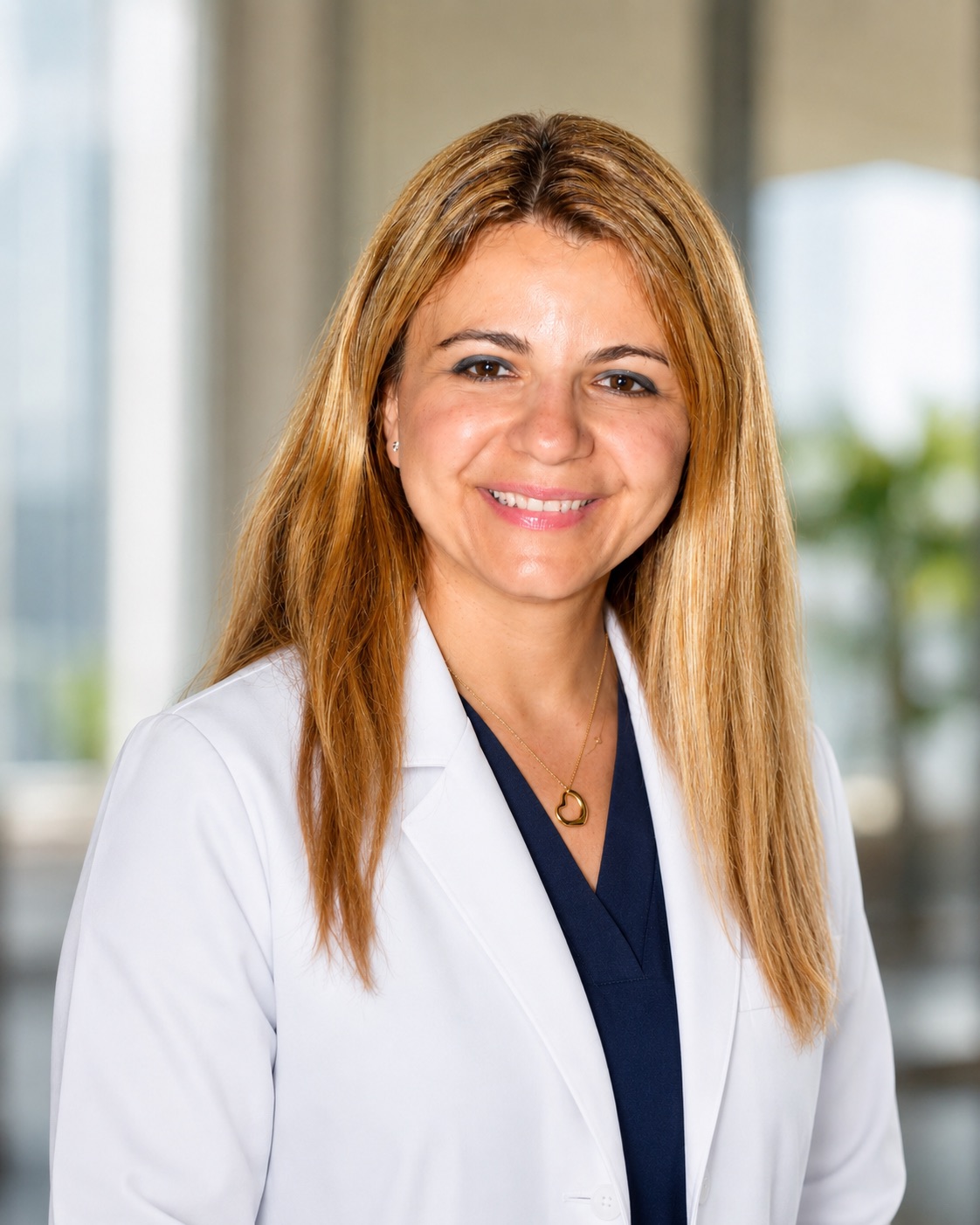
Dr. Dahlia C. is a Board-Certified Emergency Physician (ABEM) with more than 10 years of clinical experience. Since November 2023, she has served as Emergency Department Director at a hospital in New Jersey while also working ED shifts at other hospitals in New Jersey and New York.
Collaborates with New Jersey nurse practitioners · also licensed in 39 other states
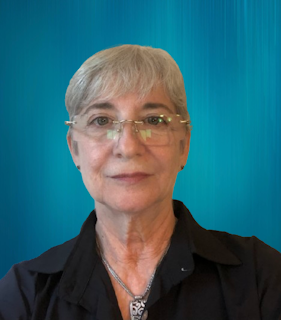
Board-Certified Internist | Aesthetics & Wellness Expert | Experienced NP Collaborator About Dr. Laurene D. Dr. Laurene D. is a highly experienced physician with a background in Internal Medicine, Pulmonary, and Critical Care.
Collaborates with New Jersey nurse practitioners
FREQUENTLY ASKED QUESTIONS
Q: I have 4,500 clinical hours and will reach 5,000 within six months. Can I practice independently now?
A: No. The 5,000-hour threshold is requirement-based, not projective. Once you accumulate 5,000 documented hours, you can apply for independent practice status. Until then, you require a joint protocol if prescribing medications. Note: S2996 does include transition provisions — a 12-month grace period for APNs who can demonstrate they will reach 5,000 hours within 12 months of the law's effective date.
Q: Does the 5,000-hour threshold apply to experience in other states?
A: Yes. Hours accumulated as a licensed NP in any state count toward the 5,000-hour requirement. You don't need to accumulate all hours exclusively in New Jersey.
Q: My joint protocol specifies physician consultation before prescribing any Schedule II opioid. Can I override this if the patient meets medical criteria?
A: No. The joint protocol is a binding legal agreement. Violating its terms constitutes professional misconduct. If you believe the protocol's restrictions are clinically inappropriate, formally propose protocol amendment through written documentation with your collaborating physician's signature.
Q: Can a nurse practitioner serve as my collaborating physician?
A: No. Joint protocol requirements specify "collaborating physician" — an MD or DO licensed in New Jersey. Nurse practitioners cannot serve this role, though this remains an area of legislative discussion.
Q: What happens if my collaborating physician relocates out of state?
A: The collaborative relationship terminates. You must either secure a new collaborating physician before resuming prescriptive authority or, if eligible, transition to independent practice status. You cannot practice prescriptively without active collaboration if not meeting the 5,000-hour independent practice threshold.
Q: How frequently should chart review meetings occur under joint protocol?
A: Statute doesn't mandate a specific frequency. Many practices adopt quarterly review as a baseline, with monthly meetings during the relationship's initial establishment. Document these meetings with dated signatures from both parties.
Q: Can I practice in both New Jersey and Pennsylvania under the same joint protocol?
A: No. The joint protocol is jurisdiction-specific. Practicing in Pennsylvania requires separate regulatory compliance. You cannot rely on New Jersey's joint protocol for Pennsylvania practice authority.
Disclaimer: This page summarizes NP Collaborator's interpretation of New Jersey statutes, Board of Nursing rules, and DEA regulations governing nurse practitioner collaborative practice as of the date shown above. It is provided for informational purposes only and does not constitute legal, regulatory, or clinical advice. Laws and rules change — always verify current requirements directly with the New Jersey Board of Nursing or a qualified healthcare attorney before making practice decisions.
FINAL THOUGHTS
New Jersey's 2026 regulatory evolution represents meaningful professional advancement for qualified nurse practitioners. The state's bifurcated system — independent practice for experienced primary care and behavioral health APNs; joint protocol for others — reflects realistic recognition that clinical mastery, not administrative oversight, should determine autonomy.
Whether you're pursuing independent practice status or establishing effective collaborative relationships, success depends on understanding regulatory requirements, maintaining meticulous compliance, and building sustainable professional relationships.
Sources & References
APN certification / scope overview — N.J.S.A. 45:11-45 et seq.; N.J.A.C. 13:37-7 and 13:37-8
Advanced practice nurse rules — N.J.A.C. 13:37-7 and 13:37-8
Practice requirements for APNs — N.J.A.C. 13:37-8.1
Controlled substance prescribing — N.J.A.C. 13:37-7 and 13:37-8; federal DEA requirements
State APN practice context — New Jersey Board of Nursing
No statutory NP ratio in primary APN rules — N.J.A.C. 13:37-7 and 13:37-8
APN certification pathways — N.J.S.A. 45:11-45 et seq.; N.J.A.C. 13:37-7
Further guidance
21 C.F.R. Part 1306 — Federal DEA prescription requirements
42 C.F.R. § 410.75 — Medicare NP coverage conditions
42 C.F.R. § 491.8 — Federal staffing/review rule for RHCs and FQHCs
Related resources
NP Collaborative Agreement Template (Free Download)
Get a free 50+ page collaborative agreement template covering all 50 states. Includes sample language, filing requirements and NP-protective clauses.
Read moreGuidesBrowse All NP Resources
Guides, comparisons, templates and tools for nurse practitioners in one place.
Read moreComparisonsBest Collaborating Physician Platforms (2026)
Honest comparison of the top NP collaborating physician platforms. Transparent all-inclusive pricing starting at $424/mo.
Read moreToolsNP Collaboration Savings Calculator
Calculate how much you can save on collaboration fees. Compare costs and find the best rates in your state.
Read more