Nebraska requires nurse practitioners to complete 2,000 hours of supervised practice under a formal written transition-to-practice agreement with a qualifying supervising provider — a licensed Nebraska physician, osteopathic physician, or experienced NP in the same specialty. After completing the transition, NPs gain full independent practice and prescriptive authority including Schedules II–V with federal DEA registration. LB731 mandates 3 hours of opiate prescribing CE per renewal, including 0.5 hours on the Nebraska PDMP. NPs licensed on or before August 30, 2015 with prior supervised experience are exempt. No geographic restrictions apply.
Nebraska is generally treated as a transition-based practice authority state for nurse practitioners, so a formal written transition-to-practice agreement with a qualified supervising provider is required during your initial 2,000 hours. You need a qualified collaborating physician or other qualifying collaborating provider and a written agreement that documents the relationship. After transition, your ongoing practice and prescribing authority still must stay within Nebraska law and applicable federal rules.
At a Glance: Nebraska NP Transition-to-Practice Rules (2026)
Rule Category | Nebraska Requirement |
|---|---|
Practice Authority | Transition-to-practice for first 2,000 hours; full independence after |
CPA Required | Yes during transition; not after |
Board Filing | Transition-to-practice agreement must be formal and written |
Prescriptive Authority | Full and independent — after transition completion |
Controlled Substances (II–V) | Permitted — DEA registration required |
State CS Registration | None — DEA is the primary credential |
Opioid CE (LB731) | 3 hours per renewal cycle including 0.5 hours on Nebraska PDMP |
Federal Opioid Training | One-time 8-hour training required for all DEA registrants |
Legacy Practitioners | NPs licensed ≤ August 30, 2015 with 2,000 hours under physician supervision exempt |
Supervising Provider | Licensed Nebraska physician, osteopathic physician, or qualified NP in same specialty |
Ratio Caps | None |
Geographic Restrictions | None |
Telemedicine | Permitted — standard telehealth and Ryan Haight rules apply |
Find a Collaborating Physician in Nebraska
25 physicians currently available • Listed fees: $424–$1,049/mo
Updated November 2026
| Physician | Specialty | Fee/mo |
|---|---|---|
| Stanley M, MD | Mental Health, Primary Care | $424 |
| Colby U, MD | Mental Health, Primary Care | $449 |
| Shannon H, DO | Mental Health, Primary Care | $494 |
| Steven G, MD | Mental Health, Primary Care | $497 |
| Adeeb R, MD | Mental Health, Primary Care | $498 |
The Cost of Getting This Wrong
Nebraska's transition-to-practice requirement and its mandatory opioid CE create specific compliance risks distinct from purely full practice states. These are the highest-stakes failure points.
Practicing independently before completing 2,000 hours
Nebraska's Nurse Practitioner Practice Act requires a formal, written transition-to-practice agreement covering 2,000 hours with a qualifying supervising provider before independent practice is authorized. NPs who begin independent practice — including independent prescribing — before reaching that threshold are in unauthorized practice. Nebraska DHHS enforces this through the Nursing Licensure Unit.
Selecting an unqualified supervising provider
Nebraska specifies that the supervising provider must be licensed and practicing in Nebraska in the same practice specialty, related specialty, or field of practice as the NP. A supervising provider from a completely unrelated specialty does not satisfy Nebraska's requirement. Verify specialty alignment before executing the transition agreement.
Missing the LB731 opioid CE requirement
Under Nebraska law LB731, NPs who prescribe controlled substances must complete 3 hours of CE in opiate prescribing per renewal cycle. At least 0.5 hours of that 3-hour requirement must specifically cover the Nebraska Prescription Drug Monitoring Program. This is a statutory renewal condition — not optional CE credit. The Nebraska DHHS Nursing Licensure Unit conducts random audits to verify compliance.
Missing the federal 8-hour opioid training
Separately from LB731, all DEA-registered practitioners must complete a one-time federal 8-hour training on opioid and substance use disorder treatment. This is a federal DEA requirement affirmed at registration or renewal. The LB731 state CE and the federal DEA training are two separate obligations — meeting one does not satisfy the other.
Assuming legacy practitioner status without verifying it
The legacy exemption applies only to NPs who were licensed in Nebraska in good standing on or before August 30, 2015 and had already completed the equivalent of 2,000 hours of practice supervised by a physician or osteopathic physician. If you believe you qualify, verify your eligibility directly with Nebraska DHHS — do not self-certify the exemption without confirmation.
Credentialing gaps after the transition
Nebraska law grants full independence after 2,000 hours. Hospital systems, rural health networks, and commercial insurance panels may still require physician collaboration documentation as a condition of privileges or panel participation regardless of state law.
The 2,000-Hour Transition: What It Actually Requires
Does a Nebraska NP need a collaborating physician?
Nebraska uses a transition-based collaborative framework for APRN practice under Neb. Rev. Stat. § 38-2315. During that transition period, the relationship must be documented in a formal written agreement under Neb. Rev. Stat. § 38-2322.
For marketplace purposes, most NPs search for a collaborating physician, even though the statute may use different role labels in some places. The practical question is whether the physician is qualified for your specialty and whether the written agreement matches how the practice will actually operate.
Your records should make the collaborative relationship easy to prove. Keep the signed agreement, any later amendments, and the documentation that shows the transition requirements were completed.
CPA Content Requirements
Nebraska's transition-to-practice agreement is a formal written document
A properly structured agreement — and any voluntary post-transition collaborative arrangement — should include:
Identities and Credentials — Full legal names, Nebraska NP license numbers, DEA registration numbers, national certification details, specialty designations, supervising provider license numbers, and any related licensing information such as the applicable certification examination
Specialty Alignment Statement — Explicit confirmation that the supervising provider practices in the same specialty, related specialty, or field of practice as the NP
Supervision Definition — Acknowledgment that supervision means ready availability for consultation and direction, with defined response time expectations; supervision availability does not transfer the NP's professional accountability for clinical decisions
Documentation of supervised hours completed — Including dates, practice setting, and supervising provider confirmation — required to verify transition completion
Consultation Protocols — How and when the NP will contact the supervising provider, escalation procedures for urgent clinical situations, and controlled substance prescribing consultation expectations
LB731 CE Acknowledgment — Confirmation that the NP will fulfill the 3-hour opiate prescribing CE requirement per renewal cycle, including 0.5 hours on the Nebraska PDMP
Term and Completion — Start date, anticipated 2,000-hour completion, and the process for transitioning to independent practice
Termination Provisions — Minimum 30–60 day notice period for either party; plan for maintaining compliant supervised practice if the provider relationship ends before 2,000 hours are reached
Signatures and Dating — Original dated signatures from both parties
Controlled Substance Rules
Nebraska NPs who have completed the transition hold full, independent authority to prescribe Schedules II through V controlled substances, but compliance depends on current Nebraska requirements.
Federal DEA Registration
Nebraska has no state-level controlled substance registration. The federal DEA registration is your only required credential for controlled substance prescribing. Apply through deadiversion.usdoj.gov. Allow 4–6 weeks for new applicants. Renews every three years at $888. Address-specific — update with any practice location change, and seek official information before applying or changing an address.
Federal 8-Hour Opioid Training
Required once for all DEA registrants. Must be affirmed at DEA registration or renewal. Covers treatment and management of patients with opioid or other substance use disorders.
LB731 — State Opioid CE (3 hours per renewal cycle)
Nebraska statute requires NPs who prescribe controlled substances to complete 3 hours of CE in opiate prescribing per license renewal cycle. Content must cover risks and indicators of opiate addiction, emergency opiate situations, and prescribing and administering opiates. At least 0.5 hours must specifically cover the Nebraska Prescription Drug Monitoring Program. Nebraska DHHS conducts random audits — maintain documentation of this CE separately from your general renewal CE records and stay prepared by keeping current records.
Nebraska PDMP
Nebraska operates a Prescription Drug Monitoring Program. Querying it before prescribing controlled substances to patients with risk factors is the recognized standard of care. Document PDMP queries in the patient record, and a facility may implement stricter internal protocols than the state minimum regulations.
Licensing and Board Oversight
The Nebraska Board of Nursing is responsible for overseeing the Nurse Practice Act, and NP licensure in Nebraska requires a current RN license and national certification, typically through a national certification examination.
Physician Ratio & Geography
Nebraska imposes no ratio caps. A supervising provider during the transition period or a voluntary collaborating physician afterward can support any number of NPs simultaneously. Ask any prospective supervising or collaborating provider directly how many NPs they currently work with — bandwidth matters more than ratio when the state sets no ceiling.
Nebraska has no geographic proximity requirements. Your supervising or collaborating provider can be located anywhere in Nebraska. Teleconference-based supervision is permissible under Nebraska's "ready availability" standard. For NPs in the Nebraska Panhandle, Sandhills, or rural eastern Nebraska, this flexibility helps nurse practitioners running transition relationships more practically across rural Nebraska.
Ongoing Compliance
DEA registration — Renews every three years; address-specific; set renewal reminders at least 60 days before expiration
Federal 8-hour opioid training — One-time; affirmed at DEA registration or renewal
LB731 CE — 3 hours opiate prescribing CE per renewal cycle, including 0.5 hours on Nebraska PDMP; document separately from general CE records; subject to random DHHS audit
Nebraska PDMP — Query before prescribing controlled substances to at-risk patients; document queries in the chart
National certification — Must remain active throughout NP licensure; notify Nebraska DHHS immediately if certification lapses
CE requirements — Follow Nebraska Board of Nursing renewal cycle requirements for general CE; track separately from LB731 and certifying body CE cycles
Scope of practice — Clinical decisions must fall within your certified population focus; NPs in psychiatric or mental health specialties may manage patients committed under the Nebraska Mental Health Commitment Act within their scope
Transition documentation — If still in transition, maintain records of supervised hours, supervising provider contact, and agreement compliance
Telemedicine
Telehealth & Remote Collaboration
Telehealth does not remove Nebraska licensure or collaboration obligations. If an NP is practicing under Nebraska's collaborative framework, the telehealth workflow still has to fit the same state-law structure described in Neb. Rev. Stat. § 38-2315 and Neb. Rev. Stat. § 38-2322.
Nebraska DHHS publishes the nursing statutes and regulations that apply to licensure and remote practice on its official licensure page: Nebraska DHHS Licensure — Nurse Licensing Regulations and Statutes.
As a matter of common telehealth practice, the patient's physical location at the time of the visit determines which state's license and which state's collaboration rule apply.
Federal Ryan Haight Act & Controlled Substance Prescribing via Telehealth
The Federal Ryan Haight Online Pharmacy Consumer Protection Act requires that a practitioner conduct at least one in-person medical evaluation of a patient before issuing a prescription for a controlled substance via telehealth, unless a narrow federal exception applies (DEA-registered hospital, clinic, or declared public health emergency).
During the COVID-19 public health emergency, the DEA issued temporary waivers allowing remote prescribing of controlled substances without a prior in-person visit. These flexibilities are currently in effect through December 31, 2025. After that date, unless new federal flexibilities are finalized, the in-person evaluation requirement will return to standard enforcement. NPs prescribing controlled substances via telehealth should verify current federal status with the DEA before assuming remote prescribing authority.
How to Find a Supervising Provider or Collaborating Physician
How to find a supervising provider or collaborating physician in Nebraska
Most Nebraska NPs in transition only search for a supervising provider because they must. After transition, NPs may seek collaborating physicians for hospital privileges, payer credentialing, or specialty support. In practice, there are three common paths.
Employer or Institution-Based — Health systems in Omaha, Lincoln, and regional hubs often facilitate supervising provider relationships for NPs in transition. Convenient and often at no direct cost to the NP — but specialty alignment is the employer's decision, not yours, the relationship ends with employment, and facility leaders may apply internal compliance expectations beyond state minimums.
Professional Network and Peer Outreach — Direct outreach through the Nebraska Nurses Association, specialty societies, or peer networks. Viable in urban areas; specialty-aligned providers can be harder to find in rural Nebraska. The no-geographic-restriction rule gives statewide access. If you want stronger referral contacts or hope to support future scope changes, get involved in state and specialty groups.
Matching Platforms (NPCollaborator and similar) — Vetted provider matches with attorney-reviewed agreement templates and specialty alignment verification. Matching timelines in Nebraska average one to two weeks for most specialties, and these services can help identify the types of supervising relationships that fit different specialties. The cost differential over successful cold outreach is real — but lower than the cost of a delayed or non-compliant transition arrangement.
Physician Vetting Checklist
Is your Nebraska medical or NP license active and in good standing with no open Nebraska DHHS investigations?
Do you practice in the same specialty, related specialty, or field of practice as my NP certification?
Are you willing to be genuinely available for consultation and direction during the transition period?
Do you hold an active DEA registration and have you completed the federal 8-hour opioid training?
How many NPs are you currently supervising or collaborating with?
Are you familiar with LB731 and Nebraska's opioid CE requirements for NPs?
Does your malpractice coverage extend to the supervising or collaborative arrangement?
Will you agree to a minimum 30–60 day notice period if you need to end the arrangement?
Disclaimer
This page summarizes NP Collaborator's interpretation of Nebraska statutes, Board of Nursing rules, and DEA regulations governing nurse practitioner collaborative practice as of the date shown above. It is provided for informational purposes only and does not constitute legal, regulatory, or clinical advice. Laws and rules change — always verify current requirements directly with the Nebraska Board of Nursing or a qualified healthcare attorney before making practice decisions.
Find a Collaborating Physician in Nebraska
25 verified physicians ready to collaborate · Fees $424–$1,049/mo
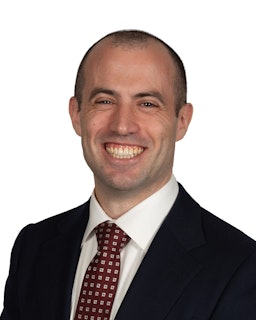
Dr. Colby U, MD, MPH, MBI, FAMIA, is a distinguished, double-board-certified physician specializing in clinical informatics and preventive medicine. As an Associate Chief Medical Informatics Officer, he provides strategic leadership for 166 personnel supporting the largest electronic health record (EHR) system globally, serving over 721 medical facilities and 9.6 million…
Collaborates with Nebraska nurse practitioners · also licensed in 17 other states

Dr. Tuvia B. is a board-certified psychiatrist with subspecialty board certification in Child and Adolescent Psychiatry. With more than 15 years of clinical experience, he provides comprehensive psychiatric care to children, adolescents, and adults across a variety of practice settings, including private practice, telepsychiatry, outpatient behavioral health, correctional psychiatry, and…
Collaborates with Nebraska nurse practitioners · also licensed in 29 other states

Dr. Elizabeth D. is a triple board-certified physician specializing in Psychiatry, Addiction Medicine, and Obesity Medicine. She brings extensive clinical and leadership experience across inpatient psychiatry, outpatient services, emergency psychiatry, consultation-liaison services, detoxification, and partial hospitalization programs.
Collaborates with Nebraska nurse practitioners · also licensed in 9 other states

Dr. Hope B. is a board-certified psychiatrist with more than 25 years of clinical experience across diverse settings, including general adult psychiatry, inpatient psychiatry, community mental health, geriatric psychiatry, addictions treatment, and correctional psychiatry.
Collaborates with Nebraska nurse practitioners · also licensed in 13 other states
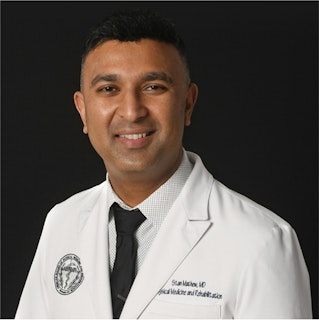
Board-Certified in Physical Medicine & Rehabilitation, Pain Medicine, and Disability Analysis | Medical Director About Dr. Stanley M. Dr. Stanley M. is a board-certified physician in Physical Medicine & Rehabilitation (PM&R) with over 15 years of experience in medical leadership, pain management, weight loss, long-term care, and rehabilitation services.
Collaborates with Nebraska nurse practitioners · also licensed in 9 other states

Dr. Shannon H. is a physician executive and board-certified Pediatrician with extensive experience across pediatric urgent care, pediatric emergency medicine, general pediatrics, and academic medicine. She brings a unique combination of clinical expertise and operational leadership, with a strong focus on scaling healthcare delivery.
Collaborates with Nebraska nurse practitioners · also licensed in 31 other states

Dr. Steven G. affectionately known as “Dr. Steve” by his patients and staff, is an experienced Emergency Medicine-trained physician with a diverse clinical background spanning emergency care, primary care, mental health, telemedicine, and specialty health services.
Collaborates with Nebraska nurse practitioners · also licensed in 34 other states

Board-Certified Family Medicine Physician | Multi-State Telemedicine & Urgent Care Leader Dr. Feras H is a dynamic, board-certified Family Medicine physician with extensive experience spanning urgent care, telemedicine, primary care, psychiatry, and weight management.
Collaborates with Nebraska nurse practitioners · also licensed in 18 other states

Dr. Adeeb R. is a board-certified Family Medicine physician and experienced Medical Director of multiple clinics with comprehensive clinical experience spanning primary care, mental health, urgent care, addiction-related care, holistic/functional medicine, hormone replacement/regenerative medicine, and chronic disease management.
Collaborates with Nebraska nurse practitioners · also licensed in 16 other states

Experienced Internist | Telehealth & Long-Term Care Expert | Mental Health & Weight Management About Dr. Marc S. Dr. Marc S. is a seasoned internal medicine physician with over 35 years of clinical experience spanning private practice, regional health systems, and telemedicine.
Collaborates with Nebraska nurse practitioners · also licensed in 11 other states
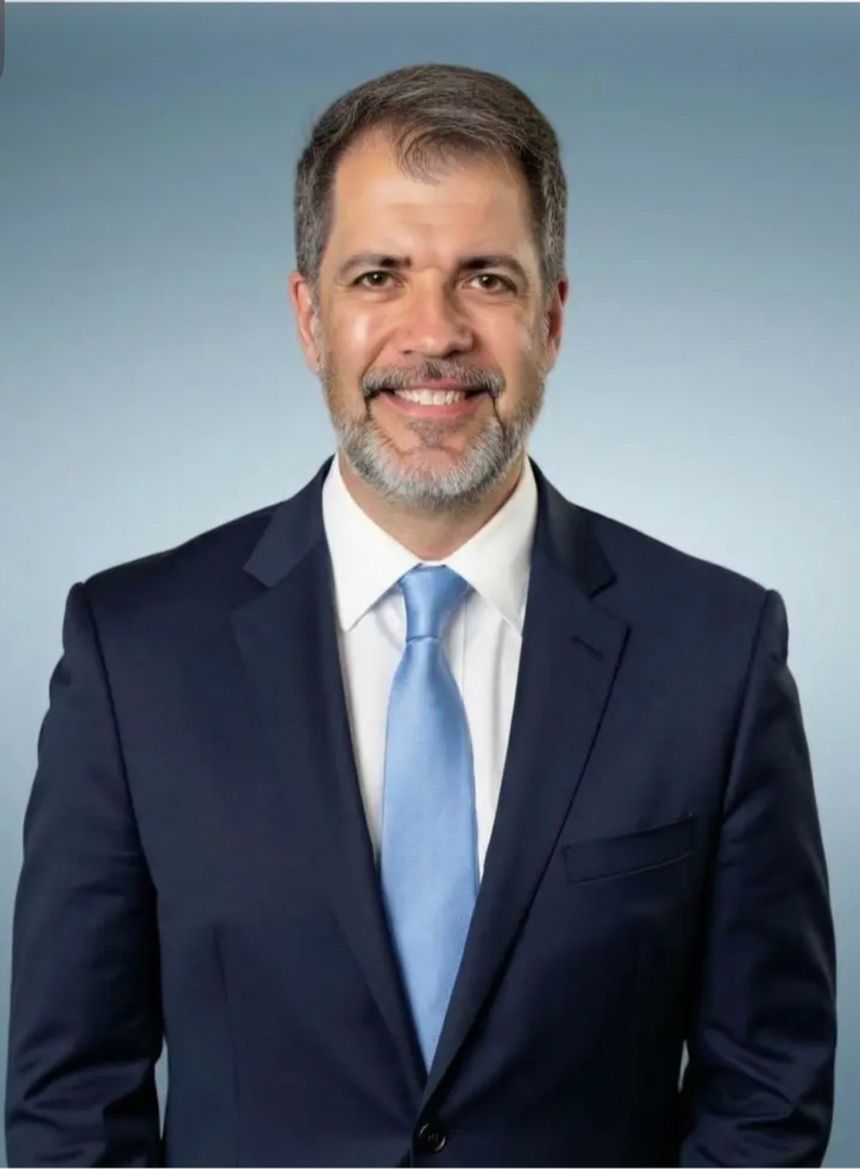
Family Medicine Physician | Telemedicine, Mental Health & Collaborative Care Dr. Christopher M. is a family medicine physician with more than 20 years of clinical experience across family practice, telemedicine, mental health, emergency medicine, urgent care, hospice, and collaborative care settings. Throughout his career, Dr.
Collaborates with Nebraska nurse practitioners · also licensed in 15 other states

Dr. Jerry C. is a highly experienced, multi-state licensed physician with nearly three decades of clinical expertise in emergency medicine, telemedicine, and integrative care. He is licensed in all 50 states and Washington, DC, and brings extensive regulatory knowledge and operational leadership to every collaboration.
Collaborates with Nebraska nurse practitioners · also licensed in 40 other states

Board-Certified in Emergency Medicine | Experienced Medical Director | NP Mentor in Acute, Telemedicine & ICU Settings Dr. Nauman R. is a board-certified emergency medicine physician with over a decade of experience across emergency departments, hospitalist medicine, ICU, and telemedicine.
Collaborates with Nebraska nurse practitioners · also licensed in 25 other states
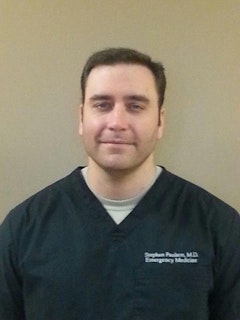
MD, MBA – Emergency Medicine Leader | NP/PA Advocate | Military-Trained Collaborator Dr. Stephen P. is a board-certified emergency medicine physician with over 20 years of clinical experience and an extensive track record of NP and PA collaboration in high-volume, high-acuity settings.
Collaborates with Nebraska nurse practitioners · also licensed in 7 other states

Dr. Thomas S. is a board-certified Internal Medicine physician with over two decades of clinical experience across both inpatient and outpatient settings. Since completing his residency training in Internal Medicine in 2000, he has built a diverse and dynamic career that spans primary care, hospital medicine, aesthetics, and disability evaluation.
Collaborates with Nebraska nurse practitioners · also licensed in 5 other states

Dual Board-Certified in Internal Medicine & Obesity Medicine | Experienced Medical Director | Telehealth & Mental Health Expertise About Dr. Emill L. Dr. Emill L. is a dual board-certified physician in Internal Medicine and Obesity Medicine with over 15 years of experience across hospital medicine, telehealth, and outpatient care.
Collaborates with Nebraska nurse practitioners · also licensed in 39 other states

Dr. Dahlia C. is a Board-Certified Emergency Physician (ABEM) with more than 10 years of clinical experience. Since November 2023, she has served as Emergency Department Director at a hospital in New Jersey while also working ED shifts at other hospitals in New Jersey and New York.
Collaborates with Nebraska nurse practitioners · also licensed in 39 other states

Board-Certified Pediatrician | Medical Director | Expert Consultant | Experienced NP Collaborator About Dr. Craig C. Dr. Craig C. is a board-certified pediatrician with over 23 years of experience spanning general pediatrics, child abuse medicine, medical-legal consulting, and healthcare leadership.
Collaborates with Nebraska nurse practitioners · also licensed in 14 other states

Dr. Kenneth R. is a board-certified Emergency Medicine Physician with thirty years of clinical and leadership experience spanning emergency medicine, urgent care, telemedicine, and physician supervision. A graduate of Eastern Virginia Medical School, Dr. Kenneth R.
Collaborates with Nebraska nurse practitioners · also licensed in 37 other states

Dr. Benjamin M. is a board-certified psychiatrist specializing in Integrative Psychiatry, Ketamine-Assisted Therapy, and Psychedelic Harm Reduction and Integration. He received his Doctor of Medicine from the University of Colorado School of Medicine, completing additional training through the Urban Underserved Track.
Collaborates with Nebraska nurse practitioners · also licensed in 20 other states
Frequently Asked Questions
Do Nebraska NPs need a collaborating physician?
During the 2,000-hour transition period, yes — a formal written transition-to-practice agreement with a qualifying supervising provider is legally required. After completing 2,000 hours, no physician collaboration is mandated by Nebraska law.
Who qualifies as a supervising provider in Nebraska?
A physician, osteopathic physician, or qualified nurse practitioner licensed in Nebraska who practices in the same specialty, related specialty, or field of practice as the NP in transition. If an NP serves as supervising provider, they must have completed 10,000 hours of practice as a nurse practitioner.
What is the legacy practitioner exemption?
NPs licensed in Nebraska on or before August 30, 2015 who had already completed 2,000 hours of physician-supervised practice under the prior framework are exempt from the formal transition-to-practice agreement. Confirm eligibility directly with Nebraska DHHS.
What does LB731 require?
Nebraska law LB731 requires NPs who prescribe controlled substances to complete 3 hours of CE in opiate prescribing per renewal cycle, including at least 0.5 hours specifically covering the Nebraska PDMP. This is separate from the federal DEA 8-hour opioid training.
Can Nebraska NPs prescribe Schedule II controlled substances independently?
Yes — after completing the 2,000-hour transition and with an active DEA registration.
Does federal Ryan Haight Act apply to Nebraska telemedicine?
Yes. Nebraska follows federal law, which requires an in-person medical evaluation before prescribing controlled substances via telehealth unless a federal exception applies. COVID-19 temporary flexibilities are in effect through December 31, 2025.
Sources & References
Nebraska Revised Statute § 38-2315 — Core Nebraska law governing APRN practice, including the transition-to-practice framework for APRNs practicing in the state.
Nebraska Revised Statute § 38-2322 — Nebraska statute addressing the written transition-to-practice agreement and related obligations for APRNs and supervising providers.
Nebraska DHHS Nursing Licensure — Official licensure hub with links to current rules, statutes, and renewal requirements.
Nebraska LB731 — Controlled Substances Continuing Education — Official DHHS resource documenting the 3-hour opioid CE requirement and PDMP training component.
Nebraska Prescription Drug Monitoring Program — Official PDMP information, registration, and training requirements.
Nebraska Mental Health Commitment Act — Official resource for NP authority to manage committed patients.
Nebraska Telehealth Act — State telehealth regulation and patient consent requirements.
Federal DEA Registration — Official federal registration portal and controlled substance rules.
Federal Ryan Haight Act & Telemedicine Prescribing — Federal requirements for in-person evaluation before controlled substance telehealth prescribing.
NP Collaborator Fair Price Report, Edition 1 (2026) — Market pricing and cost analysis for collaborative physician relationships.
Related resources
NP Collaborative Agreement Template (Free Download)
Get a free 50+ page collaborative agreement template covering all 50 states. Includes sample language, filing requirements and NP-protective clauses.
Read moreGuidesBrowse All NP Resources
Guides, comparisons, templates and tools for nurse practitioners in one place.
Read moreComparisonsBest Collaborating Physician Platforms (2026)
Honest comparison of the top NP collaborating physician platforms. Transparent all-inclusive pricing starting at $424/mo.
Read moreToolsNP Collaboration Savings Calculator
Calculate how much you can save on collaboration fees. Compare costs and find the best rates in your state.
Read more