Minnesota grants advanced practice registered nurses full practice authority. The 2,080-hour postgraduate collaborative practice requirement was repealed by HF 1794 effective August 1, 2026. No collaborating physician, written agreement, or board filing is required. Prescriptive authority includes Schedules II–V with federal DEA registration. PMP query is mandatory before initial opiate prescriptions and every three months for chronic pain or medication-assisted treatment. DEA records must be maintained with the Board of Nursing. APRNs may sign POLST forms including DNR orders within scope.
Quick Answer: No. Minnesota no longer requires a collaborating physician for ongoing nurse practitioner practice. The AANP classifies Minnesota as a full practice authority state, and Minnesota APRNs practice independently under Minnesota Board of Nursing authority with full prescriptive authority. Minnesota's prior 2,080-hour transition-to-practice framework has been repealed by HF 1794 (effective August 1, 2026; confirm final enactment status with the Board), so the main question for most NPs now is whether a voluntary collaboration still makes sense for payer enrollment, employer policy, specialty backup, or internal quality oversight. If you do choose a voluntary collaboration, see Minnesota collaborating physician cost for current benchmark pricing.
⚠️ Legislative Note: HF 1794 passed the Minnesota House 119–12 on April 27, 2026, and is expected to take effect August 1, 2026. As of the date of this guide, final enactment status should be confirmed directly with the Minnesota Board of Nursing before relying on the repeal of the 2,080-hour requirement.
Minnesota has been a full practice authority state, with an asterisk that is finally being removed. Until August 1, 2026, Minnesota law required NPs to complete 2,080 hours of collaborative practice with a physician before achieving full independence. Effective August 1, 2026, that requirement is repealed under HF 1794. Any NP completing postgraduate practice requirements or submitting a licensure application on or after that date is no longer subject to the collaborative hours threshold.
What remains: DEA registration requirements, a mandatory federal opioid training, DEA record-keeping obligations with the Minnesota Board of Nursing, mandatory PMP queries for opiate prescribing, and the credentialing and insurance realities that persist in every full practice state. This guide covers the transition repeal, what independent practice looks like in Minnesota today, when voluntary physician partnerships still make sense, and what they cost.
At a Glance: Minnesota Nurse Practitioner (NP) Practice Rules (2026)
Rule Category | Minnesota Requirement |
|---|---|
Practice Authority | Full — 2,080-hour collaborative requirement repealed effective August 1, 2026 (confirm enactment with Board) |
CPA Required | No — after August 1, 2026 |
Board Filing | DEA registration records must be maintained with Minnesota Board of Nursing |
Prescriptive Authority | Full and independent |
Controlled Substances (II–V) | Permitted — DEA registration required |
Federal Opioid Training | Required — one-time 8-hour training for all DEA registrants |
PMP | Mandatory enrollment and query — required before initial opiate Rx and every 3 months for chronic pain/MAT |
POLST / DNR Authority | APRNs may sign POLST forms (which include DNR orders) within scope |
Ratio Caps | None |
Geographic Restrictions | None |
Telemedicine | Permitted — standard telehealth rules apply |
CE Requirement | National certification maintenance + 2 contact hours on controlled substance prescribing per renewal |
Find a Collaborating Physician in Minnesota
32 physicians currently available • Listed fees: $494–$949/mo
Updated November 2026
| Physician | Specialty | Fee/mo |
|---|---|---|
| Shannon H, DO | Mental Health, Primary Care | $494 |
| Steven G, MD | Mental Health, Primary Care | $497 |
| Feras H, MD | Mental Health, Primary Care | $498 |
| Ryan G, MD Psychiatrist | Mental Health | $499 |
| Jamie R, DO | Primary Care, Medical Aesthetics | $499 |
The Cost of Getting This Wrong
Minnesota's August 2026 legislative change eliminates the collaborative hours requirement — but it does not eliminate the compliance obligations that remain. These are the highest-risk failure points for Minnesota nurse practitioners.
Prescribing controlled substances without DEA registration. Minnesota NPs must hold a valid federal DEA registration to prescribe Schedule II through V controlled substances. There is no separate state-level controlled substance registration in Minnesota — the DEA registration is your primary credential. Prescribing without it is a federal violation with consequences that run parallel to any Board of Nursing action.
Failing to maintain DEA records with the Minnesota Board of Nursing. Minnesota Statute § 148.235 requires that all DEA registration records and numbers be maintained with the Board of Nursing. This is a state-specific requirement that goes beyond what the DEA itself mandates. Failure to keep those records current with the Board is a compliance violation independent of your federal DEA standing.
Missing the federal 8-hour opioid training. As of June 2023, all DEA-registered practitioners must complete a one-time 8-hour training on the treatment and management of patients with opioid or other substance use disorders. This must be affirmed during DEA registration or renewal. Exemptions apply for board-certified addiction medicine or psychiatry specialists and NPs who graduated from an accredited program within the last five years that included equivalent training — but you must confirm your exemption status; it is not assumed.
Assuming the repeal applies retroactively to pending applications. HF 1794 applies to NPs completing postgraduate practice requirements and to applications submitted on or after August 1, 2026. NPs who submitted licensure applications before that date under the prior framework remain subject to the rules in effect at the time of their application. If your application was pending before the effective date, confirm your status directly with the Minnesota Board of Nursing.
Failing to query the PMP when required. Minnesota's Prescription Monitoring Program enrollment is mandatory for all prescribers since July 1, 2017. PMP query is legally required — not discretionary — before issuing an initial opiate prescription and at least every three months for patients receiving opiates for chronic pain or participating in medication-assisted treatment. Document every query in the patient record.
Credentialing gaps after the repeal. Hospital systems, specialty networks, and commercial insurance panels in Minnesota may still require physician collaboration as a condition of credentialing or contract participation, regardless of what state law says. Plan for credentialing timelines before assuming full independent billing authority.
The 2,080-Hour Transition: What It Required (And What Changes)
What happened to Minnesota's 2,080-hour transition period?
Minnesota's 2,080-hour transition-to-practice framework is the reason many older guides still discuss a collaborating physician requirement. That transition period has now been repealed (pending final enactment confirmation — see legislative note above), so the practical answer for most Minnesota nurse practitioners is simpler: a collaborating physician is no longer required for ongoing NP practice under Minnesota's current framework.
For readers comparing older and newer guidance, the key distinction is timing. Earlier Minnesota materials tied APRN practice to collaborating or organizational arrangements, while current practice authority is governed through the Minnesota Board of Nursing's APRN licensure and Nurse Practice Act resources. Start with the Board's APRN Licensure General Information page and its Nurse Practice Act summary when checking the current rule.
Collaborative Management Plan (CPA) Content Requirements
With the collaborative requirement repealed, Minnesota NPs no longer need a CPA for state compliance purposes. For NPs who pursue voluntary physician collaboration — for credentialing, institutional, or specialty reasons — a well-structured agreement should include:
Identities and Credentials — Full legal names, Minnesota NP license numbers, DEA registration numbers, national certification details, and specialty designations
Scope of Arrangement — Clear definition of the clinical scope covered and the nature of the collaboration (consultative, credentialing-based, or specialty-specific)
Consultation Protocols — How and when the NP will contact the physician, expected response times, and escalation procedures for urgent clinical situations
DEA and Controlled Substance Acknowledgment — Confirmation that the NP holds a current DEA registration and has completed the federal 8-hour opioid training
Quality Assurance Processes — Chart review schedules and outcome benchmarks; important for credentialing bodies even when not Board-mandated
Term and Termination — Start date, renewal terms, and a minimum 30–60 day notice period for either party
Signatures and Dating — Original dated signatures from both parties
Controlled Substance Rules
Minnesota NPs hold full, independent authority to prescribe Schedules II through V controlled substances. Note: CRNAs prescribing drugs for pain management must have a written prescribing agreement with a physician per Minn. Stat. § 148.171. One federal registration is required for NPs:
Federal DEA Registration — Apply through deadiversion.usdoj.gov. Allow 4–6 weeks for new applications. Renews every three years at $888. Address-specific — update with any practice location change.
DEA Records with the Board of Nursing — Minnesota Statute § 148.235 requires your DEA registration records and numbers to be maintained with the Minnesota Board of Nursing. This is a separate state obligation from your federal DEA compliance. Keep your Board records current whenever your DEA registration is issued, renewed, or amended.
Federal 8-Hour Opioid Training — Required once for all DEA registrants. Must be affirmed at DEA registration or renewal. Covers treatment and management of patients with opioid or other substance use disorders. Exemptions exist for board-certified addiction medicine and psychiatry specialists, and for recent NP graduates whose accredited programs covered equivalent content.
Minnesota Prescription Monitoring Program — Minnesota operates a PMP with mandatory enrollment for all prescribers since July 1, 2017. PMP query is legally required — not discretionary — in two specific circumstances: before issuing an initial prescription for an opiate, and at least every three months for patients receiving opiates for chronic pain or participating in medication-assisted treatment (MAT). Document PMP queries in the patient record.
Physician Ratio & Geography
Minnesota imposes no ratio caps on voluntary collaborative arrangements. A physician can support any number of NPs simultaneously, and the state sets no ceiling. Ask any prospective collaborating physician directly how many NPs they currently work with — a physician with 25+ arrangements may not have adequate bandwidth for meaningful consultation.
No geographic proximity requirements exist. Your collaborating physician can be located anywhere in Minnesota. Teleconference-based consultation is fully permissible — a meaningful advantage for NPs in rural Greater Minnesota, the Iron Range, or the Red River Valley where physician density is thin.
Ongoing Compliance with Minnesota Board of Nursing Requirements
DEA registration — Renews every three years; address-specific; set renewal reminders at least 60 days before expiration
DEA records with the Board — Keep Minnesota Board of Nursing records current with every DEA issuance, renewal, or amendment per Minn. Stat. § 148.235
Federal 8-hour opioid training — One-time requirement; confirm exemption status if applicable; affirm during DEA registration or renewal
PMP enrollment and mandatory queries — Enrollment mandatory since July 1, 2017. Query required before initial opiate prescription and every 3 months for chronic pain/MAT patients. Document every query in the chart
National certification — Required for APRN licensure in Minnesota and must remain active afterward; lapse creates a scope-of-practice gap
Graduate education — Minnesota requires completion of a graduate-level APRN program for an APRN license
Post-2016 coursework — Programs completed after January 1, 2016, must include the specified coursework required for APRN licensure
Licensure fees — Initial APRN licensure fee is $105 (nonrefundable); renewal fee is $85 biennial
Renewal timing — Minnesota APRN licenses renew every two years based on birth year (even birth year = even renewal year; odd birth year = odd renewal year)
CE requirements — APRNs satisfy continuing education through maintenance of current national certification (no separate state CE hour mandate). APRNs with prescriptive authority must additionally complete 2 contact hours on controlled substance prescribing per renewal cycle. Track national certifying body CE cycles separately
Scope of practice — Clinical decisions must fall within your certified population focus; practicing outside it is a violation that full practice authority does not excuse
Telemedicine
Telehealth and remote collaboration
Telehealth raises a licensure question first and a collaboration question second. As the American Medical Association's telehealth guidance notes, location follows the patient: a visit conducted from one state to a patient sitting in another is practice in the patient's state, and both the licensure and the collaboration requirement are read from there. For Minnesota NPs, that means telehealth workflows should document the patient's location at the time of service and confirm that the NP's licensure and practice model fit that state-specific encounter.
Nurse Licensure Compact note: Minnesota has enacted NLC legislation but has not yet implemented the compact. Until implementation is complete, nurses must hold an individual Minnesota license to practice in the state — a compact multistate license from another state cannot currently be used to practice in Minnesota. Monitor the Minnesota Board of Nursing for the official implementation date.
If you keep a voluntary relationship with a collaborating physician, spell out how remote consultation works. Include response expectations, how urgent questions are escalated, and which telehealth cases should trigger same-day physician input.
How to Find a Collaborating Physician
Employer or Institution-Based — Large health systems in the Twin Cities metro and regional hubs often facilitate physician collaboration through embedded medical staff relationships, and some NPs still seek physician partners because effective collaboration supports high-quality patient care and can reduce fragmented care. Convenient, but no say in who the physician is, and the arrangement ends with employment. In these settings, physicians work with NPs in team-based models that are especially useful for chronic disease management and complex cases that benefit from shared expertise.
Professional Network and Peer Outreach — Direct outreach through the Minnesota Nurses Association, specialty societies, or peer referrals. Viable in urban and suburban areas; thinner in rural Greater Minnesota where the no-geographic-restriction rule gives you statewide access. Because NPs often spend more time on education and follow-up, this can complement physician input and improve patient satisfaction in collaborative models.
Matching Platforms (NPCollaborator and similar) — Vetted physician matches with attorney-reviewed agreement templates. Matching timelines in Minnesota average one to two weeks. Platform fees are higher than successful cold outreach but lower than the cumulative cost of a failed search that delays credentialing or billing authorization.
Physician Vetting Checklist
Is your Minnesota medical license active and free of restrictions or open Board of Medical Practice investigations?
Does your clinical background overlap with my practice specialty and population focus?
Do you hold an active DEA registration and have you completed the federal 8-hour opioid training?
How many NPs are you currently collaborating with — and do you have genuine bandwidth?
What is your response time expectation for non-urgent clinical questions?
Does your malpractice coverage extend to the collaborative arrangement?
Are you comfortable with a structured DEA record-keeping acknowledgment in the agreement?
Will you agree to a minimum 30–60 day termination notice period?
FAQ
Is the 2,080-hour collaborative requirement still in effect?
HF 1794 passed the Minnesota House 119–12 on April 27, 2026, and repeals the 2,080-hour requirement effective August 1, 2026. NPs submitting licensure applications on or after that date proceed directly to full independent practice with no collaborative hours requirement. Confirm final enactment status with the Minnesota Board of Nursing.
Do Minnesota NPs need a collaborating physician after August 2026?
No — state law no longer requires one, and Minnesota does not require direct physician supervision for NP practice after the repeal. Voluntary arrangements may still be pursued for credentialing, insurance panel, or specialty reasons.
Can Minnesota APRNs sign DNR orders?
Yes. Minnesota APRNs are authorized to sign POLST (Provider Orders for Life-Sustaining Treatment) forms, which include DNR/CPR status orders. POLST forms are valid medical orders when signed by an APRN, physician, or physician assistant.
What registrations are required to prescribe controlled substances in Minnesota?
A federal DEA registration is required. Minnesota does not have a separate state controlled substance registration. A current Minnesota RN license is also a prerequisite to APRN licensure, and Minnesota has enacted but not yet implemented the Nurse Licensure Compact — until implementation is complete, a compact license from another state cannot be used to practice in Minnesota. Your DEA records must also be maintained with the Minnesota Board of Nursing under Statute § 148.235.
What is the federal 8-hour opioid training?
A one-time federal requirement for all DEA registrants, covering treatment and management of patients with opioid or other substance use disorders. Must be affirmed at DEA registration or renewal.
What are the basic APRN licensure prerequisites in Minnesota?
You must hold a Minnesota RN license, complete graduate-level education through an APRN program, and maintain current certification for the population focus and license sought. For APRN practice, the Board also expects a nationally accredited nursing program that supports advanced training and documents program completion. Programs completed after January 1, 2016, must include graduate-level coursework in broad categories such as advanced physiology and advanced health assessment. Initial licensure fee is $105 (nonrefundable); biennial renewal is $85.
Sources & References
Minnesota Board of Nursing — APRN Licensure General Information — Minnesota Board of Nursing overview of APRN licensure requirements.
Minnesota Board of Nursing — Nurse Practice Act — Board summary of the Minnesota Nurse Practice Act governing nursing practice.
Minnesota Board of Nursing — Laws and Rules — Minnesota Board of Nursing laws and rules index.
Minnesota Board of Nursing (official) — Official Minnesota Board of Nursing homepage.
HF 1794 — Bill Text — Legislative text repealing the 2,080-hour postgraduate collaborative practice requirement.
Minn. Stat. § 148.235 — DEA registration record-keeping requirement with the Board of Nursing.
Minn. Stat. § 148.171 — Definitions and CRNA pain management prescribing agreement requirement.
Minn. Stat. § 152.126 — Minnesota Prescription Monitoring Program.
Minnesota PMP — Requirements — Mandatory PMP enrollment and query rules.
Minnesota POLST FAQ — MN Medical Association — POLST form signing authority and procedures.
21 C.F.R. Part 1306 — Federal DEA prescription requirements for controlled substances.
42 C.F.R. § 410.75 — Medicare conditions for coverage of nurse practitioners' services.
NP Collaborator's Fair Price for Collaboration Report — National and state-level pricing benchmarks for collaborating physician arrangements.
Further Guidance
AANP: Minnesota — Practice-environment context for Minnesota.
American Association of Nurse Practitioners, State Practice Environment — National guidance on state-by-state practice environment differences.
National Council of State Boards of Nursing, APRN Practice resources — National APRN regulatory context.
American Medical Association, Telehealth Quick Guide — Practical telehealth guidance.
CMS, Medicare Benefit Policy Manual, Ch. 15 — Medicare documentation and NP services guidance.
Disclaimer: This page summarizes NP Collaborator's interpretation of Minnesota statutes, Board of Nursing rules, and DEA regulations governing nurse practitioner collaborative practice as of the date shown above. It is provided for informational purposes only and does not constitute legal, regulatory, or clinical advice. Laws and rules change — always verify current requirements directly with the Minnesota Board of Nursing or a qualified healthcare attorney before making practice decisions.
Find a Collaborating Physician in Minnesota
32 verified physicians ready to collaborate · Fees $494–$949/mo
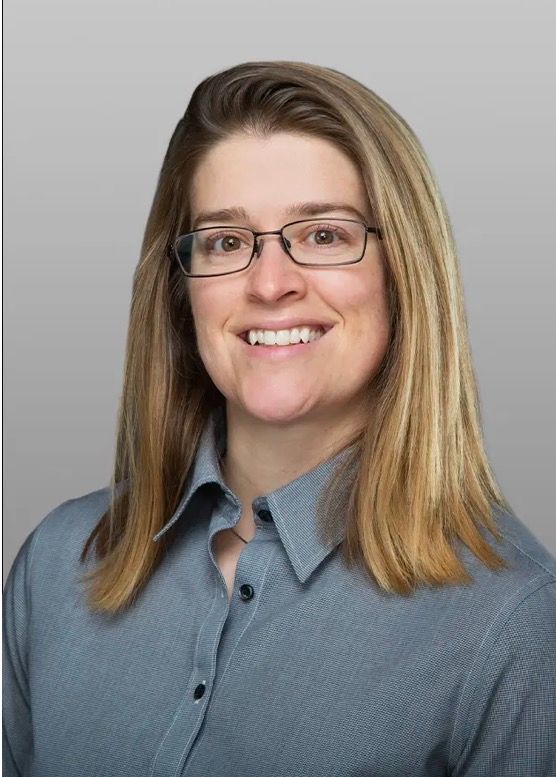
Dr. Ryan G. is a board-certified general psychiatrist with extensive experience practicing across a wide range of clinical and cultural settings. Her background includes work in inpatient psychiatry, emergency and consult-liaison psychiatry, outpatient psychiatry, and telepsychiatry, providing her with a comprehensive understanding of psychiatric care across the full continuum of…
Collaborates with Minnesota nurse practitioners · also licensed in 7 other states

Dr. Shannon H. is a physician executive and board-certified Pediatrician with extensive experience across pediatric urgent care, pediatric emergency medicine, general pediatrics, and academic medicine. She brings a unique combination of clinical expertise and operational leadership, with a strong focus on scaling healthcare delivery.
Collaborates with Minnesota nurse practitioners · also licensed in 31 other states
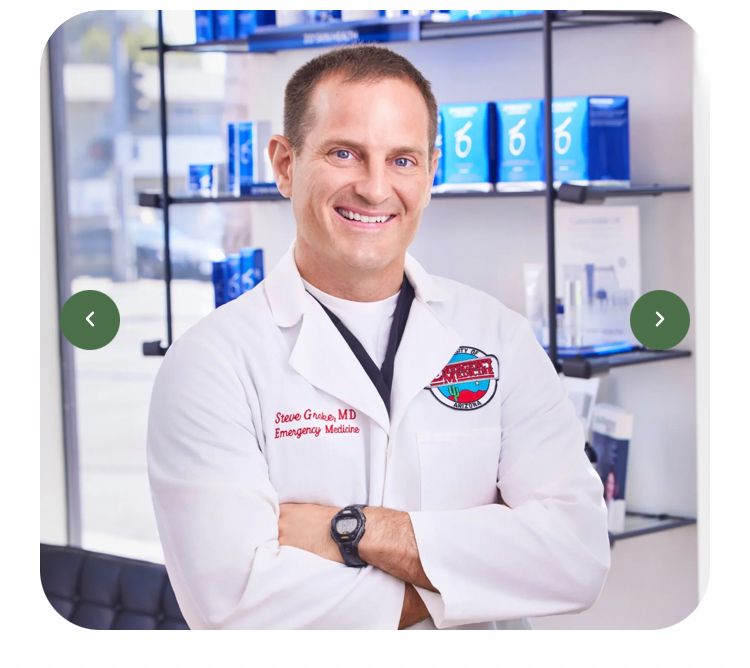
Dr. Steven G. affectionately known as “Dr. Steve” by his patients and staff, is an experienced Emergency Medicine-trained physician with a diverse clinical background spanning emergency care, primary care, mental health, telemedicine, and specialty health services.
Collaborates with Minnesota nurse practitioners · also licensed in 34 other states

Board-Certified Family Medicine Physician | Multi-State Telemedicine & Urgent Care Leader Dr. Feras H is a dynamic, board-certified Family Medicine physician with extensive experience spanning urgent care, telemedicine, primary care, psychiatry, and weight management.
Collaborates with Minnesota nurse practitioners · also licensed in 18 other states

Experienced Internist | Telehealth & Long-Term Care Expert | Mental Health & Weight Management About Dr. Marc S. Dr. Marc S. is a seasoned internal medicine physician with over 35 years of clinical experience spanning private practice, regional health systems, and telemedicine.
Collaborates with Minnesota nurse practitioners · also licensed in 11 other states
Dr. Amy M – Board-Certified Pulmonary, Critical Care, and Sleep Medicine Specialist Expert in Sleep Medicine, Pulmonary Disease, and Critical Care About Dr. Amy M Dr. Amy M is a double board-certified physician in Critical Care and Sleep Medicine, with more than 25 years of experience in complex respiratory and…
Collaborates with Minnesota nurse practitioners · also licensed in 20 other states
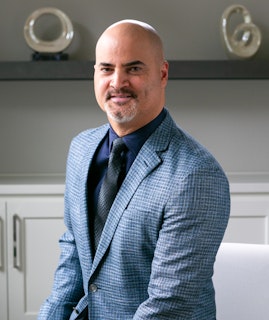
Dr. Gilbert S. is a board-certified psychiatrist in both General Psychiatry and Addiction Psychiatry with more than 18 years of clinical experience across inpatient, outpatient, and telepsychiatry settings. He has held senior leadership roles including Chief Executive Officer of a national telepsychiatry program, Director of Medical Services for addiction treatment…
Collaborates with Minnesota nurse practitioners · also licensed in 12 other states

Dr. Michael F. is an experienced psychiatrist with a diverse background in providing psychiatric care across multiple states and clinical settings. As a travel psychiatrist, he has practiced in numerous healthcare environments over the past seven years, gaining broad experience treating diverse patient populations and managing a wide range of…
Collaborates with Minnesota nurse practitioners · also licensed in 2 other states
Dr. Jamie R. is an experienced physician with a strong background in hospital medicine and telemedicine. Much of Dr. Jamie R.’s career has been dedicated to hospitalist practice, providing broad experience in acute and complex patient care. More recently, Dr. Jamie R.
Collaborates with Minnesota nurse practitioners · also licensed in 7 other states

Dr. Jerry C. is a highly experienced, multi-state licensed physician with nearly three decades of clinical expertise in emergency medicine, telemedicine, and integrative care. He is licensed in all 50 states and Washington, DC, and brings extensive regulatory knowledge and operational leadership to every collaboration.
Collaborates with Minnesota nurse practitioners · also licensed in 40 other states
Dr. Fahad A. is a board-certified Family Medicine physician with over 11 years of clinical experience providing comprehensive care across a wide variety of healthcare settings, including primary care, urgent care, inpatient medicine, rehabilitation facilities, nursing homes, and telemedicine.
Collaborates with Minnesota nurse practitioners · also licensed in 30 other states
Board-Certified Internal Medicine Physician & Cardiologist | Experienced NP Collaborator About Dr. William G. Dr. William G. is a board-certified internal medicine physician and cardiologist with extensive experience in telemedicine, medical weight loss, hormone therapy, lifestyle medicine, urgent care, and medical aesthetics.
Collaborates with Minnesota nurse practitioners · also licensed in 13 other states

Board-Certified in Emergency Medicine | Experienced Medical Director | NP Mentor in Acute, Telemedicine & ICU Settings Dr. Nauman R. is a board-certified emergency medicine physician with over a decade of experience across emergency departments, hospitalist medicine, ICU, and telemedicine.
Collaborates with Minnesota nurse practitioners · also licensed in 25 other states
Dr. Lance D. is a triple board-certified psychiatrist in General Psychiatry, Child and Adolescent Psychiatry, and Addiction Medicine, with over a decade of clinical experience across inpatient, outpatient, community, and military healthcare settings.
Collaborates with Minnesota nurse practitioners · also licensed in 22 other states

I am currently the Medical Director at a health management company and a former faculty member at Johns Hopkins. With an established 18-year tenure at Johns Hopkins, where I gained my training and later served as a faculty member, I have developed an extensive background in psychiatry with a special…
Collaborates with Minnesota nurse practitioners · also licensed in 12 other states
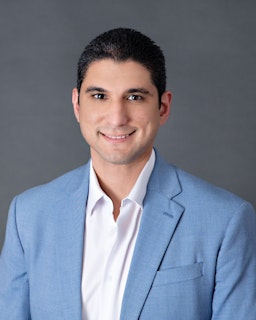
Dual Board-Certified in Internal Medicine & Obesity Medicine | Experienced Medical Director | Telehealth & Mental Health Expertise About Dr. Emill L. Dr. Emill L. is a dual board-certified physician in Internal Medicine and Obesity Medicine with over 15 years of experience across hospital medicine, telehealth, and outpatient care.
Collaborates with Minnesota nurse practitioners · also licensed in 39 other states

Dr. Dahlia C. is a Board-Certified Emergency Physician (ABEM) with more than 10 years of clinical experience. Since November 2023, she has served as Emergency Department Director at a hospital in New Jersey while also working ED shifts at other hospitals in New Jersey and New York.
Collaborates with Minnesota nurse practitioners · also licensed in 39 other states
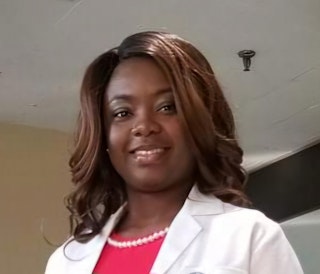
I am a Board-certified Internal Medicine Physician with over 10 years of experience in preventive and curative medicine in both clinic, remote and hospital settings. I currently collaborate with NPs/PAs providing Wound care, IV infusions, Primary care, Urgent care, Mental health, Home assessments and Weight loss services in order to…
Collaborates with Minnesota nurse practitioners · also licensed in 17 other states
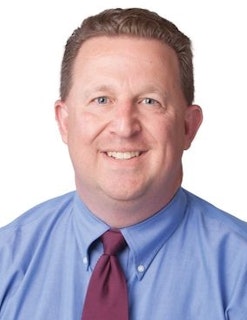
Board-Certified Pediatrician | Medical Director | Expert Consultant | Experienced NP Collaborator About Dr. Craig C. Dr. Craig C. is a board-certified pediatrician with over 23 years of experience spanning general pediatrics, child abuse medicine, medical-legal consulting, and healthcare leadership.
Collaborates with Minnesota nurse practitioners · also licensed in 14 other states

Dr. Avni P. is a board-certified Family Medicine physician with extensive multidisciplinary experience spanning emergency and urgent care, psychiatry, utilization review, telemedicine, and occupational health. With a broad clinical scope and a career that includes both frontline patient care and systems-level medical decision-making, Dr. Avni P.
Collaborates with Minnesota nurse practitioners · also licensed in 34 other states
Related resources
NP Collaborative Agreement Template (Free Download)
Get a free 50+ page collaborative agreement template covering all 50 states. Includes sample language, filing requirements and NP-protective clauses.
Read moreGuidesBrowse All NP Resources
Guides, comparisons, templates and tools for nurse practitioners in one place.
Read moreComparisonsBest Collaborating Physician Platforms (2026)
Honest comparison of the top NP collaborating physician platforms. Transparent all-inclusive pricing starting at $424/mo.
Read moreToolsNP Collaboration Savings Calculator
Calculate how much you can save on collaboration fees. Compare costs and find the best rates in your state.
Read more