In Illinois, nurse practitioners need a collaborative practice agreement with a collaborating physician during their transition period of 4,000 clinical hours and 250 continuing education hours. The agreement must define scope, consultation, referral protocols, and prescriptive authority, including named Schedule II drugs limited to oral, topical, or transdermal forms. After completing requirements, NPs may apply for full practice authority. Illinois has no physician ratio cap and permits remote collaboration.
Illinois is a reduced-practice state, so APRN practice is governed by the Nurse Practice Act — 225 ILCS 65 / Nurse Practice Act and the APRN collaboration rules in APRN collaborative agreement rules — 68 Ill. Adm. Code 1300. For Illinois NPs who need a collaborating physician relationship, the written collaboration structure is the document that defines scope, consultation, referral, and prescriptive authority, including controlled-substance details addressed under Illinois law. Telehealth changes how care is delivered, but it does not remove Illinois licensure or collaboration obligations.
WHAT ILLINOIS REQUIRES AT A GLANCE
Requirement | Illinois Rule |
|---|---|
Practice Authority | Full Practice Authority — only after 4,000 clinical hours and 250 hours of continuing education/training |
Collaborative Practice Agreement (CPA) | ✅ Required for first 4,000 hours of clinical practice |
Written Agreement On-Site | ✅ Must be maintained at all practice sites |
Controlled Substance Delegation | ✅ Physician must delegate specific schedule authority (II–V named); Schedule II limited to oral, topical, or transdermal formulations only (injectables prohibited), 30-day supply maximum |
Physician Qualifications | ✅ Illinois-licensed M.D. or D.O. in a "substantially similar" clinical area |
Physician Ratio Cap | ❌ No statutory numerical limit |
Geographic Proximity Requirement | ✅ None — remote / virtual collaboration fully permitted |
Telemedicine Collaboration | ✅ Permitted — CPA must define virtual oversight protocols |
Baseline licensure prerequisites include an active Illinois RN license, completion of an accredited NP specialty graduate degree, and passing a national certification exam to establish eligibility.
Find a Collaborating Physician in Illinois
73 physicians currently available • Listed fees: $424–$1,199/mo
Fair Price median: $498/mo [see data →] • Updated November 2026
| Physician | Specialty | Fee/mo |
|---|---|---|
| Stanley M, MD | Mental Health, Primary Care | $424 |
| Cary B, MD | Mental Health, Primary Care | $449 |
| Salman R, MD | Mental Health, Primary Care | $449 |
| Carolyn B, MD | Primary Care, Tele | $449 |
| Colby U, MD | Mental Health, Primary Care | $449 |
THE COST OF GETTING THIS WRONG
What the Illinois collaboration structure governs
In Illinois, the practical question is not whether the paperwork exists, but whether the collaboration structure matches the way the NP actually practices. The controlling sources are the Nurse Practice Act — 225 ILCS 65 / Nurse Practice Act and APRN collaborative agreement rules — 68 Ill. Adm. Code 1300. Those sources are the legal framework for APRN practice in Illinois and for the written collaboration structure that governs consultation, referral, review, and delegated prescriptive authority.
That means Illinois NPs should make sure the written collaboration structure matches the actual clinical scope, identifies how consultation will occur, and addresses any controlled-substance authority clearly. A collaboration document that is broad, outdated, or silent on prescribing details creates avoidable risk because the written terms are the operational record of the relationship.
THE COLLABORATIVE PRACTICE AGREEMENT (CPA): WHAT IT MUST INCLUDE
What the written collaboration structure should cover
In Illinois, APRN practice and the collaboration relationship are governed by the Nurse Practice Act — 225 ILCS 65 / Nurse Practice Act and the APRN rules in APRN collaborative agreement rules — 68 Ill. Adm. Code 1300. The written collaboration structure is the operating document for the relationship with the collaborating physician.
A strong Illinois collaboration document should clearly state the NP's clinical scope, how consultation will occur, when referral or escalation is expected, and how prescribing authority is handled. If the practice includes controlled substances, the prescribing terms should be explicit and should match the controlled-substance authority addressed under Illinois law and the Illinois controlled-substance exhibit.
Operationally, the best collaboration documents are specific enough that both the NP and the collaborating physician can follow the same workflow on routine care, urgent questions, referrals, and prescribing decisions.
CONTROLLED SUBSTANCES: WHAT ILLINOIS NPS CAN AND CANNOT PRESCRIBE
During your transition period, obtaining prescriptive authority to prescribe medications still requires delegated authority from your collaborating physician for controlled substances.
Schedule II authority can be delegated, but Illinois law imposes specific restrictions. The physician must specify which Schedule II drugs by name (brand or generic) in the CPA, and those must be drugs the physician routinely prescribes. Schedule II delegation is limited to oral, topical, or transdermal formulations only — injectable Schedule II controlled substances may not be delegated. Prescriptions are limited to a 30-day supply, and the collaborating physician must discuss Schedule II prescribing with the NP on a monthly basis.
Schedules III–V may be delegated within the scope of the written agreement.
For any controlled substance prescribing, you also need:
An active DEA registration number (federal requirement, separate from the CPA)
Active enrollment in the Illinois Prescription Monitoring Program (PMP)
To query the PMP before issuing new controlled substance prescriptions, as required in 2026
Illinois NPs can prescribe within scope, but they still face limits compared with some Full Practice states and do not perform major surgeries.
Once you obtain your FPA-APRN license (after 4,000 clinical hours and 250 hours of CE/training), you can prescribe Schedule II through V independently, though a consulting physician relationship is still encouraged for complex cases. Starting January 1, 2024, NPs with Full Practice Authority may prescribe up to a 120-day supply of benzodiazepines before physician consultation is required, and they remain responsible for those prescribing decisions.
PHYSICIAN RATIO LIMITS AND GEOGRAPHIC FLEXIBILITY
Telehealth and remote collaboration in Illinois
Telehealth changes the care modality, not the underlying Illinois collaboration framework. Illinois APRN practice is still governed by the Nurse Practice Act — 225 ILCS 65 / Nurse Practice Act and APRN collaborative agreement rules — 68 Ill. Adm. Code 1300.
As a matter of common telehealth practice, location follows the patient. The American Medical Association notes that a visit conducted from one state to a patient sitting in another is practice in the patient's state, so licensure and collaboration analysis starts with the patient's location. For Illinois NPs, the practical takeaway is to make sure the collaboration document and prescribing workflow still fit the way telehealth care is actually delivered.
ONGOING COMPLIANCE: NATIONAL CERTIFICATION, DOCUMENTATION AND HOURS TRACKING
Signing a CPA is the starting line, not the finish line. Illinois requires active, documented collaboration throughout the transition period. NP preparation also typically includes 500 to 1,000 clinical hours, depending on the degree pursued, and these are usually direct patient care hours.
The 4,000-Hour Log
For Illinois NPs, documentation isn't just for safety — it's for license advancement. You must keep a log of clinical hours that your collaborating physician can certify. The IDFPR requires an attestation of completed clinical experience, signed by your collaborator, when you apply for your FPA license. In addition to the 4,000 clinical hours, FPA applicants must also complete 250 hours of continuing education or training.
Each hour log should capture:
Practice dates and setting
Scope of care provided
The supervising/collaborating physician of record
Consultation and Meeting Documentation
Your CPA should define how often you meet and consult. Monthly check-ins are standard. Document them — if you're audited during your FPA application, these logs prove the collaboration was genuine.
Continuous Availability
Your collaborating physician must be reachable for consultation as described in your agreement — not physically present, but available. This is a patient safety requirement, not just paperwork.
Annual Review
Your agreement should be reviewed and re-signed annually, ensuring your protocols reflect your current scope and that your physician remains in a substantially similar clinical practice as required by law. Ongoing compliance also includes completing continuing education to keep your license in good standing. Illinois license renewal is biennial by May 31 of even-numbered years and requires 80 hours of continuing education every two years, though specific requirements are subject to change. Keep detailed continuing-education records for at least four years in case of an IDFPR audit. A minimum of 20 hours must focus on pharmacotherapeutics, especially controlled substances; of those 20 hours, at least 10 must specifically address opioid prescribing, addiction, or substance abuse.
TELEMEDICINE COLLABORATIONS IN ILLINOIS
Illinois law permits APRNs to prescribe via telemedicine, and compliant telemedicine services can expand access for patients when delivered within Illinois rules, provided the prescription is issued for a legitimate medical purpose within a valid patient-practitioner relationship. The same CPA requirements apply, and your agreement should specifically address how consultation, hour documentation, and physician oversight will be conducted in a virtual environment.
Key considerations for telehealth NPs:
Your CPA must list your telehealth platform as a practice setting
Hour-tracking protocols should account for virtual visit documentation toward your 4,000 hours
Monthly consultations with your collaborating physician can be conducted virtually
Real-time escalation procedures for urgent clinical needs must be defined in the agreement
All communication between you and your collaborating physician must occur on HIPAA-compliant platforms, with virtual collaboration workflows maintaining focus on patient care outcomes
NPCollaborator's physician network includes physicians with active telemedicine experience across multiple states, many of whom are already set up for virtual collaboration workflows.
Hawaii Collaborating Physician Cost Reference
Illinois collaborating physician benchmark pricing. Source: NP Collaborator's Fair Price for Collaboration Report, Edition 1 (2026), based on 2,000+ signed contracts nationally.
HOW TO FIND A COLLABORATING PHYSICIAN IN ILLINOIS
How to find a collaborating physician in Illinois
Start with specialty fit, not just availability. The collaborating physician should understand the NP's clinical setting, be comfortable with the intended prescribing scope, and be willing to work from a written collaboration structure that is specific enough to govern real patient care.
When comparing options, ask four practical questions: Does the physician actively practice in a clinically similar area? Are consultation expectations clear? If controlled substances are part of the practice, are those terms clearly addressed? Will the physician reliably maintain documentation, dated updates, and chart review workflows with you?
Those questions matter whether the relationship comes through an employer, a personal referral, or a matching platform.
WHAT TO LOOK FOR IN A COLLABORATING PHYSICIAN (BEYOND THE CREDENTIAL CHECK)
Finding a physician who is licensed and available is the floor, not the ceiling; during the transition period, the collaborator relationship is vital to safe practice and clear responsibilities. The right collaborator should understand that your work includes assessing and diagnosing patients, ordering and interpreting diagnostic tests, developing treatment plans, and providing patient education.
The right collaborating physician understands your specialty, communicates reliably, is available for consultation or supervision when needed, and treats the relationship as a genuine clinical partnership — not a monthly transaction. That specialty fit matters whether you practice in primary care or in a role such as a family nurse practitioner. In Illinois, they'll also be the person certifying your 4,000 qualifying hours, so this relationship has long-term stakes. If you've had a bad experience with a collaborating physician before, you already know the difference.
Before signing any agreement, ask:
Do they hold an active Illinois license? Non-negotiable for your hours to count.
Is their specialty "substantially similar"? The IDFPR will check this for your FPA license — an aesthetics NP shouldn't pair with a renal pathologist.
Will they certify your 4,000-hour attestation? Confirm this upfront so you're not left without a signature after a year of work.
Are they comfortable with your Schedule II needs? Illinois requires Schedule II drugs to be listed by name or class — make sure they agree.
What's their communication style? You need someone you can work with over the full transition period, not just a signature.
NPCollaborator's matching process is built around these questions — not just credential verification, but clinical and operational fit. Every physician in the marketplace has been vetted for specialty alignment, availability, and collaborative track record.
Illinois Fair Price benchmark (2026)
From 50+ signed contractsSource: NP Collaborator Fair Price Report, Edition 1, 2026. Figures reflect real signed collaboration agreements, not survey estimates or vendor list prices.
See the full Illinois collaborating physician cost breakdown →Find a Collaborating Physician in Illinois
73 verified physicians ready to collaborate · Fees $424–$1,199/mo
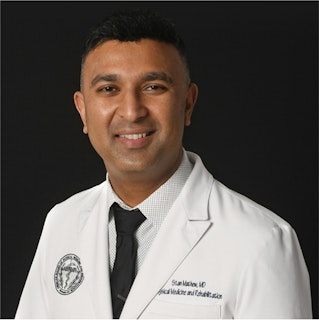
Board-Certified in Physical Medicine & Rehabilitation, Pain Medicine, and Disability Analysis | Medical Director About Dr. Stanley M. Dr. Stanley M. is a board-certified physician in Physical Medicine & Rehabilitation (PM&R) with over 15 years of experience in medical leadership, pain management, weight loss, long-term care, and rehabilitation services.
Collaborates with Illinois nurse practitioners · also licensed in 9 other states
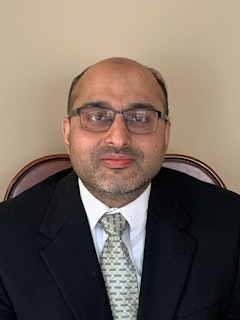
Experienced Family Medicine Physician with Expertise in Holistic and Aesthetic Care Dr. Salman R is a highly skilled and compassionate Family Medicine Physician with over 25 years of experience in providing comprehensive care to patients.
Collaborates with Illinois nurse practitioners · also licensed in 1 other state
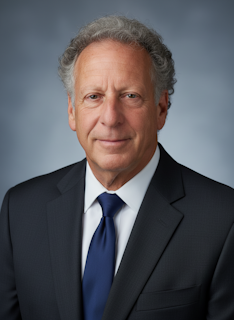
Dr. Cary B. is a highly experienced primary care and internal medicine physician with more than four decades of clinical practice in Illinois and Florida. He has worked extensively in both hospital and office-based settings, caring for patients across the full spectrum of acuity—from intensive care units to routine outpatient…
Collaborates with Illinois nurse practitioners · also licensed in 2 other states
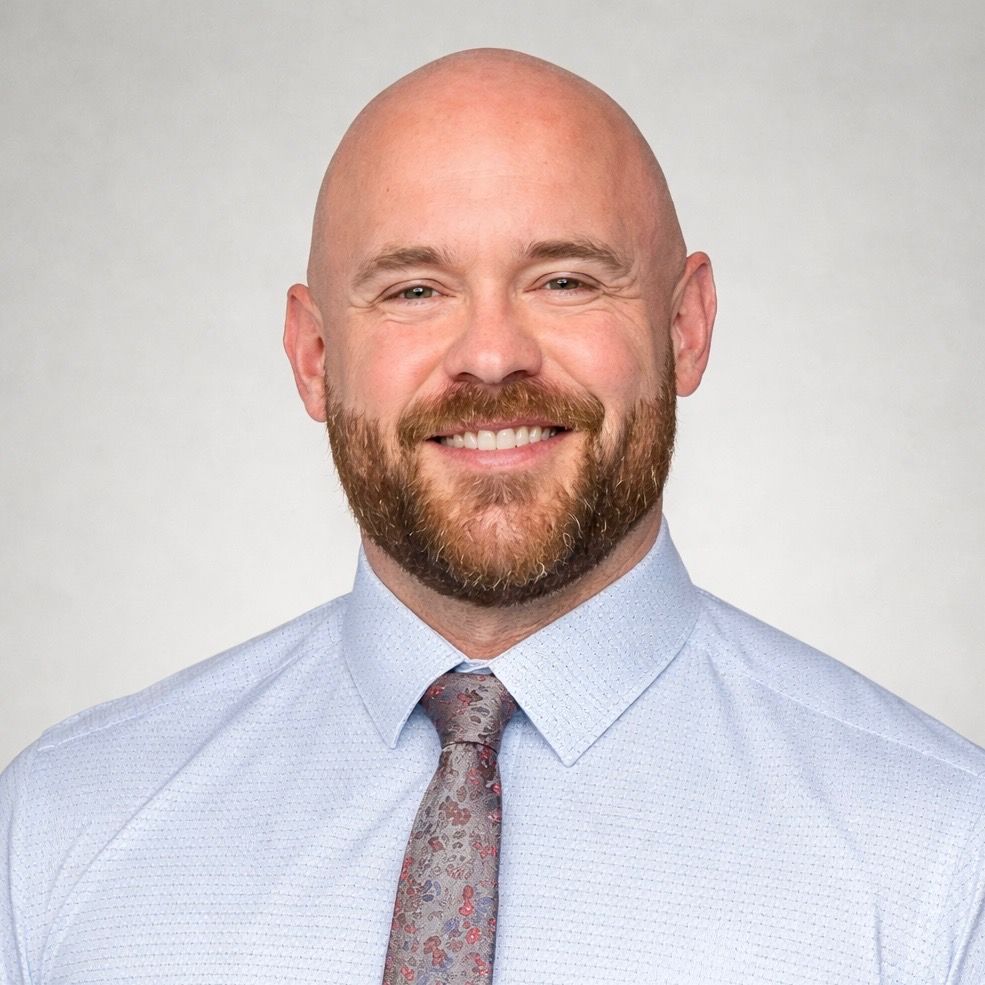
Dr. Michael S. is a board-certified Physical Medicine and Rehabilitation (PM&R) physician with fellowship training in interventional spine and musculoskeletal medicine. He brings broad clinical experience across outpatient, inpatient, subacute rehabilitation, skilled-nursing, and procedural practice settings.
Collaborates with Illinois nurse practitioners · also licensed in 1 other state
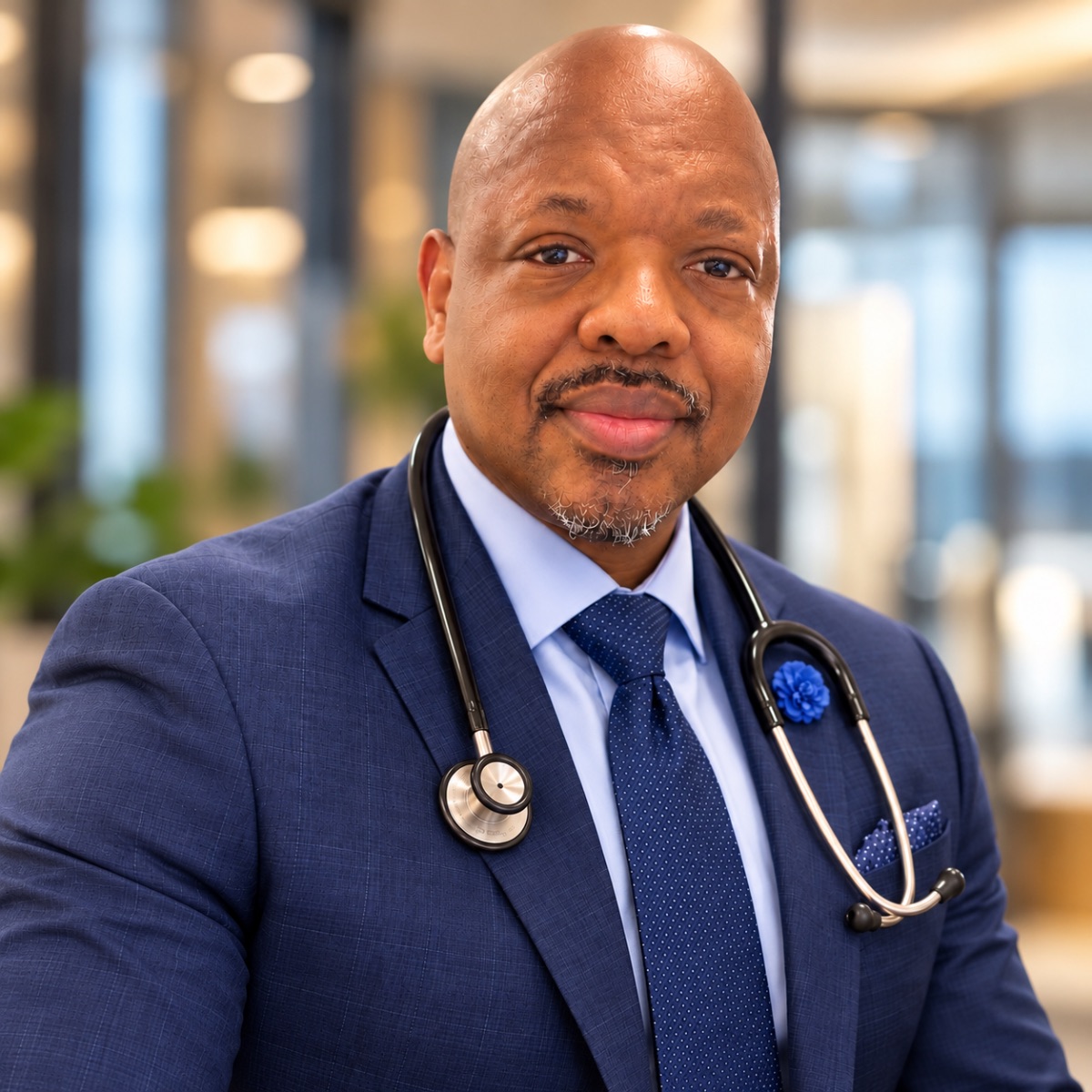
Dr. Keith H. is an Internal Medicine physician with more than 20 years of clinical practice, mentoring, and leadership experience. His background spans several areas of medicine, including complex chronic disease management, metabolic medicine, hormone replacement therapy (HRT), obesity care, and cardiovascular risk reduction.
Collaborates with Illinois nurse practitioners

Emergency Medicine Physician | Trauma & Critical Care Trained | NP-Friendly Collaborator Dr. Harrison W. is an Emergency Medicine-trained physician with hands-on experience in one of the busiest trauma centers in the country. He completed his residency at St.
Collaborates with Illinois nurse practitioners · also licensed in 3 other states
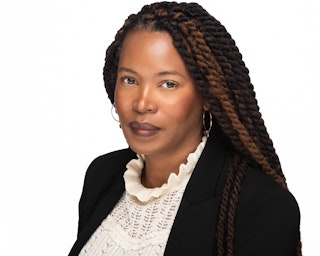
Dr. Michelle A. is a patient-focused Family Medicine physician and experienced Medical Director with more than 20 years of clinical, operational, and leadership experience across diverse healthcare settings. Throughout her career, she has combined strong clinical expertise with strategic healthcare leadership, focusing on improving patient outcomes, expanding access to care…
Collaborates with Illinois nurse practitioners

Dr. Tameem M. is a physician with experience in primary care, medical aesthetics, and addiction medicine. Throughout his career, he has worked closely with Nurse Practitioners and Physician Assistants, building strong professional relationships based on communication, mutual respect, and teamwork. Dr. Tameem M.
Collaborates with Illinois nurse practitioners · also licensed in 3 other states
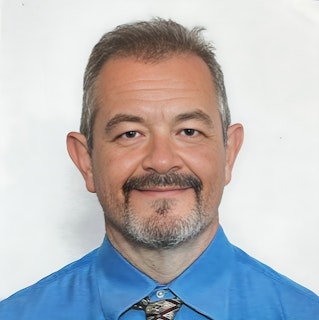
Board-Certified Psychiatrist | Child, Adolescent & Adult Psychiatry | Medical Director | 20+ Years of Experience About Dr. Alfredo S. Dr. Alfredo S. is a board-certified psychiatrist with more than 20 years of experience across a wide range of clinical, administrative, and telehealth settings.
Collaborates with Illinois nurse practitioners · also licensed in 13 other states
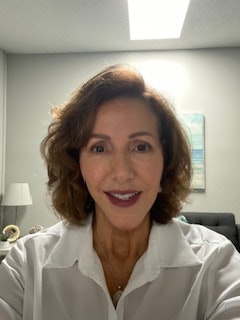
Dr. Eleanor T. is a board-certified general adult psychiatrist with extensive experience in treating a wide range of mental health conditions. With a strong foundation in both psychiatry and psychiatric nursing, she brings a unique perspective to her practice. Before becoming a psychiatrist, Dr. T.
Collaborates with Illinois nurse practitioners · also licensed in 8 other states

Dr. Emil F. is a board-certified internal medicine physician with over a decade of experience spanning inpatient, outpatient, and leadership roles. A graduate of the University of Missouri–Kansas City’s six-year combined BA/MD program, Dr. Emil F.
Collaborates with Illinois nurse practitioners

Dr. Tahira J. is a board-certified family medicine physician with fellowship training in Integrative Medicine and a career dedicated to expanding access to high-quality care through telemedicine, leadership, and interdisciplinary collaboration.
Collaborates with Illinois nurse practitioners · also licensed in 5 other states

Dr. Sofia S. is a board certified psychiatrist with a diverse clinical background spanning forensic psychiatry, community mental health, women’s mental health, and substance use treatment. She completed her psychiatry residency at the University of Illinois Chicago, where she served as Education Chief Resident and Women’s Mental Health Fellow, reflecting…
Collaborates with Illinois nurse practitioners · also licensed in 3 other states
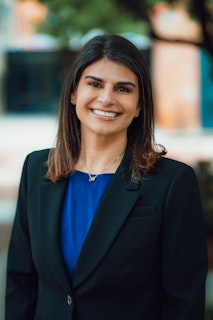
I am currently the Medical Director at a health management company and a former faculty member at Johns Hopkins. With an established 18-year tenure at Johns Hopkins, where I gained my training and later served as a faculty member, I have developed an extensive background in psychiatry with a special…
Collaborates with Illinois nurse practitioners · also licensed in 12 other states
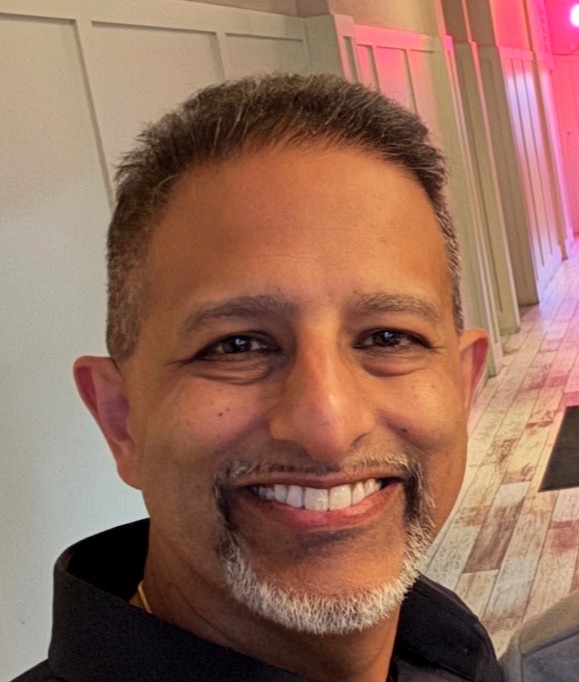
Dr. Chirag R. is a psychiatrist with 22 years of clinical practice and teaching experience. Throughout his career, he has treated a broad range of psychiatric conditions, with particular experience in mood and anxiety disorders as well as severe mental illness.
Collaborates with Illinois nurse practitioners · also licensed in 2 other states
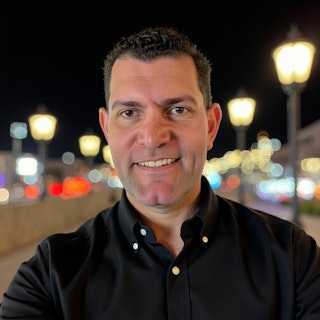
I am a board-certified Family and Addiction Medicine physician with over 15 years of experience spanning primary care, occupational health, aerospace medicine, and behavioral health. Licensed in all 50 states, I currently serve as Chief Medical Officer at Better U and CEO of Bespoke Concierge MD, where I design patient-centered…
Collaborates with Illinois nurse practitioners · also licensed in 36 other states
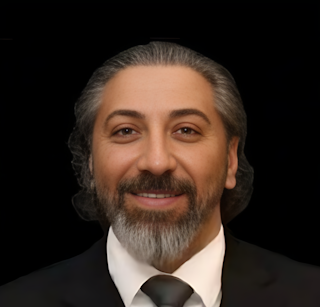
Dr. Sam S. is a licensed psychiatrist with a deep commitment to collaborative, patient-centered mental health care. With experience spanning inpatient, outpatient, and telepsychiatry settings, he brings both clinical insight and academic rigor to every partnership. In addition to his medical training, Dr. S.
Collaborates with Illinois nurse practitioners · also licensed in 6 other states
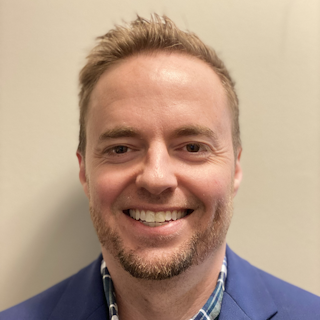
Dr. Andrew O. is an experienced psychiatrist with a strong background in collaborative care and physician leadership across diverse mental health settings. He has worked in inpatient, outpatient, and telepsychiatry environments and has held leadership roles that focus on expanding access to high-quality psychiatric services. Dr. Andrew O.
Collaborates with Illinois nurse practitioners · also licensed in 3 other states
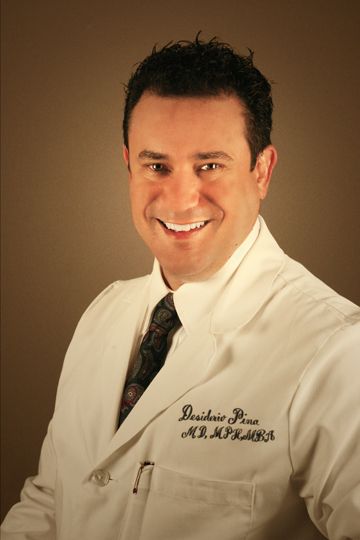
Dr. Desiderio P. is a double board-certified psychiatrist in General Psychiatry and Psychosomatic Medicine (Consultation-Liaison Psychiatry) with a diverse and accomplished career spanning clinical practice, healthcare leadership, medical education, research, and innovation. Originally from New York, Dr. Desiderio P.
Collaborates with Illinois nurse practitioners · also licensed in 6 other states
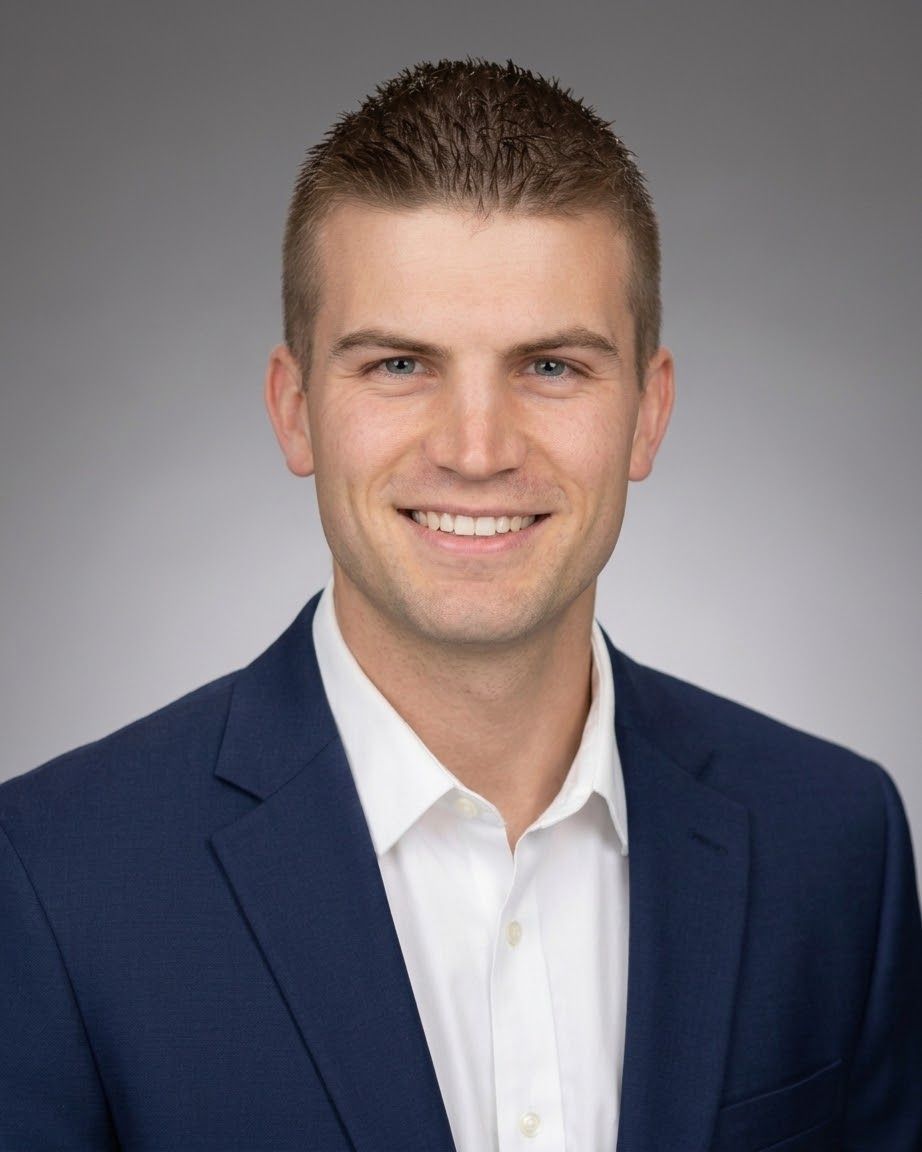
Dr. Dalton B. is a Child, Adolescent, and Adult Psychiatrist with extensive experience across academic, civilian, and Department of War (DoW) healthcare systems. His clinical background combines psychiatric care, medical leadership, clinical education, and telepsychiatry, allowing him to support a diverse range of clinical settings and NP-led practices.
Collaborates with Illinois nurse practitioners · also licensed in 15 other states
FREQUENTLY ASKED QUESTIONS
Disclaimer: This page summarizes NP Collaborator's interpretation of Illinois statutes, Board of Nursing rules, and DEA regulations governing nurse practitioner collaborative practice as of the date shown above. It is provided for informational purposes only and does not constitute legal, regulatory, or clinical advice. Laws and rules change — always verify current requirements directly with the Illinois Board of Nursing or a qualified healthcare attorney before making practice decisions.
Do I need a collaborating physician in Illinois?
Yes, if you haven't yet completed your 4,000 hours of clinical practice and 250 hours of continuing education/training and been granted the Full Practice Authority (FPA-APRN) license as part of the licensed nurse practitioner pathway in Illinois. Once granted, a formal CPA is no longer required, though consultation is still encouraged.
What is the 4,000-hour requirement?
Illinois requires NPs to complete 4,000 hours of clinical practice under a written CPA, along with 250 hours of continuing education or training, before applying for full independent practice authority.
What are the legal requirements for an Illinois CPA?
A valid CPA must be written, signed by both parties, and include categories of care, consultation provisions, referral protocols, delegated prescriptive authority (with Schedule II named), and a quality assurance plan. It must be kept on-site and reviewed annually. In practice, these legal requirements sit alongside licensure steps, and national certification from a recognized credentialing body is part of the broader educational and certification standards tied to practice authority (AANP data). Illinois NP applicants must also complete a criminal background check as part of licensure.
Does Illinois have a physician-to-NP ratio cap?
No. There is no statutory limit on how many NPs an Illinois physician can collaborate with, provided adequate consultation is available.
Sources & References
Nurse Practice Act — 225 ILCS 65 / Nurse Practice Act — Primary Illinois statute governing nursing practice and the legal framework for APRNs in Illinois.
APRN collaborative agreement rules — 68 Ill. Adm. Code 1300 — Illinois administrative rules governing APRN practice, including the collaboration agreement structure and related practice requirements.
Controlled-substance delegation/exhibit — 68 Ill. Adm. Code 1300E, Exhibit A — Published Illinois APRN collaboration exhibit addressing controlled-substance-related collaboration details.
Nurse Practice Act (controlled substance practice) — 225 ILCS 65 / Nurse Practice Act — Illinois statutory basis for APRN prescriptive authority, including controlled-substance practice.
Further guidance
AANP Illinois practice environment — AANP: Illinois — National practice-authority summary describing Illinois as a reduced-practice state.
AANP state practice environment — AANP: Practice Information by State — State-by-state NP practice environment resource.
NCSBN APRN practice authority map — NCSBN: NPA — National APRN practice-authority comparison resource.
National Council of State Boards of Nursing, APRN Practice resources — Guidance on APRN collaboration and conferral requirements across states.
American Medical Association, Telehealth Quick Guide — Practical telehealth implementation guidance, including patient-location considerations.
21 C.F.R. Part 1306 — Federal DEA prescription requirements for controlled substances.
Related resources
NP Collaborative Agreement Template (Free Download)
Get a free 50+ page collaborative agreement template covering all 50 states. Includes sample language, filing requirements and NP-protective clauses.
Read moreGuidesBrowse All NP Resources
Guides, comparisons, templates and tools for nurse practitioners in one place.
Read moreComparisonsBest Collaborating Physician Platforms (2026)
Honest comparison of the top NP collaborating physician platforms. Transparent all-inclusive pricing starting at $424/mo.
Read moreToolsNP Collaboration Savings Calculator
Calculate how much you can save on collaboration fees. Compare costs and find the best rates in your state.
Read more