In Georgia, every nurse practitioner needs a written nurse protocol agreement with a delegating physician to practice. Georgia is classified as a restricted-practice state by AANP. APRNs can prescribe Schedule III–V controlled substances but are generally prohibited from prescribing Schedule II, with a narrow emergency exception. The delegating physician must be within 50 miles and can collaborate with up to four APRNs (or up to 8 combined APRNs and PAs at accredited facilities) under O.C.G.A. § 43-34-25(g)(1).
Quick Answer: Yes. Georgia is a restricted-practice state, so a nurse practitioner practices under a written nurse protocol agreement with a delegating physician under Georgia APRN rules. The agreement should define scope, prescribing parameters, consultation workflow, and chart review procedures, and the relationship is tied to the state's APRN protocol framework.
Georgia's nurse practitioner regulatory landscape reflects a collaborative practice model with specific requirements overseen by the Georgia Board of Nursing. Nurse practitioners must comply with applicable Georgia laws and obtain board authorization from the Georgia Board of Nursing before practicing. The state recognizes nurse practitioners as valuable members of the healthcare team while maintaining physician collaboration standards designed to ensure coordinated care and patient safety throughout Georgia's diverse healthcare settings.
Requirement | Details |
|---|---|
Practice Authority Type | Restricted Practice with Formal Physician Relationship |
Collaboration Requirement | Written nurse protocol agreement mandatory for all NP practice |
Delegating Physician Requirement | One delegating physician required per NP for prescriptive authority |
Chart Review Requirement | Physician chart review required; Georgia mandates statutory minimums (100% of controlled substance records quarterly, 100% of adverse outcomes within 30 days, ≥ 10% of all other records annually) per Ga. Comp. R. & Regs. R. 360-32-.02 |
Prescriptive Authority | Schedule III–V controlled substances; Schedule II is generally prohibited except a narrow emergency exception for hydrocodone/oxycodone compounds under O.C.G.A. § 43-34-25(d.1) |
Governing Board | Georgia Board of Nursing |
License Expiration Date | Licenses expire biennially; renewal must be completed before the expiration date to maintain practice authorization. |
Renewal License Period | Biennial renewal license period; NPs must renew every two years and meet all renewal requirements. |
Completed Board Application | A completed board application with all required documentation is necessary for initial licensure. |
Required Fee | Applicants must pay the required fee for both initial licensure and each renewal period as part of compliance. Protocol agreements filed under O.C.G.A. § 43-34-25 (with prescriptive authority) require a $150 filing fee to the Georgia Composite Medical Board. |
Find a Collaborating Physician in Georgia
Marketplace physician profiles omitted as requested. 18 physicians are listed.
Key Requirements at a Glance
Topic | What the page covers | Source |
|---|---|---|
Practice authority | Georgia follows an APRN practice framework under Board of Nursing rules rather than full independent NP practice. | APRN practice rules — Ga. Comp. R. & Regs. Ch. 410-11 |
Nurse protocol agreement | Georgia APRN practice under a protocol agreement is governed by the APRN protocol rule and the state registration process. | APRN protocol / collaboration rule — Ga. Comp. R. & Regs. R. 410-11-.03 |
Protocol registration | The state maintains an APRN protocol registration process connected to the delegating physician relationship. | APRN protocol registration — Georgia Composite Medical Board APRN Protocol Registration |
Chart review | Georgia oversight includes Board review of nurse protocol agreements; strong agreements spell out how chart review will be documented. | Nurse protocol agreements reviewed by Board — Georgia Composite Medical Board: Nurse protocol agreements reviewed by Board |
Controlled substances | APRN prescribing authority is governed by Georgia nursing rules and also by federal DEA prescription rules. | Controlled substance prescribing rules — Ga. Comp. R. & Regs. Ch. 410-10 |
Telehealth | Telehealth practice should stay aligned with Georgia APRN licensure and protocol requirements. | How to guide for APRNs — Georgia Secretary of State / Board of Nursing APRN guide |
Collaboration ratio | Georgia's APRN rule chapter is the primary place to evaluate collaboration structure and any capacity limits. A delegating physician may collaborate with no more than 4 APRNs at one time (or up to 8 combined APRNs/PAs at accredited facilities). | APRN protocol / physician collaboration requirements — Ga. Comp. R. & Regs. Ch. 410-11 |
Find a Collaborating Physician in Georgia
18 physicians currently available • Listed fees: $499–$1,149/mo
Fair Price median: $649/mo [see data →] • Updated November 2026
| Physician | Specialty | Fee/mo |
|---|---|---|
| Amy M, MD | Primary Care, Tele | $499 |
| Elie H, MD | Primary Care, Medical Weight Loss | $539 |
| Etienne R, MD | Mental Health, Primary Care | $548 |
| Cheickna D, MD | Urgent Care, Medical Aesthetics | $549 |
| Alexis A, MD | Medical Aesthetics, Medical Weight Loss | $549 |
How Nurse Practitioner Practice Works in Georgia
Georgia recognizes nurse practitioners as advanced practice nurses capable of independent clinical assessment and treatment planning within defined collaborative frameworks. Ga. Comp. R. & Regs. R. 410-11-.03 establishes nurse practitioner practice standards and collaborative practice requirements. Licensed practice as a nurse practitioner in Georgia requires meeting board criteria and adhering to board rules set by the Georgia Board of Nursing.
Your practice authority in Georgia flows through a relationship with a delegating physician. Unlike states with purely autonomous models or heavy supervision requirements, Georgia's collaborative approach requires meaningful partnership without demanding daily oversight. National certification verification is required for advanced registered nursing practice, and the certification process is overseen in part by the Georgia Composite Medical Board.
Georgia operates two legal frameworks for nurse protocol agreements: O.C.G.A. § 43-34-23 (no prescriptive authority — agreement kept on-site, not filed with the Board) and O.C.G.A. § 43-34-25 (with prescriptive authority — must be filed with the Georgia Composite Medical Board within 30 days with a $150 filing fee, and prescriptive authority is not granted until the Board officially approves the agreement).
Prescriptive Authority and Nurse Protocol Agreement: What Matters
Your Georgia collaborative agreement constitutes a formal legal document establishing the terms of your relationship with your delegating physician. This agreement requires careful development and should address multiple dimensions of your collaborative practice.
Patient population scope: Clearly define which patient ages, acuity levels, and diagnostic categories you manage
Prescriptive authority limits: Specify which medication classes and drug types you can prescribe independently, including regulatory requirements for prescribing controlled substances. The agreement must outline the need for physician oversight and protocols for prescribing controlled substances as defined by Georgia law and the collaborative agreement.
Controlled substance parameters: Detail any limitations on Schedule III–V prescribing. Note that Georgia APRNs are generally prohibited from prescribing Schedule II controlled substances, except that delegating physicians may authorize qualified APRNs to issue emergency prescriptions for hydrocodone, oxycodone, and their compounds under O.C.G.A. § 43-34-25(d.1) (limited to a 5-day supply for patients 18 and older, with additional CE and protocol requirements).
Clinical consultation requirements: Establish when consultation is required, expected response times, and documentation protocols
Chart review schedule: Georgia law mandates specific minimums — 100% of controlled substance records quarterly, 100% of adverse outcome records within 30 days, and at least 10% of all other records annually (Ga. Comp. R. & Regs. R. 360-32-.02). Your agreement may specify more frequent review.
Communication protocols: Specify how you'll contact your physician for consultations and how often you'll meet directly. Georgia requires quarterly clinical collaboration meetings and at least one annual direct onsite observation by the delegating physician.
Treatment protocol guidelines: Include any standing orders or clinical protocols your physician establishes
Termination and transition: Address notice periods, how patient care transfers if collaboration ends, and transition procedures
Georgia boards may request your collaborative agreement during licensure renewal, so ensuring comprehensive documentation matters significantly.
Controlled Substance Prescribing Rules in Georgia
Georgia grants controlled substance prescriptive authority to nurse practitioners with appropriate DEA registration, but with significant limits. Georgia APRNs may prescribe Schedule III through Schedule V controlled substances within the parameters of their nurse protocol agreement. Schedule I and Schedule II controlled substances are generally prohibited. A narrow emergency exception under O.C.G.A. § 43-34-25(d.1) allows a delegating physician to authorize a qualified APRN to issue prescription drug orders for hydrocodone, oxycodone, and their compounds, limited to a 5-day supply for patients 18 years of age or older, with the APRN required to have at least one year of post-licensure clinical experience and to complete 1 hour of biennial CE on the ordering and use of those substances. Prescribing controlled substances in Georgia requires adherence to protocols established in collaboration with a delegating physician, as mandated by the Georgia Composite Medical Board.
Georgia law requires that nurse practitioners have a written protocol agreement with a delegating physician to prescribe medications, including controlled substances.
DEA registration follows standard federal procedures with no Georgia-specific complications. The delegating physician must provide the APRN's DEA registration number to the Georgia Composite Medical Board within 30 days of its issuance.
Collaborating Physician Rules and Limitations
What Georgia says about the collaborating physician relationship
Georgia's APRN rule chapter is the main state source for collaboration structure, and the protocol relationship is also tied to the state registration process. For that reason, the first documents to review are APRN protocol / physician collaboration requirements — Ga. Comp. R. & Regs. Ch. 410-11 and APRN protocol registration — Georgia Composite Medical Board APRN Protocol Registration.
From an operations standpoint, the best fit is a collaborating physician whose clinical scope, availability, and documentation habits match the NP's patient population and practice model. Ask the capacity question first: if a physician is already covering other advanced practice relationships, the agreement should still leave enough room for timely consultation, protocol maintenance, and documented chart review.
Key operational requirements for the delegating physician in Georgia:
Ratio limit: A delegating physician may collaborate with no more than 4 APRNs at one time, or up to 8 combined APRNs and PAs at accredited facilities.
Geographic proximity: The delegating physician's principal place of practice must be in Georgia or within 50 miles of the site where the nurse protocol agreement is utilized. Virtual addresses and P.O. boxes do not qualify.
Specialty comparability: The delegating physician's specialty must be comparable to the APRN's area of practice.
Annual onsite observation: The delegating physician must conduct direct, onsite observation of the APRN's practice at least once per year.
Quarterly collaboration meetings: Documented quarterly clinical collaboration meetings are required.
Chart review minimums: 100% of controlled substance records quarterly; 100% of adverse outcome records within 30 days; ≥ 10% of all other records annually.
Georgia Board of Nursing Compliance Expectations You Should Not Ignore
Georgia boards conduct practice audits examining your charts, documentation, and collaboration evidence. These audits can be triggered by licensure renewal, complaints, controlled substance prescribing anomalies, or random selection.
Chart documentation should demonstrate thorough clinical assessment, appropriate differential diagnosis development, and sound treatment reasoning. Each chart should reflect NP-level clinical thinking—not merely executing physician-directed orders.
Physician collaboration should be evident in your documentation. This means periodic chart review notes from your delegating physician, documented consultations, or other evidence that your physician actively participates in your clinical decision-making. Charts reviewed by auditors should show this collaboration evidence.
Telemedicine and Remote Collaboration
Telehealth and remote collaboration in Georgia
Telehealth does not remove the need to stay inside Georgia's APRN licensure and protocol framework. The best starting point is the official How to guide for APRNs — Georgia Secretary of State / Board of Nursing APRN guide, then the APRN rule chapter at Ga. Comp. R. & Regs. Ch. 410-11.
For day-to-day operations, remote collaboration usually works best when the nurse protocol agreement explains how consultation will occur, how chart review will be documented, and which telehealth services fit the practice scope. Before adding telehealth across state lines, map each state where patients will actually be sitting — that is where licensure and the collaborative-agreement requirement attach, not where the clinician is, as reflected in national telehealth guidance from the American Medical Association, Telehealth Quick Guide.
The 50-mile geographic proximity rule for the delegating physician applies to the location of the patient at the time services are rendered, covering both in-person and telehealth encounters.
Georgia Collaborating Physician Cost Reference
Source: NP Collaborator Fair Price Report, Edition 1, 2026. Figures reflect real signed collaboration agreements, not survey estimates or vendor list prices.
See the full Georgia collaborating physician cost breakdown →
Why NP Collaborator Is a Smarter Choice
Finding qualified collaborating physicians in Georgia presents challenges, particularly in rural areas where physician supply remains limited. Traditional networking approaches—cold-calling physicians, asking colleagues for referrals, or waiting for serendipitous introductions—consume months and produce variable results.
NPCollaborator eliminates physician-search friction by connecting you with pre-vetted collaborators specifically matched to Georgia practice settings and your clinical specialty. Instead of approaching busy physicians cold, you access physicians already committed to NP collaboration.
Speed matters when establishing Georgia practice. Rather than months of physician networking, you can activate collaboration within days. This timeline advantage accelerates practice launch and revenue generation.
Transparent pricing eliminates negotiation friction. Rather than endless discussions about fees, you know upfront what collaboration costs, what services are included, and what compliance support you receive.
Finding the Right Collaborating Physician in Georgia
Traditional physician search methods remain viable in Georgia but consume significant time. Many successful NPs identify collaborators through hospital privileges, professional networking, or medical society connections.
Challenges independent NPs face include geographic mismatch (physician in Atlanta supervising NP in rural Georgia — note the 50-mile proximity rule), limited physician availability (many experienced physicians already supervise multiple providers and may be at their 4-APRN cap), unclear expectations around collaboration intensity, and cost negotiations creating friction.
Some NPs informally approach physicians without formal agreements, hoping collaboration will develop naturally. This creates compliance vulnerability—boards expect documented agreements, not handshake arrangements.
Smarter approaches leverage existing networks of willing collaborators. Modern platforms pre-vet physicians, establish clear expectations, and handle administrative details that typically consume significant time in traditional processes.
Physician Fit Checklist
Beyond credentials and license status, successful Georgia collaboration depends on interpersonal and practice factors:
Communication responsiveness: Can you reach your physician when consultation is needed? Delayed responses undermine collaboration.
Clinical trust: Does your physician trust your clinical judgment, or do they micromanage your decisions?
Georgia knowledge: Does your collaborator understand Georgia's specific board requirements and regulatory environment?
Specialty alignment: Georgia requires specialty comparability between the delegating physician and APRN, so shared clinical interests are not just a preference but a regulatory requirement.
Stability: Is your collaborator likely to practice in Georgia long-term, or might they relocate soon?
Administrative support: Will your collaborator assist with credentialing, insurance participation, or other business logistics?
Flexibility: Is your collaborator willing to adapt protocols to your practice style, or must you practice their way?
Professional respect: Does your collaborator view you as a valued colleague or as subordinate staff?
What Matters Beyond Credentials
Credentials provide baseline qualifications, but reliability and engagement predict collaboration success. A competent but inattentive physician creates more problems than a less prominent physician genuinely committed to your success.
Long-term commitment provides stability. Collaborators planning to practice in Georgia long-term build more sustainable relationships than physicians who might retire or relocate within a year.
Responsiveness matters more than geographic proximity. A physician in a different Georgia region who responds quickly serves better than a local physician difficult to reach.
Shared clinical philosophy reduces friction. Collaborators practicing similarly to your approach support your work naturally rather than constantly suggesting modifications.
Professional Liability and Risk Management
For every advanced practice registered nurse in Georgia, professional liability and risk management are foundational to a successful and sustainable career. As a nurse practitioner delivering advanced practice nursing care, you face unique responsibilities and potential risks that require proactive strategies to safeguard your license, reputation, and financial security.
The Georgia Board of Nursing sets clear expectations for advanced practice nursing, requiring nurse practitioners to maintain current national certification in their respective nurse practitioner specialty. This not only demonstrates your commitment to excellence but also ensures you are practicing within the latest standards of advanced nursing practice. Staying current with your certification and completing required continuing education—such as advanced physical assessment and pharmacology courses—are essential steps in reducing liability and maintaining compliance with Georgia law.
A cornerstone of risk management in Georgia is the nurse protocol agreement with your delegating physician. This document defines your scope of practice, prescriptive authority, and clinical responsibilities, providing clarity on the division of duties and legal accountability. A well-crafted protocol agreement helps prevent misunderstandings and protects both you and your delegating physician from potential liability.
Disclaimer: This page summarizes NP Collaborator's interpretation of Georgia statutes, Board of Nursing rules, and DEA regulations governing nurse practitioner collaborative practice as of the date shown above. It is provided for informational purposes only and does not constitute legal, regulatory, or clinical advice. Laws and rules change — always verify current requirements directly with the Georgia Board of Nursing or a qualified healthcare attorney before making practice decisions.
Georgia Fair Price benchmark (2026)
From 50+ signed contractsSource: NP Collaborator Fair Price Report, Edition 1, 2026. Figures reflect real signed collaboration agreements, not survey estimates or vendor list prices.
See the full Georgia collaborating physician cost breakdown →Find a Collaborating Physician in Georgia
18 verified physicians ready to collaborate · Fees $499–$1,149/mo

Dr. Amy M – Board-Certified Pulmonary, Critical Care, and Sleep Medicine Specialist Expert in Sleep Medicine, Pulmonary Disease, and Critical Care About Dr. Amy M Dr. Amy M is a double board-certified physician in Critical Care and Sleep Medicine, with more than 25 years of experience in complex respiratory and…
Collaborates with Georgia nurse practitioners · also licensed in 20 other states

Dr. Cheickna D. is a board-certified General Surgeon with 16 years of experience in general surgery, acute care surgery, trauma, perioperative management, and surgical decision-making. His extensive clinical background includes the management of acute surgical conditions, postoperative care, wound care, abdominal disorders, surgical complications, and patients requiring comprehensive perioperative management.
Collaborates with Georgia nurse practitioners · also licensed in 2 other states

Dr. Alexis A. is a board-certified Anesthesiologist with a strong clinical background in perioperative medicine and a current focus on medical aesthetics. Throughout her career, she has worked in collaborative healthcare environments that required close coordination with advanced practice providers, particularly Certified Registered Nurse Anesthetists (CRNAs), fostering a deep appreciation…
Collaborates with Georgia nurse practitioners · also licensed in 1 other state

Dr. Felix B. is an Emergency Medicine physician with more than 17 years of experience providing high-quality care in emergency medicine, urgent care, and primary care settings. As the owner and Medical Director of two successful urgent care clinics, he has dedicated his career to delivering efficient, patient-centered care while…
Collaborates with Georgia nurse practitioners

Dr. Donald O. is a psychiatrist, sleep medicine physician, and founder of Qali Health. His clinical approach begins with understanding what patients are experiencing, when their symptoms began, and how those symptoms affect their daily lives.
Collaborates with Georgia nurse practitioners · also licensed in 1 other state

Dr. Jennifer W. is an Internal Medicine physician with more than 20 years of clinical experience providing comprehensive care across a wide range of healthcare settings, including hospital medicine, primary care, women's health, hospice, medical aesthetics, wellness medicine, and virtual healthcare.
Collaborates with Georgia nurse practitioners · also licensed in 1 other state
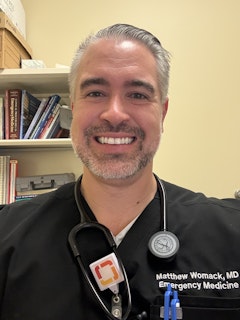
Dr. Matthew W. is a board-certified emergency medicine physician with extensive experience in acute care, medical weight loss therapy, wound care, and virtual primary and urgent care. He has a strong background in managing complex and urgent medical conditions, providing high-quality care in fast-paced clinical environments. Dr. Matthew W.
Collaborates with Georgia nurse practitioners

Dr. Nathan S. is a board-certified emergency medicine physician and nationally recognized leader in prehospital and critical care medicine with more than two decades of experience spanning emergency departments, air medical services, and EMS systems.
Collaborates with Georgia nurse practitioners

Dr. Joshua A. is a board-certified physician in General Surgery, Cardiothoracic Surgery, and Critical Care, with extensive experience managing complex surgical and critically ill patients. His clinical practice spans the full continuum of perioperative and intensive care, where he works closely with multidisciplinary teams to deliver safe, evidence-based, and patient-centered…
Collaborates with Georgia nurse practitioners · also licensed in 1 other state

Dr. Farida K. is a board-certified pediatrician practicing in Duluth, Georgia, who has focused much of her clinical work on urgent care pediatrics. She graduated from the University of Virginia School of Medicine and completed her pediatric residency training at Emory University / Children’s Healthcare of Atlanta.
Collaborates with Georgia nurse practitioners
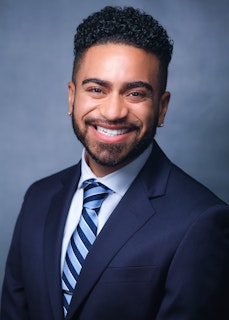
I am ophthalmologist and oculofacial surgeon currently working in a private practice who is passionate about all things health and wellness. I enjoy not only treating medical conditions of the eyes and face, but also helping patients optimize nutrition, skin care, and medical treatments to optimize the health and beauty…
Collaborates with Georgia nurse practitioners · also licensed in 2 other states

Dr. Alaa A. is an emergency medicine physician affiliated with Wellstar in Georgia. She practices in Marietta and the Atlanta region, bringing a patient-centered, holistic approach to acute care. With training in osteopathic medicine, Dr. Alaa A.
Collaborates with Georgia nurse practitioners · also licensed in 2 other states
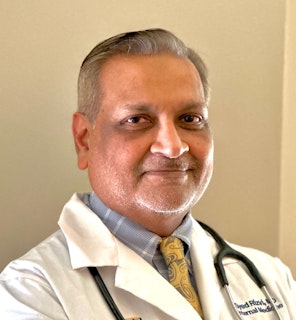
Dr. Syed R. is a board-certified Internal Medicine physician with over three decades of clinical experience in adult outpatient care. He currently practices as an employed physician in Georgia, where he provides comprehensive primary and chronic disease management for a diverse adult population. Throughout his career, Dr. Syed R.
Collaborates with Georgia nurse practitioners

Dr. Darlene O. is a board-certified Family Medicine physician with broad clinical experience spanning primary care, urgent care, telemedicine, obesity medicine, and integrated behavioral health. She is currently completing a Global Health Fellowship through June 2026, further expanding her expertise in delivering adaptable, patient-centered care across diverse healthcare environments and…
Collaborates with Georgia nurse practitioners · also licensed in 1 other state

Dr. Donald O. is a psychiatrist, sleep medicine physician, and founder of Qali Health. His clinical approach begins with understanding what patients are experiencing, when their symptoms began, and how those symptoms affect their daily lives.
Collaborates with Georgia nurse practitioners
Dr. Elie H. is a physician with more than 20 years of clinical experience providing comprehensive medical care across correctional medicine, primary care, telemedicine, hospice, long-term care, and healthcare leadership.
Collaborates with Georgia nurse practitioners · also licensed in 2 other states

Dr. Etienne R. is a board-certified Family Medicine physician with 14 years of clinical experience providing comprehensive care across urgent care, primary care, and telemedicine. His diverse background has equipped him with the knowledge and flexibility to care for patients with a wide range of acute and chronic medical conditions…
Collaborates with Georgia nurse practitioners · also licensed in 6 other states

Dr. Raj L. is a double board-certified psychiatrist specializing in both Child and Adolescent Psychiatry and Adult Psychiatry. He brings extensive experience in traditional psychiatric care as well as integrative approaches to mental health, functional medicine, and regenerative therapies.
Collaborates with Georgia nurse practitioners · also licensed in 1 other state
Frequently Asked Questions
Does my collaborating physician need to work at my clinic location?
No. Georgia permits geographic separation between you and your delegating physician, subject to the 50-mile proximity rule — the physician's principal place of practice must be in Georgia or within 50 miles of your practice site (virtual addresses and P.O. boxes do not qualify). You must be able to consult when needed, and your collaboration must reflect genuine partnership. Entirely remote arrangements without any communication create compliance risk.
Can my collaborating physician supervise other NPs simultaneously?
Yes. Georgia law permits one physician to collaborate with up to 4 APRNs at one time (or up to 8 combined APRNs and PAs at accredited facilities). However, the physician should maintain adequate oversight of all relationships through documented chart reviews and consultations.
What happens if my collaborating physician relocates out of state?
Your collaboration ends unless the physician's new principal place of practice remains within 50 miles of your practice site. You'll need to establish a new collaborative relationship with another qualified delegating physician before continuing independent prescriptive authority. Some agreements include transition periods.
How often must my collaborating physician review my charts?
Georgia law sets specific minimums: 100% of controlled substance records must be reviewed and signed at least quarterly, 100% of adverse outcome records within 30 days, and at least 10% of all other patient records annually (Ga. Comp. R. & Regs. R. 360-32-.02). Your agreement may specify more frequent review. Additionally, quarterly clinical collaboration meetings and at least one annual onsite observation are required.
Can I prescribe controlled substances if my physician is unavailable temporarily?
Your collaborative agreement should address temporary physician absence. Most agreements allow continued prescribing within defined parameters during brief absences, with documentation of the absence and any case consultations with alternate physicians.
What if I disagree with my collaborating physician about patient care?
Document the disagreement in the patient's chart. Discuss your concerns directly with your physician, presenting evidence for your clinical position. If you can't reach agreement, you can escalate through institutional channels or seek consultation from another physician, but you cannot proceed against explicit physician direction.
How long should collaborative agreements last?
Georgia collaborative agreements typically run one to three years with annual review options. Many include automatic renewal provisions unless either party provides notice.
What is the certification process for aspiring nurse practitioners in Georgia?
Aspiring nurse practitioners in Georgia must complete a graduate-level nurse practitioner program and obtain national certification in their chosen specialty, such as mental health, women's health, or pediatric care. The certification process involves passing a national certification exam and meeting all educational and clinical requirements. During licensure and onboarding, the Georgia Board of Nursing conducts national certification verification, often using primary source systems like Nursys, to ensure credentials are valid and current. Maintaining active national certification is required to continue practicing as an APRN in Georgia.
What are the continuing education and renewal requirements for nurse practitioners in Georgia?
Nurse practitioners in Georgia must renew their licenses every two years. To qualify for renewal, they are required to complete 30 hours of continuing education (CE) every two years. APRNs practicing under a nurse protocol agreement must also receive annual pharmacology training appropriate to the delegating physician's scope of practice, as documented by the delegating physician (no specific hour count is mandated by the Board of Nursing for this). If the APRN is authorized to prescribe emergency Schedule II substances (hydrocodone/oxycodone), 1 hour of biennial CE on those substances is required. Nurse practitioners must maintain active national certification and keep documentation of their CE for at least four years in case of a Board audit. The Georgia Board of Nursing may verify national certification status directly with the certifying organization during the renewal process to ensure compliance and ongoing competency.
Final Thoughts
Sources & References
Georgia Board of Nursing (official) — Official Georgia Board of Nursing homepage.
Georgia Nursing Board rules and laws — Ga. Comp. R. & Regs. Ch. 410 — Georgia Board of Nursing rule chapter governing nursing practice, including APRN practice requirements.
APRN practice rules — Ga. Comp. R. & Regs. Ch. 410-11 — Georgia APRN rules, including APRN practice structure and related collaboration requirements.
APRN protocol / collaboration rule — Ga. Comp. R. & Regs. R. 410-11-.03 — Georgia APRN protocol framework and requirements for practice under a protocol agreement.
APRN protocol registration — Georgia Composite Medical Board APRN Protocol Registration — State process for APRN protocol registration with the delegating physician relationship.
Nurse protocol agreements reviewed by Board — Georgia Composite Medical Board: Nurse protocol agreements reviewed by Board — Board review of nurse protocol agreements and related oversight of collaborative practice arrangements.
Controlled substance prescribing rules — Ga. Comp. R. & Regs. Ch. 410-10 — Georgia nursing rules on controlled substances and related APRN prescriptive authority.
How to guide for APRNs — Georgia Secretary of State / Board of Nursing APRN guide — Official Georgia APRN guidance, including practical practice considerations.
NP Collaborator Fair Price for Collaboration Report — Georgia — Georgia collaborating physician cost data.
Further guidance
21 C.F.R. Part 1306 — Federal DEA prescription rules for controlled substances.
42 C.F.R. § 410.75 — Medicare conditions for coverage of nurse practitioners' services.
42 C.F.R. § 491.8 — Federal physician review requirements relevant to RHC/FQHC staffing and records review.
AANP: Georgia — Practitioner-friendly summary of the Georgia NP practice environment.
AANP: State Practice Environment — National APRN practice environment guidance.
National Council of State Boards of Nursing, APRN Practice resources — APRN collaboration and conferral guidance.
NCSBN, Consensus Model for APRN Regulation — National APRN regulatory framework.
CMS, Medicare Benefit Policy Manual, Ch. 15 — Federal payment and documentation guidance for NP services.
American Medical Association, Telehealth Quick Guide — Practical telehealth implementation guidance.
O.C.G.A. § 43-34-25 — Georgia statute governing APRN prescriptive authority and nurse protocol agreements.
Ga. Comp. R. & Regs. R. 360-32-.02 — Georgia Composite Medical Board oversight standards for delegating physicians.
Related resources
NP Collaborative Agreement Template (Free Download)
Get a free 50+ page collaborative agreement template covering all 50 states. Includes sample language, filing requirements and NP-protective clauses.
Read moreGuidesBrowse All NP Resources
Guides, comparisons, templates and tools for nurse practitioners in one place.
Read moreComparisonsBest Collaborating Physician Platforms (2026)
Honest comparison of the top NP collaborating physician platforms. Transparent all-inclusive pricing starting at $424/mo.
Read moreToolsNP Collaboration Savings Calculator
Calculate how much you can save on collaboration fees. Compare costs and find the best rates in your state.
Read more