Most Florida APRNs need a collaborating physician through a written supervisory protocol under Fla. Stat. § 464.012. Florida offers a limited autonomous practice pathway under Fla. Stat. § 464.0123 for APRNs who complete 3,000 hours of supervised clinical practice within five years under MD or DO supervision. Autonomous practice is restricted to primary care — family medicine, general pediatrics, and general internal medicine. Prescribing rules, controlled-substance limits, and telehealth requirements still apply after obtaining autonomous registration.
In Florida, most APRNs still practice under a written protocol with a collaborating physician under Fla. Stat. § 464.012. Florida also offers a limited autonomous pathway for qualifying APRNs providing primary care services under Fla. Stat. § 464.0123, including a 3,000-hour experience requirement described in the statute. Prescribing rules, including controlled-substance limits, still apply even after autonomy.
Whether you're a newly graduated nurse practitioner exploring your career options or an experienced ARNP working toward independent practice, this comprehensive guide will walk you through every step of achieving autonomous status in Florida. You'll learn exactly what counts toward your 3,000 hours, how to establish a collaborating physician relationship, navigate ARNP protocols, and ultimately transition to independent practice.
What You'll Learn
The precise requirements for Florida's 3,000-hour supervised practice mandate
How to create compliant ARNP protocols with your collaborating physician
Florida nurse practitioner supervision requirements during your supervised period
Proven strategies to find a collaborating physician for nurse practitioner practice
The complete path from supervised to autonomous practice
Essential checklists to ensure you're on track
Florida at a Glance
Topic | Florida at a Glance | Source |
|---|---|---|
Practice authority | Florida is generally a restricted-practice state for APRNs, with practice carried out under a written protocol. | |
Written protocol | Most APRNs need a written protocol with a collaborating physician for advanced practice functions. | |
Chart review | Chart review expectations should be documented in the written protocol under Florida's APRN practice statute. | |
Controlled substances | APRN prescribing authority includes controlled-substance rules and safeguards set by statute and Board rule. | |
Telehealth | Florida telehealth services must also comply with the state's telehealth framework. | |
Physician ratio/capacity | Florida law contains limits affecting how many APRNs a physician may cover and how oversight is structured. | |
Autonomous pathway | Qualified APRNs may use a limited autonomous primary care pathway if they meet the statutory conditions. |
Find a Collaborating Physician in Florida
147 physicians currently available • Listed fees: $449–$1,199/mo
Fair Price median: $499/mo [see data →] • Updated November 2026
| Physician | Specialty | Fee/mo |
|---|---|---|
| Cary B, MD | Mental Health, Primary Care | $449 |
| Sana G, MD | Mental Health, Primary Care | $449 |
| Rob V, DO | Primary Care, Medical Weight Loss | $449 |
| Colby U, MD | Mental Health, Primary Care | $449 |
| James D, MD | Primary Care, Medical Aesthetics | $474 |
Understanding Florida NP Autonomy: The 3,000 Hour Requirement Foundation
When can a Florida NP practice without a collaborating physician?
Florida's general rule is still protocol-based practice under Fla. Stat. § 464.012. A separate statute, Fla. Stat. § 464.0123, creates a limited pathway for qualified APRNs to provide primary care services without a collaborating physician after meeting the statutory conditions.
The article's key operational point is the same one most Florida NPs ask first: if you are not yet practicing under that autonomous primary care pathway, you should expect to practice under a written protocol with a collaborating physician. If you are pursuing autonomy, the statute describes a 3,000-hour experience requirement and other eligibility conditions for that registration pathway.
What counts toward the 3,000-hour pathway requirement?
As this page already notes, the 3,000 hours are tied to the autonomous practice pathway in Fla. Stat. § 464.0123. The practical takeaway is to keep a dated log of clinical work, preserve the written protocol and related records from the period you practiced with a collaborating physician, and keep supporting documentation organized before you apply.
Autonomous-practice readiness checklist
Completed the 3,000-hour experience pathway described in Fla. Stat. § 464.0123
Hold an active, unencumbered Florida APRN license
Keep records supporting your practice history and eligibility
Prepare the application materials required for autonomous registration
Even after autonomous registration, prescribing and telehealth rules still apply under the Florida statutes and Board rules cited on this page.
What Exactly Counts Toward Your 3,000 Hours?
The 3,000 clinical practice hours represent the cornerstone requirement for autonomous ARNP practice in Florida. However, not all clinical hours qualify, and understanding the nuances can save you years of confusion.
According to Florida Statute 464.0123, qualifying hours must:
Be completed within the five years immediately preceding your autonomous practice application
Hours older than five years do not count, regardless of how much experience you have
This creates a rolling five-year window that requires strategic timing of your application
Be performed under the direct supervision of a licensed allopathic (MD) or osteopathic (DO) physician
A collaborating physician florida relationship must be formalized through a written protocol
Remote supervision is permitted, but the supervisory relationship must be documented
Hours under dentist supervision, while allowed for general ARNP practice, do not count toward autonomous practice hours
Occur after completion of your NP education program
Clinical hours from your graduate nursing program do NOT count toward the 3,000-hour requirement
This is a critical point that surprises many new graduates
Important Exception:
If you're a nurse practitioner educator, clinical instructional hours you provide as faculty in a graduate-level nursing program CAN count toward your 3,000-hour requirement. This represents a valuable pathway for academic ARNPs pursuing autonomous practice.
Tracking Your Hours: Best Practices
To ensure your hours are properly documented and accepted by the Florida Board of Nursing:
✓ Documentation Checklist:
Maintain a detailed log with dates, times, and supervising physician information
Keep copies of all collaborating physician agreements covering your supervised practice period
Request written verification from supervising physicians before changing positions
Store documentation in both physical and digital formats
Review your log quarterly to ensure you're on track to meet the 3,000-hour threshold
Document the specific clinical activities performed during supervised hours
Most ARNPs working full-time in clinical practice (approximately 36–40 patient care hours per week) can accumulate 3,000 hours in roughly 18–24 months. Part-time practitioners should calculate their timeline accordingly.
ARNP Protocols Explained: Your Professional Blueprint
What written protocol does Florida require?
For most Florida APRN practice, the core legal document is the written protocol required by Fla. Stat. § 464.012. In the statute, the legal term is "supervising physician," but on this page we use collaborating physician for the working relationship.
Your written protocol should clearly match the services you actually provide. Chart review terms and expectations are established within the written protocol between the APRN and physician under Fla. Stat. § 464.012.
What the written protocol should cover
The APRN's scope of practice and patient population
The collaborating physician relationship tied to that practice
Prescriptive authority and any medication limits relevant to the practice
Consultation, referral, and escalation expectations
Chart review and documentation workflows
Practice locations and care settings, including telehealth if offered
Written protocol vs. business terms
Florida law turns on the written protocol. Many practices also document business terms such as fees, response expectations, backup coverage, notice periods, and insurance responsibilities in a separate contract or attached terms. Keeping those commercial terms separate from the protocol makes the regulatory piece easier to maintain and update.
What Is an ARNP Protocol?
An arnp protocol is a written agreement between you and your collaborating physician that defines your scope of practice, prescriptive authority, and supervisory arrangements during your supervised practice period. This document serves as your professional blueprint and must be maintained at your practice location (though it does not need to be filed with the Florida Board of Nursing).
Think of your ARNP protocol as a detailed job description combined with clinical practice guidelines. It protects both you and your collaborating physician by establishing clear expectations and boundaries.
Essential Components of a Compliant ARNP Protocol
According to Florida Board of Nursing guidelines, every arnp protocol must include:
1. Duties and Responsibilities of the ARNP
Clearly delineate what you will be doing in your practice:
Patient populations you'll serve (e.g., adults only, pediatrics, family practice)
Types of visits you'll conduct (acute care, chronic disease management, preventive care)
Specific procedures you're authorized to perform
Documentation requirements and standards
2. Duties of the Supervising Physician
Define the collaboration arrangement:
Availability for consultation (phone, telemedicine, in-person)
Response time expectations for questions or emergent situations
Arrangements for backup supervision when the primary physician is unavailable
Requirements for chart review (frequency and scope)
Referral procedures for cases beyond your scope
3. Specific Management Areas and Conditions
Detail the clinical scope:
Specific disease states you're authorized to diagnose and treat
Conditions requiring mandatory physician consultation
Emergency protocols and when to transfer care
Specialty areas within your competence
Certified nurse midwives engaged in autonomous practice in Florida must maintain a written policy outlining procedures for the emergency transfer of patients needing higher acuity care or emergency services during intrapartum care. This written policy should detail protocols for care or emergency services, including coordination with emergency services and transfer to appropriate facilities. Additionally, any adverse incident, such as permanent injury, death, or transfer to a hospital, must be documented and reported as required by nurse midwifery regulations in Florida. These requirements ensure compliance and patient safety for certified nurse midwives practicing independently.
4. Drug Therapies and Prescriptive Authority
This is one of the most critical sections:
Comprehensive list of medications you're authorized to prescribe, initiate, monitor, or alter
Specific guidelines for controlled substances (especially Schedule II medications)
Any formulary restrictions or preferred medication lists
Requirements for physician consultation before prescribing certain high-risk medications
5. Annual Review Provision
Your protocol must include:
A commitment to annual review by both parties
A process for updating the protocol as your skills and scope expand
Documentation requirements for completed reviews
Florida Nurse Practitioner Supervision Requirements: What to Expect During Your Supervised Period
What does the collaborating physician do in Florida?
In Florida, the collaborating physician's role is defined through the written protocol and the APRN practice rules in Fla. Stat. § 464.012. The practical job is to support protocol-based oversight, be available for consultation as the protocol requires, and participate in the chart review and prescribing structure documented for the practice.
For the NP, the useful takeaway is simple: the relationship should be specific enough on paper that an outside reviewer can tell what services you provide, when consultation is expected, and how chart review is handled.
Understanding "General Supervision" in Florida
Florida nurse practitioner supervision requirements are more flexible than in many states. The law requires "general supervision," which means:
The collaborating physician:
Must be available for consultation via communication devices (phone, secure messaging, telemedicine)
Does NOT need to be physically present at your practice location
Must accept referrals for complex cases outside your scope
Is responsible for notifying the Florida Board of Medicine about the supervisory relationship
This remote supervision model allows ARNPs to practice in underserved or rural areas while maintaining physician oversight—a win-win for expanding healthcare access.
Supervision Ratios: How Many ARNPs Can One Physician Supervise?
How many Florida NPs can one collaborating physician cover?
Florida's physician practice act contains limits that affect a physician's collaboration capacity, so this is a threshold question to ask before you sign a written protocol. The governing source is Fla. Stat. § 458.348.
Primary healthcare settings: A physician may supervise APRNs in up to four offices in addition to the physician's primary practice location, for a total of five locations.
Specialty healthcare settings: A physician may supervise APRNs in up to two additional offices beyond the physician's primary location, for a total of three locations.
Dermatologic or skin-care services: Supervision is limited to one additional office, which must be within 25 miles of the physician's primary location or in a contiguous county up to 75 miles away. The supervising physician must be board-certified or board-eligible in dermatology or plastic surgery.
From a practical standpoint, ask the capacity question first. A collaborating physician who is already covering other NPs may not have room under the Florida structure that applies to the settings involved.
Why This Matters:
These ratios can create bottlenecks in saturated markets where many ARNPs are seeking collaborating physicians. Understanding these limitations helps you:
Assess whether a physician has capacity to supervise you
Negotiate fair compensation for collaborating physician services
Plan your practice location strategically
Your Prescriptive Authority During Supervised Practice
Can a Florida NP prescribe controlled substances with a collaborating physician?
Yes, but the authority is controlled by both Florida law and federal DEA rules. Florida's APRN statute and prescribing rule are Fla. Stat. § 464.012 and Fla. Admin. Code r. 64B9-4.016, and the federal prescription rules are in 21 C.F.R. Part 1306.
Florida APRNs may prescribe within the authority allowed by statute, rule, and the written protocol.
Schedule II prescriptions are generally limited to a 7-day supply, with the psychiatric exception already noted here.
Psychiatric controlled-substance prescribing for minors is a narrower area already addressed in the Florida APRN framework and should be handled carefully in the written protocol.
DEA requirements still apply separately. A prescription for a controlled substance must comply with federal rules for a legitimate medical purpose and the practitioner's registration.
Two authorities apply here and both must be satisfied: the DEA rules in 21 C.F.R. Part 1306 for the prescription and the registration behind it, and Florida's own limits and protocol terms for APRN prescribing.
Exception: Psychiatric medications prescribed by psychiatric nurse practitioners.
This restriction aims to balance patient care needs with controlled substance safety.
Psychiatric Medications for Minors:
ONLY psychiatric mental health nurse practitioners may prescribe psychiatric controlled substances to patients under age 18. This ensures specialized training aligns with prescribing authority for vulnerable populations.
Continuing Education Requirement:
All ARNPs must complete 3 hours of continuing education on safe and effective controlled substance prescribing during each two-year renewal cycle. This education must be maintained throughout your career, including after achieving autonomous status.
Can a Florida NP work with a collaborating physician through telehealth or remotely?
Telehealth does not remove Florida's collaboration and protocol rules. If your Florida APRN practice requires a written protocol with a collaborating physician under Fla. Stat. § 464.012, that requirement still applies when care is delivered remotely. Florida's telehealth framework is in Fla. Stat. § 456.47.
Your written protocol should match the way you actually practice. If you see patients by telehealth, document telehealth within the protocol's scope, prescribing structure, consultation workflow, and chart review process.
Finding a Collaborating Physician: Strategies That Work
How do you find a collaborating physician in Florida?
Start with the easiest capacity match first: physicians already working in your specialty, employer-arranged collaborations, and structured physician-collaboration services. In Florida, the best fit is usually a collaborating physician whose practice scope, availability, and chart review expectations match the written protocol you need under Fla. Stat. § 464.012.
Ask whether the physician currently has room under the Florida collaboration structure that applies to your setting.
Bring a draft written protocol so you can discuss scope, prescribing, telehealth, and chart review in concrete terms.
Set expectations for consultation methods, turnaround time, backup coverage, and chart review before the relationship starts.
Benchmark pricing against the Florida collaborating physician cost page so you know where your monthly fee sits relative to the Florida Fair Price median.
The process can feel daunting, but with the right approach, you can establish a mutually beneficial relationship.
Understanding What Physicians Need
Before you start your search to find a collaborating physician, understand the physician's perspective:
Physicians are looking for ARNPs who:
Demonstrate clinical competence and professionalism
Understand their scope and limitations
Communicate proactively about complex cases
Reduce their workload rather than create liability concerns
Share their practice philosophy and patient care values
Physicians are concerned about:
Malpractice liability exposure
Time commitment for supervision and chart review
State board complaints or regulatory issues
ARNPs practicing outside their scope of competence
Your job is to address these concerns proactively and demonstrate your value.
7 Proven Methods to Find a Collaborating Physician for NP Practice
1. Leverage Your Existing Network
Start with physicians you already know:
Clinical preceptors from your NP program
Physicians at facilities where you worked as an RN
Professional contacts from healthcare organizations
Alumni networks from your nursing school
Success Rate: High for those with established clinical relationships
2. Employer-Provided Collaboration
Many healthcare organizations provide collaborating physicians as part of their ARNP employment package:
Hospital systems
Federally Qualified Health Centers (FQHCs)
Large physician group practices
Corporate urgent care chains
Advantage: Streamlined process with legal and administrative support built-in
3. Professional Collaborating Physician Services
Specialized services like Npcollaborator.com connect ARNPs with physicians who provide professional collaboration services. These arrangements typically involve:
Standardized collaborating physician agreements
Regular chart review and consultation availability
Compliance with all Florida supervision requirements
Monthly or annual fees for the service
When to Consider This Option:
You're starting an independent practice during your supervised period
You're in a saturated market where physicians are difficult to find
You need collaboration across multiple practice locations
You want a predictable, professional arrangement
4. State and Local ARNP Associations
Florida Nurse Practitioner Network and local chapters often maintain resources to help you find collaborating physician opportunities:
Job boards with collaboration opportunities
Networking events connecting ARNPs and physicians
Educational sessions on establishing collaborative relationships
5. Direct Outreach to Physicians in Your Specialty
Don't underestimate the power of professional, direct outreach:
Identify physicians practicing in your specialty area
Prepare a professional introduction packet explaining your background, goals, and what you're seeking
Explain how the collaboration benefits their practice (reduced patient wait times, expanded access, coverage for certain patient populations)
Be specific about the time commitment you're requesting
6. Rural and Underserved Area Programs
Health Professional Shortage Areas (HPSAs) often have physicians actively seeking ARNPs to expand access:
Rural health clinics
Community health centers in underserved areas
State programs promoting rural healthcare access
Benefit: Physicians in these areas often have greater appreciation for ARNP scope and autonomy
7. Online Professional Platforms
Several platforms facilitate physician-ARNP connections:
State medical board directories (to identify potential physicians)
LinkedIn professional networking
Healthcare-specific job boards
Telehealth companies seeking ARNPs with collaborating physician arrangements
The Collaboration Conversation: What to Discuss
Once you've identified a potential collaborating physician, prepare for a professional conversation covering:
✓ Pre-Meeting Checklist:
Your CV highlighting relevant clinical experience
Your national certification details
Draft ARNP protocol (showing you've done your homework)
Clear explanation of your practice plans and patient population
Questions about their supervision style and availability
Discussion of compensation for their collaboration services (if applicable)
Timeline for your 3,000 hours and when you plan to transition to autonomy
Key Questions to Ask:
"What is your preferred method and frequency of communication for case consultation?"
"How do you approach chart review—what percentage and how often?"
"What types of cases would you prefer I always consult with you about?"
"How do you handle backup supervision when you're unavailable?"
"What are your expectations for our collaborative relationship?"
"Are you currently supervising other ARNPs, and if so, how many?"
Collaborating Physician Agreements and Services: Setting Up for Success
Key Elements of a Collaborating Physician Agreement
A collaborating physician agreement formalizes your professional relationship and should be detailed enough to protect both parties. While it overlaps with your ARNP protocol, the agreement focuses more on the business and legal aspects of the relationship.
Essential Components:
1. Parties to the Agreement
Full legal names and license numbers for both ARNP and physician
Practice entities (if applicable)
Effective date and term of agreement
2. Scope of Supervisory Relationship
Reference to the detailed ARNP protocol (often attached as Exhibit A)
Specific practice locations covered under the agreement
Patient populations and clinical settings
3. Supervision and Availability Requirements
Communication methods and expected response times
Backup supervision arrangements
In-person meeting schedule (if applicable)
Chart review procedures and frequency
4. Compliance with Florida Law
Acknowledgment of Florida Statutes governing APRN practice
Commitment to maintain current licenses and certifications
Requirement for the physician to notify the Florida Board of Medicine
Additionally, the agreement must ensure compliance with applicable federal law, as federal regulations may also impact the scope of nurse practitioner autonomy in Florida.
5. Compensation and Financial Terms
If the collaborating physician receives compensation for collaboration services:
Monthly or annual fee structure
Payment terms and due dates
What services are included (chart review, consultation time, administrative support)
Expenses and reimbursements
6. Professional Liability Insurance
ARNP's insurance requirements and coverage limits
Physician's insurance requirements
Confirmation that each party maintains their own coverage
Mutual indemnification clauses (consult an attorney for this section)
7. Term and Termination
Length of agreement (often one year with automatic renewal)
Notice requirements for termination (typically 30–90 days)
Obligations upon termination (patient notification, record transfer)
Grounds for immediate termination
8. Quality Assurance and Performance Review
Metrics for evaluating clinical performance
Process for addressing performance concerns
Documentation of supervisory activities
Annual review and renewal procedures
9. Confidentiality and HIPAA Compliance
Protection of patient information
Compliance with all state and federal privacy laws
Use of secure communication channels
10. Signatures and Notarization
Signatures of both parties
Dates
Notarization (recommended for added legal protection)
Florida Collaborating Physician Cost Reference
Source: NP Collaborator Fair Price Report, Edition 1, 2026. Figures reflect real signed collaboration agreements, not survey estimates or vendor list prices.
See the full Florida collaborating physician cost breakdown →
Step-by-Step Guide to Achieving Autonomous Practice in Florida
5.3 Checklist: Are You Ready for Autonomous Practice?
Completed the required hours of supervised practice.
Hold an active, unencumbered Florida APRN license.
No recent disciplinary actions.
Proof of professional liability insurance or letter of credit.
Met all continuing education requirements.
After completing these steps, the applicant must submit a registration request to become an autonomous APRN and practice advanced nursing independently.
When discussing insurance, ensure that you meet the minimum annual aggregate and minimum aggregate availability for professional liability coverage as required by Florida law. Financial responsibility includes the ability to pay claims and costs ancillary thereto arising from nursing care, and this can be demonstrated through liability insurance or a letter of credit.
5.4 Application Process
To apply, you must complete the online application, registering as an autonomous APRN, and provide evidence of financial responsibility. This includes documentation of your qualifications, proof of required practice hours, and compliance with all board rules for advanced practice registered nurses.
5.5 After Approval: Next Steps
Once approved, you must notify new patients of your qualifications and autonomous status at the initial patient encounter. Advanced practice registered nurses may provide patient care, admit, manage, and discharge patients from a health care facility, unless prohibited by federal law. Autonomous APRNs may not issue medical marijuana certifications. Registered advanced practice registered nurses must report adverse incidents to the Department of Health within 15 days of occurrence if the incident occurred during direct care.
Florida remains classified as a restricted-practice state by AANP. The autonomous practice pathway under Fla. Stat. § 464.0123 is limited to qualifying APRNs in primary care and does not change the state's overall classification. A 2023 bill (HB 1067) was introduced to expand autonomous practice beyond primary care but died in committee on May 5, 2023. Autonomous practice remains limited to primary care under current law. A 2026 bill (HB 301) to authorize psychiatric mental health APRN autonomous practice passed the House 88–18 but died in the Senate Rules Committee on March 13, 2026. Psychiatric APRNs are not authorized for autonomous practice under current law. Florida passed House Bill 975 in 2024 (effective July 1, 2025), requiring advanced practice registered nurses to complete electronic fingerprinting for licensure. Initial legislation (HB 607) focused on primary care and limited surgical procedures to subcutaneous ones. An advanced practice registered nurse registered for autonomous practice may engage in primary care practice, including family medicine, general pediatrics, and general internal medicine.
APRNs in Florida can evaluate patients, diagnose, order tests, and prescribe without mandatory physician supervision, provided they meet criteria including no recent disciplinary actions and proof of financial responsibility.
Phase 1: Establishing Supervised Practice (Months 1–3)
Step 1: Secure Your Florida ARNP License
Complete your master's or doctoral NP program
Pass your national certification exam
Apply for Florida ARNP licensure through the Florida Board of Nursing
Obtain your Drug Enforcement Administration (DEA) registration for prescriptive authority
Step 2: Find a Collaborating Physician
Use the strategies outlined in the "Finding a Collaborating Physician" section
Interview potential collaborating physicians
Evaluate fit based on practice philosophy, availability, and terms
Step 3: Develop Your ARNP Protocol
Work with your collaborating physician to create a comprehensive protocol
Ensure all required elements are included (refer to the ARNP Protocol section)
Have both parties sign and date the protocol
Keep the original at your practice location
Provide a copy to your collaborating physician
Step 4: Execute a Collaborating Physician Agreement
Formalize the business relationship with a detailed agreement
Consider having an attorney review the agreement
Clarify compensation, termination terms, and responsibilities
Ensure compliance with Florida supervision requirements
Step 5: Physician Notifies the Board of Medicine
Your collaborating physician must officially notify the Florida Board of Medicine of the supervisory relationship
Confirm this notification has been completed and documented
Step 6: Begin Tracking Your Hours
Create a detailed log system for your supervised clinical hours
Document date, time, supervising physician, and clinical activities
Set up a tracking system you'll maintain for the next 18–24 months
Phase 2: Accumulating Your 3,000 Hours (Months 3–24)
During this crucial period:
Clinical Practice:
Provide direct patient care under your ARNP protocol
Develop your clinical skills and confidence
Consult with your collaborating physician regularly
Stay within your defined scope of practice
Professional Development:
Complete required continuing education (including 3 hours on controlled substance prescribing)
Attend conferences and training in your specialty
Network with other ARNPs working toward autonomy
Stay current with Florida legislative changes affecting ARNP practice
Documentation:
Maintain meticulous hour logs
Save all versions of your collaborating physician agreements
Document consultations and chart reviews with your collaborating physician
Keep copies of performance reviews or quality assurance documentation
Educational Requirements:
Begin completing the additional education required for autonomous practice:
3 graduate-level semester hours (or 45 CE credits) in Differential Diagnosis
3 graduate-level semester hours (or 45 CE credits) in Pharmacology
These courses must be completed within five years of your autonomous practice application.
Milestone Check (After 18 months):
Review your hour log—are you on track to reach 3,000 hours?
Confirm your differential diagnosis and pharmacology courses are scheduled or completed
Verify your collaborating physician relationship is documented properly
Check that all hours are within the five-year window
Phase 3: Preparing for Autonomous Practice (Months 24–30)
Step 7: Complete Final Educational Requirements
Finish differential diagnosis and pharmacology courses if not already done
Ensure courses meet the graduate-level or 45 CE credit requirements
Obtain official transcripts or certificates of completion
Step 8: Secure Professional Liability Insurance
Obtain malpractice coverage meeting Florida's requirements:
Minimum $100,000 per claim
$300,000 annual aggregate
Alternatively, secure an irrevocable letter of credit for the same amounts.
Ensure coverage is effective before your autonomous practice start date.
Step 9: Verify You Meet All Requirements
✓ Autonomous Practice Readiness Checklist:
3,000+ supervised clinical hours completed within the past 5 years
All hours performed under MD or DO supervision (properly documented)
Clear, active, unencumbered Florida ARNP license
No disciplinary actions within the past 5 years
3 graduate semester hours (or 45 CE credits) in Differential Diagnosis (within past 5 years)
3 graduate semester hours (or 45 CE credits) in Pharmacology (within past 5 years)
Current national certification in your specialty
Professional liability insurance or letter of credit meeting requirements
Completed background check/fingerprinting within required timeframe
Step 10: Gather Documentation
Compile all supporting documents:
Detailed log of 3,000+ supervised hours with supervising physician verification
Copies of all collaborating physician agreements covering your supervised period
Transcripts or certificates for differential diagnosis and pharmacology courses
Proof of current national certification
Malpractice insurance certificate or letter of credit
Background check/fingerprinting results (if required to be submitted with application)
Phase 4: Applying for Autonomous Practice Registration (Month 30+)
Step 11: Submit Your Application
Complete the Florida Board of Nursing autonomous practice application (there is no application fee for autonomous APRN registration)
Submit all supporting documentation
Undergo electronic fingerprinting for background check (if not already completed)
Double-check that all forms are complete and signed
Step 12: Await Board Review
The Florida Board of Nursing will review your application
Processing times vary, so apply well before you need autonomous status
Be prepared to provide additional documentation if requested
Monitor your application status through the Board's online portal
Step 13: Receive Your Autonomous Practice Registration
Once approved, you'll receive official notification from the Board
Your autonomous practice registration will be reflected on your license
You can verify your status through the Florida Department of Health license verification system
Phase 5: Transitioning to Autonomous Practice (First 3–6 Months)
Step 14: Notify Patients
Florida law requires you to provide written notice to new patients:
Inform them of your qualifications
Explain the nature of autonomous practice
Clarify that you're practicing independently within primary care scope
This notification should be part of your new patient intake process.
Step 15: Update Practice Documentation
Revise your practice policies and procedures to reflect autonomous status
Update your website, marketing materials, and credentials
Ensure billing and coding reflect your autonomous practice status
Update facility privileges if you have hospital admitting rights
Step 16: Transition from Your Collaborating Physician
Provide proper notice to your collaborating physician (per your agreement)
Express gratitude for their supervision and support
Maintain the relationship for consultation on complex cases (optional but recommended)
Ensure all administrative requirements are met for ending the supervisory relationship
Step 17: Establish Your Independent Practice Framework
Define your primary care scope clearly
Create policies for when to refer to specialists
Establish quality assurance and continuing education plans
Network with other autonomous ARNPs for peer support
Step 18: Maintain Compliance
Remember the limitations of autonomous practice (no surgical procedures except subcutaneous, no medical cannabis certifications, no supervising other ARNPs)
Complete the 10 additional hours of board-approved CE specifically for autonomous practice renewal (on top of the standard 30 hours for ARNP licensure)
Renew your autonomous practice registration biennially with your ARNP license
Keep malpractice insurance current
Stay informed about legislative changes affecting autonomous practice
Your Action Plan: Getting Started Today
Whether you're just beginning your supervised practice or approaching your 3,000-hour milestone, here's what you should do right now:
For New ARNPs Starting Supervised Practice:
✓ Immediate Action Checklist:
Begin your search to find a collaborating physician for nurse practitioner practice this week
Draft a preliminary ARNP protocol based on the framework in this guide
Set up a detailed hour-tracking system (spreadsheet or practice management software)
Research differential diagnosis and pharmacology course options
Join the Florida Nurse Practitioner Network for support and resources
Create a professional development plan for the next 18–24 months
Connect with other ARNPs who have achieved autonomy in your area
Resources to Explore:
Npcollaborator.com for professional collaborating physician services
Florida Board of Nursing website for current regulations and application forms
Your national certification organization for continuing education opportunities
For ARNPs Approaching 3,000 Hours:
✓ Pre-Application Checklist:
Verify your exact hour count and ensure documentation is complete
Confirm all hours are within the five-year window
Complete any remaining differential diagnosis or pharmacology coursework
Obtain quotes for professional liability insurance
Review the Florida Board of Nursing autonomous practice application
Gather all supporting documentation
Schedule your application submission for 2–3 months before you need autonomous status
Plan your patient notification process for when you transition
For ARNPs Considering Independent Practice:
Autonomous practice opens doors to:
Starting your own primary care practice
Joining or forming an ARNP-owned healthcare cooperative
Providing telehealth services independently
Serving underserved populations with greater flexibility
Potentially higher income and professional satisfaction
Common Pitfalls to Avoid
Learn from others' mistakes and avoid these common issues:
Not tracking hours properly from day one — Start your detailed log on your first day of supervised practice. Don't rely on memory or try to reconstruct hours later.
Assuming all clinical hours count — Verify with your collaborating physician that your practice structure allows hours to count. Remember: only hours under MD/DO supervision count toward autonomy.
Letting hours expire outside the five-year window — Monitor your timeline carefully. If you take an extended break from clinical practice, you may lose qualifying hours.
Failing to maintain collaborating physician documentation — Keep every version of your collaborating physician agreement. If a physician retires or moves, get written verification of your hours before they leave.
Skipping the required coursework — Don't wait until the last minute to complete differential diagnosis and pharmacology courses. Ensure courses meet the graduate-level or 45 CE credit requirement.
Practicing outside your scope during supervised period — Stay within your ARNP protocol boundaries. Document consultations with your collaborating physician on complex cases.
Inadequate malpractice insurance — Verify your coverage meets Florida's specific requirements for autonomous practice. Don't assume your employer's coverage is sufficient if you're transitioning to independent practice.
Florida Fair Price benchmark (2026)
From 250+ signed contractsSource: NP Collaborator Fair Price Report, Edition 1, 2026. Figures reflect real signed collaboration agreements, not survey estimates or vendor list prices.
See the full Florida collaborating physician cost breakdown →Find a Collaborating Physician in Florida
147 verified physicians ready to collaborate · Fees $449–$1,199/mo

Dr. Sana G. is a board-certified physician in Occupational and Environmental Medicine with experience in urgent care, primary care, and preventive/occupational health. She currently practices with CallTheDoc Network in Florida and has a strong focus on patient-centered, comprehensive care. Dr. Sana G.
Collaborates with Florida nurse practitioners
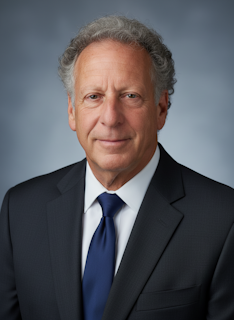
Dr. Cary B. is a highly experienced primary care and internal medicine physician with more than four decades of clinical practice in Illinois and Florida. He has worked extensively in both hospital and office-based settings, caring for patients across the full spectrum of acuity—from intensive care units to routine outpatient…
Collaborates with Florida nurse practitioners · also licensed in 2 other states
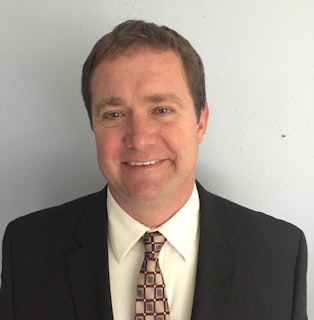
Dr. David K. is a dual board-certified physician in Addiction Medicine and Anesthesiology, with extensive experience spanning addiction treatment, pain management, anesthesiology, and clinical education. He currently serves as the Medical Director of Addiction Medicine at Meridian Behavioral Healthcare in Gainesville and Lake City, Florida, where he leads multidisciplinary teams…
Collaborates with Florida nurse practitioners · also licensed in 1 other state

Dr. Adeeb R. is a board-certified Family Medicine physician and experienced Medical Director of multiple clinics with comprehensive clinical experience spanning primary care, mental health, urgent care, addiction-related care, holistic/functional medicine, hormone replacement/regenerative medicine, and chronic disease management.
Collaborates with Florida nurse practitioners · also licensed in 16 other states

Dr. Clinton J. is an experienced physician specializing in Internal Medicine and Geriatrics, with over two decades of clinical experience caring for adult and elderly patient populations since 2003. Throughout his career, he has practiced across a wide range of healthcare settings, including hospital medicine, post-acute care, long-term care, and…
Collaborates with Florida nurse practitioners
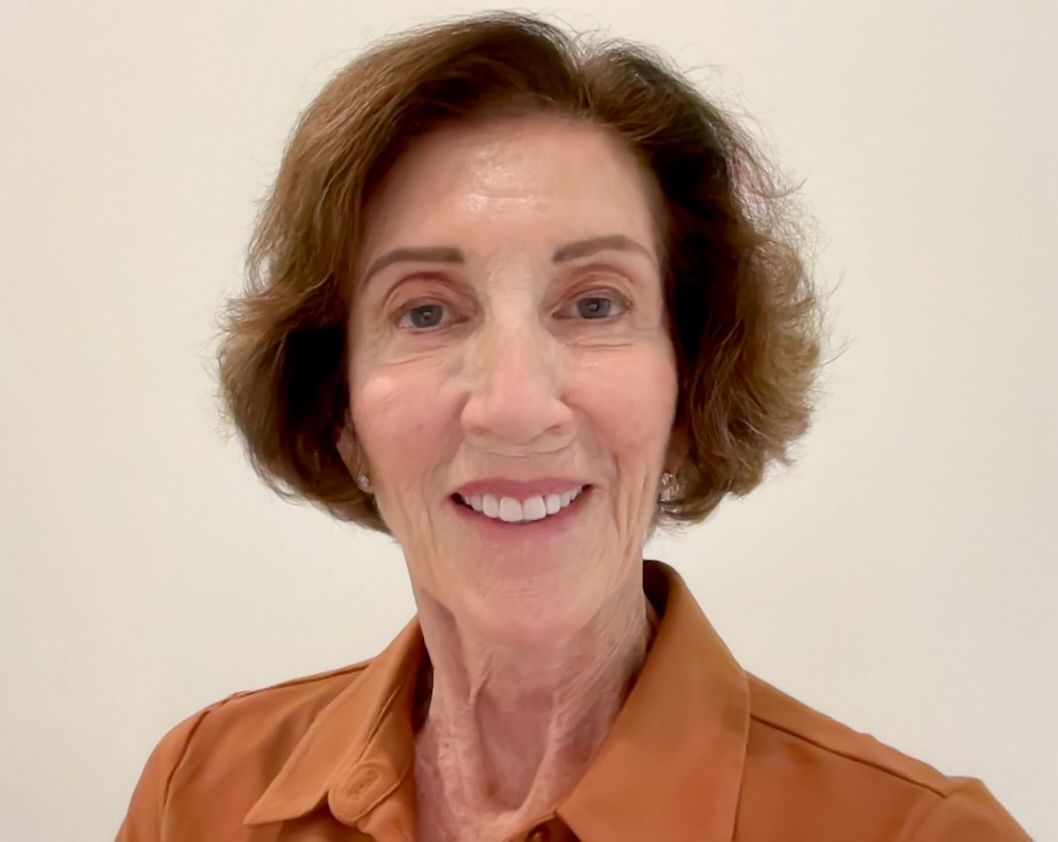
Dr. Etta L. brings a broad clinical perspective developed through experience in diverse healthcare settings, including Kaiser Permanente, the VA, and mental health clinics. Working with varied patient populations and multidisciplinary teams has given her familiarity with different clinical workflows, electronic medical record systems, and approaches to coordinated patient care.
Collaborates with Florida nurse practitioners · also licensed in 1 other state

Dr. Daniel P. is a Board-Certified Psychiatrist offering evaluation and treatment of a broad range of mental conditions. He serves as Medical Director in his primary role at an interventional treatment center.
Collaborates with Florida nurse practitioners · also licensed in 2 other states
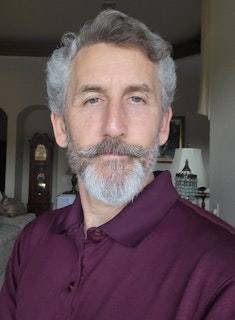
Board-Certified Osteopathic Physician | Functional Medicine | Telehealth & Behavioral Health Specialist About Dr. Andrew D. Dr. Andrew D. is a board-certified osteopathic physician with over a decade of experience spanning family medicine, urgent care, integrative therapies, and behavioral health.
Collaborates with Florida nurse practitioners · also licensed in 1 other state
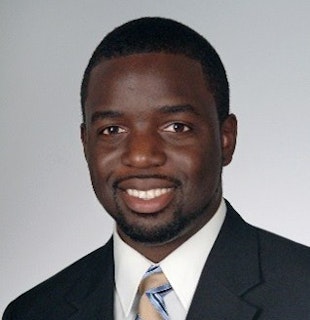
Dr. Wilbert J. is a board-certified Family Medicine physician with more than a decade of clinical and leadership experience. He has served as Medical Director for multiple healthcare facilities and has trained GME residents as well as medical, NP, and PA students. Dr. Wilbert J.
Collaborates with Florida nurse practitioners
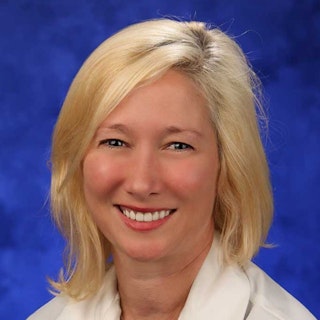
Dr. Amy M – Board-Certified Pulmonary, Critical Care, and Sleep Medicine Specialist Expert in Sleep Medicine, Pulmonary Disease, and Critical Care About Dr. Amy M Dr. Amy M is a double board-certified physician in Critical Care and Sleep Medicine, with more than 25 years of experience in complex respiratory and…
Collaborates with Florida nurse practitioners · also licensed in 20 other states

Dr. Hans H. is a double board-certified physician in Pediatrics and Emergency Medicine with more than a decade of experience in both hospital-based and clinical leadership roles. He currently serves as an Attending Physician at Wolfson Children’s Hospital Emergency Center and its affiliated satellite campuses in the Jacksonville area, where…
Collaborates with Florida nurse practitioners
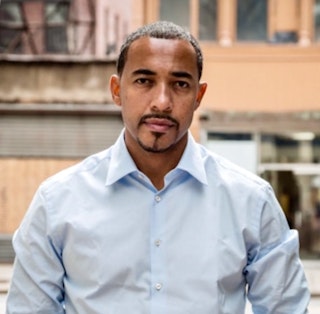
Dr. Sampson D. is a board-certified Emergency Medicine physician and Fellow of the American College of Emergency Physicians with extensive experience in emergency care, urgent care, substance abuse, and eating disorder facilities.
Collaborates with Florida nurse practitioners · also licensed in 7 other states
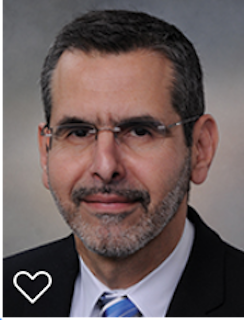
Dr. Ahmad B. is a board-certified internist with over 30 years of broad and progressive clinical experience across internal medicine, hospital medicine, emergency care, and critical care. His career spans academic medicine, executive health, concierge practice, and leadership roles in community and tertiary hospital systems. Dr. Ahmad B.
Collaborates with Florida nurse practitioners · also licensed in 2 other states

Dr. Robert C. is a Board-Certified Adult Psychiatrist and Board-Eligible Child and Adolescent Psychiatrist with extensive experience across inpatient psychiatry, outpatient mental health care, community-based programs, and private practice. Over the course of his career, he has held leadership roles including Unit Chief of a 24-bed inpatient child and adolescent…
Collaborates with Florida nurse practitioners · also licensed in 2 other states
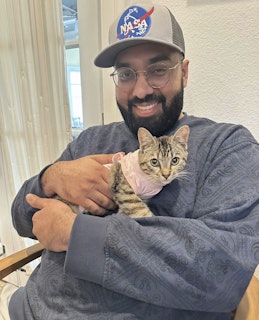
Dr. Nishant G. is a Harvard-trained Neuropsychiatrist with a strong foundation in both clinical medicine and healthcare operations. With a dual background in medicine and business, he brings a systems-driven approach to patient care, viewing healthcare delivery as a high-stakes operational environment requiring precision, accountability, and continuous optimization.
Collaborates with Florida nurse practitioners
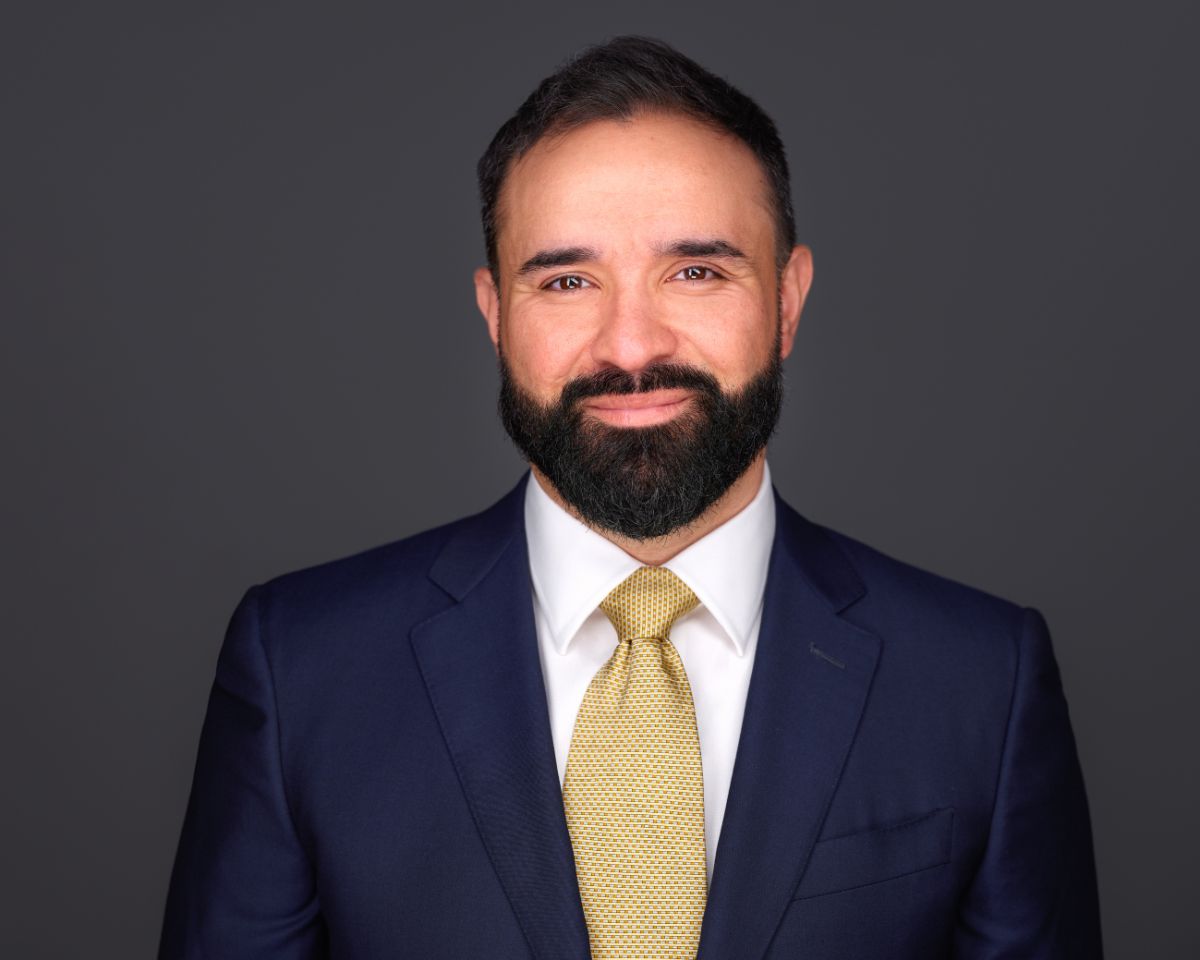
Dr. Jose O. is a triple board-certified physician in Pulmonary, Critical Care, and Sleep Medicine with more than a decade of attending-level experience across academic, community, and tele-ICU settings. His diverse clinical background also includes hospitalist, nocturnist, and emergency medicine experience, giving him a broad perspective on both complex specialty…
Collaborates with Florida nurse practitioners · also licensed in 22 other states
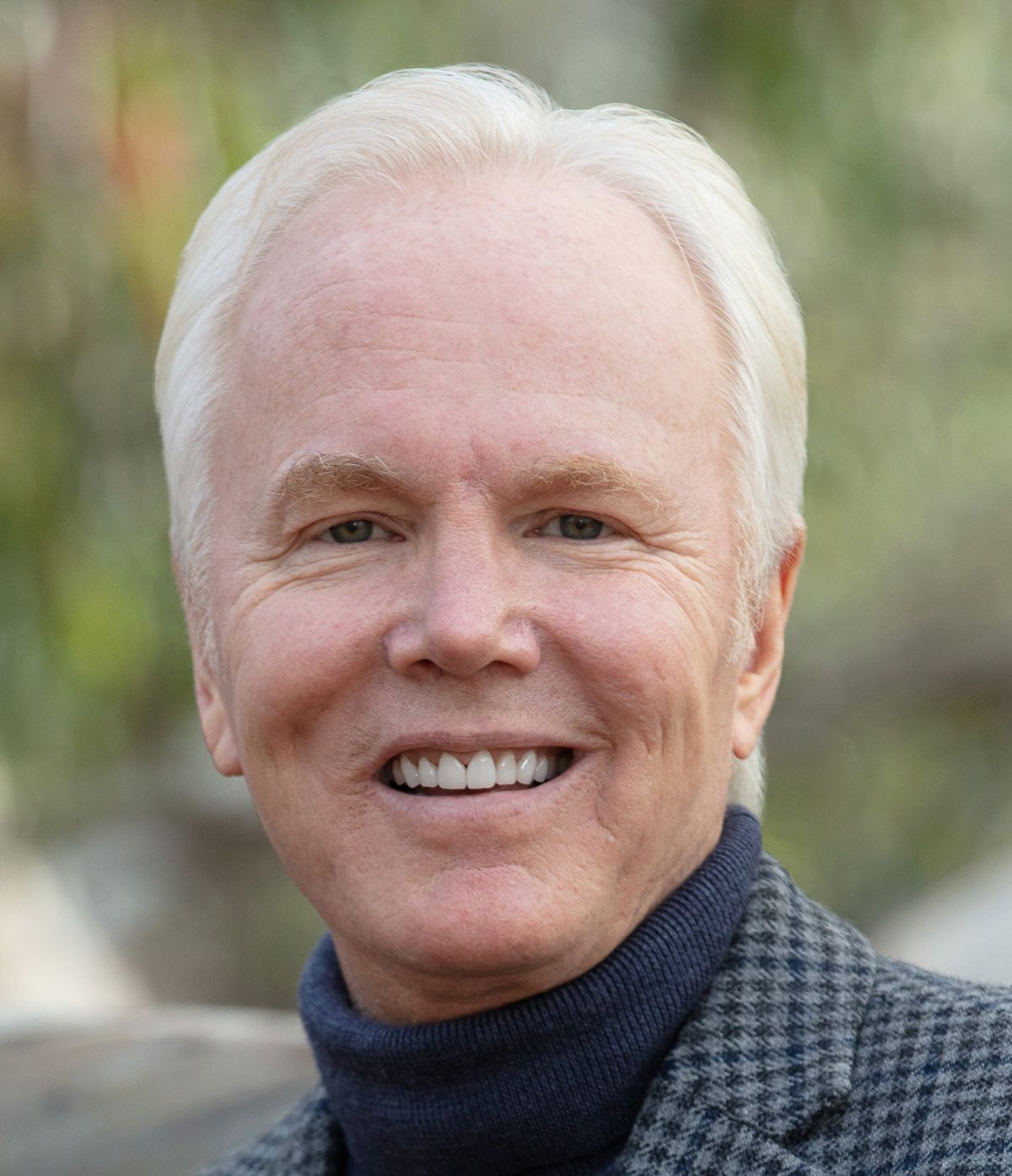
Dr. Michael M. is an experienced General and Adult Psychiatrist with approximately 40 years of clinical experience spanning psychiatry, behavioral health, addiction medicine, psychotherapy, psychopharmacology, and clinical leadership. His career has included extensive work across inpatient, outpatient, consultation, addiction treatment, geriatric psychiatry, and integrated behavioral health settings.
Collaborates with Florida nurse practitioners · also licensed in 1 other state
Board-Certified Psychiatrist | Addiction Psychiatry Specialist | Treatment-Resistant Depression & Psychopharmacology About Dr. Troy P. Dr. Troy P. is a board-certified psychiatrist with extensive experience treating adults with a wide range of psychiatric conditions.
Collaborates with Florida nurse practitioners · also licensed in 1 other state
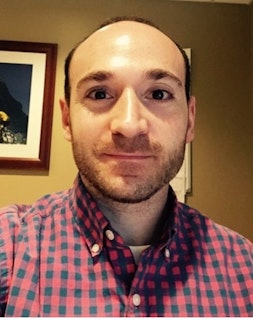
As a board-certified psychiatrist with over a decade of clinical experience across outpatient, inpatient, and consult-liaison settings, I value a collaborative, practical approach to mental health care. I believe strong supervision is built on mutual respect, open communication, and shared problem-solving—not hierarchy.
Collaborates with Florida nurse practitioners · also licensed in 1 other state

Dr. Jerry C. is a highly experienced, multi-state licensed physician with nearly three decades of clinical expertise in emergency medicine, telemedicine, and integrative care. He is licensed in all 50 states and Washington, DC, and brings extensive regulatory knowledge and operational leadership to every collaboration.
Collaborates with Florida nurse practitioners · also licensed in 40 other states
Frequently Asked Questions
Q: Can I count hours from multiple collaborating physicians toward my 3,000 hours?
A: Yes! As long as each practice period was under proper MD/DO supervision with documented protocols, hours from multiple physicians can be combined.
Q: What happens if I change practice settings during my supervised period?
A: You can change jobs or practice settings, but ensure:
You obtain documentation of hours from your previous supervising physician
Your new position includes proper collaborating physician oversight
There are no gaps in your supervised practice that might raise questions
Q: Do I need to be employed full-time to accumulate hours?
A: No. Part-time ARNPs can accumulate the required hours; it will simply take longer. Calculate approximately 18–24 months for full-time practice, proportionally longer for part-time.
Q: Can I supervise other ARNPs once I achieve autonomous practice?
A: No. Florida law explicitly prohibits autonomous ARNPs from formally supervising other ARNPs in the way physicians do. However, you can provide mentorship, precepting for NP students, and informal guidance.
Q: What if I want to practice in a specialty area, not primary care?
A: Currently, autonomous practice in Florida is limited to primary care (family medicine, general pediatrics, general internal medicine). For specialty practice, you'll need to maintain a collaborating physician relationship. Legislative efforts to expand autonomous practice to other specialties (such as psychiatric NPs and CRNAs) have been introduced but have not yet passed.
Q: How much does it cost to apply for autonomous practice registration?
A: There is no application fee for autonomous APRN registration with the Florida Board of Nursing. However, budget for electronic fingerprinting/background check costs, malpractice insurance, and any remaining coursework.
Q: Can I practice in multiple Florida locations as an autonomous ARNP?
A: Yes, as long as all locations fall within the primary care scope of practice. Your autonomous practice registration applies statewide, not to specific practice locations.
Q: What happens if I let my autonomous practice registration lapse?
A: You would need to reapply and potentially demonstrate that you still meet all requirements, including having qualifying hours within the past five years. Maintain your registration with timely biennial renewals.
Conclusion: Your Path to Independent Practice Starts Now
Achieving autonomous practice as an ARNP in Florida is a significant professional milestone that requires dedication, strategic planning, and meticulous attention to regulatory requirements. The 3,000 supervised hours may seem daunting at first, but with proper tracking and a solid collaborating physician relationship, most ARNPs complete this requirement within two years of clinical practice.
Remember the key steps:
Find a collaborating physician for nurse practitioner practice that aligns with your professional goals
Establish a comprehensive arnp protocol that clearly defines your scope
Understand and comply with florida nurse practitioner supervision requirements
Meticulously track every supervised hour
Complete your differential diagnosis and pharmacology coursework
Apply for autonomous practice registration with complete documentation
Maintain compliance through continuing education and biennial renewal
The investment is worth it. Autonomous practice offers professional independence, expanded career opportunities, and the ability to serve patients with greater flexibility—especially in underserved communities that need accessible primary care.
Whether you're taking your first steps as a newly licensed ARNP or you're months away from submitting your autonomous practice application, you now have a comprehensive roadmap to guide your journey.
Related resources
NP Collaborative Agreement Template (Free Download)
Get a free 50+ page collaborative agreement template covering all 50 states. Includes sample language, filing requirements and NP-protective clauses.
Read moreGuidesBrowse All NP Resources
Guides, comparisons, templates and tools for nurse practitioners in one place.
Read moreComparisonsBest Collaborating Physician Platforms (2026)
Honest comparison of the top NP collaborating physician platforms. Transparent all-inclusive pricing starting at $424/mo.
Read moreToolsNP Collaboration Savings Calculator
Calculate how much you can save on collaboration fees. Compare costs and find the best rates in your state.
Read more