Most California NPs still need a collaborating physician through standardized procedures. AB 890 created two exceptions: a 103 NP practices without standardized procedures in a group setting with a physician after 4,600 hours of transition-to-practice, and a 104 NP practices independently after three years as a 103 NP. NPs furnishing Schedule II–V controlled substances require a BRN furnishing number and federal DEA registration. The physician-to-NP furnishing ratio is four to one under standardized procedures only.
Most California NPs still need a collaborating physician through standardized procedures. AB 890 created two exceptions: a 103 NP practices without standardized procedures in a group setting with a physician after 4,600 hours of transition-to-practice, and a 104 NP practices independently after three years as a 103 NP. NPs furnishing Schedule II–V controlled substances require a BRN furnishing number and federal DEA registration. The physician-to-NP furnishing ratio is four to one under standardized procedures only.
Most California nurse practitioners still operate under standardized procedures. However, a BRN-certified 103 NP may practice without standardized procedures in an eligible group setting, while a 104 NP may practice outside those settings after meeting additional requirements. NPs furnishing controlled substances must also obtain a BRN furnishing number and federal DEA registration.
Most California nurse practitioners still need a collaborating physician relationship because the standard practice model remains standardized procedures jointly developed under Cal. Code Regs. tit. 16, §§ 1470–1474 (Nursing Practice Act, B&P Code § 2725). California's AB 890 pathways created two exceptions: a 103 NP, who may practice without standardized procedures in a group setting that includes a physician, and a 104 NP, who may practice independently outside standardized procedures after meeting the AB 890 pathway requirements described by the California Board of Registered Nursing. If you furnish Schedule II-V controlled substances under standardized procedures, California requires a BRN furnishing number and federal DEA registration, and one physician may collaborate with no more than four furnishing NPs at one time under B&P Code § 2836.1 + federal DEA registration.
California is a restricted practice state. Traditional NPs — the majority in the state — still practice under standardized procedures, which are written protocols jointly developed with a physician. Under AB 890, two new independent pathways now exist: the 103 NP (practicing without standardized procedures inside a group setting that includes at least one physician) and, newly available as of January 1, 2026, the 104 NP (practicing independently outside a group setting). But qualifying is a multi-year process, and until an NP earns and is granted that status, a physician relationship through standardized procedures is required to diagnose, treat, and furnish medications.
That reality isn't changing overnight in 2026. For California nurse practitioners trying to launch, grow, or keep a practice compliant, that means understanding standardized procedures, the 103/104 pathways, furnishing and controlled-substance requirements, physician supervision limits, geographic and telemedicine flexibility, typical collaboration costs, how to find the right physician, and what ongoing compliance with the Board of Registered Nursing requires.
For most California NPs, the challenge isn't understanding the rule. It's structuring standardized procedures correctly, finding a physician who actually fits their practice, and doing it without overpaying, disrupting operations, or creating licensing and legal risk. This guide covers all of it.
WHAT CALIFORNIA REQUIRES AT A GLANCE
Requirement | California Rule |
|---|---|
Practice Authority | Restricted — standardized procedures required unless certified as a 103 or 104 NP |
Standardized Procedures | ✅ Required for traditional NPs — written, developed jointly with a physician |
Board Recognition | ✅ 103/104 NP status granted by the Board of Registered Nursing (BRN) |
Furnishing Authority | ✅ Separate furnishing number required to furnish/order medications |
Controlled Substances | ✅ Schedules II–V permitted with furnishing authority + DEA registration |
Physician Qualifications | ✅ California-licensed M.D. or D.O. in a compatible scope |
Physician Ratio Cap | ⚠️ Physician may supervise up to 4 nurse practitioners for furnishing purposes (does not apply to 103/104 NPs) |
Geographic Proximity Requirement | ✅ None statewide — physician availability must be maintained |
Telemedicine Collaboration | ✅ Permitted — same standard of care as in-person |
THE COST OF GETTING THIS WRONG
The highest-risk California compliance mistakes are the ones that put the NP outside the practice model the law actually authorizes. For most NPs, that means practicing without valid standardized procedures when standardized procedures are still required under Cal. Code Regs. tit. 16, §§ 1470–1474 (Nursing Practice Act, B&P Code § 2725), furnishing drugs without the required BRN furnishing authority, or furnishing controlled substances without the DEA registration required under B&P Code § 2836.1 + federal DEA registration. California's AB 890 pathways matter here too: a 103 NP or 104 NP may practice outside standardized procedures only after the Board has granted that certification under B&P Code §§ 2837.103–2837.104 (AB 890). Capacity mistakes can also invalidate a proposed relationship, because one physician may collaborate with no more than four furnishing NPs at one time under B&P Code § 2836.1.
Find a Collaborating Physician in California
48 physicians currently available • Listed fees: $499–$1,399/mo
Fair Price median: $649/mo [see data →] • Updated November 2026
| Physician | Specialty | Fee/mo |
|---|---|---|
| Danny G, MD | Mental Health, Primary Care | $499 |
| Malihe R, MD | Primary Care, Medical Aesthetics | $499 |
| Jose O, MD | Primary Care, Medical Weight Loss | $499 |
| Rameck H, MD | Medical Weight Loss, Mens Health | $499 |
| Jane S, MD | Primary Care | $499 |
The California Board of Registered Nursing (BRN) has independent enforcement authority and can investigate, sanction, and suspend your ability to practice.
The most common compliance failures California NPs face, especially as changing California laws and regulations create ongoing compliance challenges for NPs and healthcare organizations:
Assuming independence too early — practicing without standardized procedures before the BRN has granted 103 or 104 NP status
Missing or outdated standardized procedures — protocols never finalized with the physician, or not updated when scope or sites changed
No furnishing number — furnishing or ordering medications without separate furnishing authority (103 status does not automatically grant it)
Missing DEA registration — prescribing controlled substances without an active federal DEA number
CURES non-compliance — failing to consult California's prescription monitoring program (CURES) as required
Exceeding the supervision cap — a physician supervising more than four furnishing NPs where the traditional standardized-procedure model still applies
Scope mismatch — the supervising or collaborating physician's specialty doesn't align with the NP's legal scope of practice
Any one of these can trigger a BRN investigation. Become familiar with the state laws and contracts that govern these relationships before assuming they are compliant. A license suspension doesn't just pause your practice — it can end it.
STANDARDIZED PROCEDURES, COLLABORATIVE PRACTICE AGREEMENT, AND THE AB 890 PATHWAYS: WHAT THEY MUST INCLUDE
For most California NPs, the central legal document is the standardized procedures document. California uses standardized procedures as the mechanism that authorizes nurse practitioners to perform overlapping medical functions under Cal. Code Regs. tit. 16, §§ 1470–1474 (Nursing Practice Act, B&P Code § 2725). In practice, that means the NP and collaborating physician relationship is expressed through the standardized procedures rather than through a separate state-mandated collaboration contract.
California's rule is specific about structure. Section 1474 requires eleven elements, and the standardized procedures must be developed jointly by nursing, medicine, and administration within an organized health care system. The document should clearly define the NP's authorized functions, when physician consultation is needed, and how periodic review will occur.
AB 890 created two separate certification pathways that move some NPs outside the standardized-procedures model. Under B&P Code §§ 2837.103–2837.104 (AB 890), a 103 NP practices without standardized procedures in a group setting that includes a physician, while a 104 NP practices independently of standardized procedures after completing the statutory transition pathway. The California Board of Registered Nursing began certifying 103 NPs in 2023 and 104 NPs from 2026.
Standardized procedures must be in writing, kept current, and available for inspection — and they define exactly what the NP may do without direct physician involvement.
Valid California standardized procedures typically must include:
Identification of the parties, including the NP and the collaborating/supervising physician, with license information
Scope of the medical functions the NP is authorized to perform, including diagnosis and treatment, and the limits of delegated nursing practice
The circumstances requiring physician consultation or referral, and how the NP escalates cases outside their scope
Requirements for physician availability for consultation during practice hours
Furnishing and prescribing parameters, including authorized drug categories where furnishing authority applies
Methods of periodic review of the NP's practice and the standardized procedures themselves
Signatures of the developing parties
The California Board of Registered Nursing provides a standardized-procedure template that can serve as an example when drafting one.
Then there are the two AB 890 independent pathways, which replace standardized procedures once granted:
103 NP — This new category requires a completed transition to practice (TTP) of at least three full-time-equivalent years or 4,600 hours of direct patient care in California (within five years of applying), plus California NP certification and national board certification, with the Board's application process serving as the pathway to 103 NP status. A 103 NP may practice without standardized procedures, but only in a group setting that includes at least one physician — clinics, hospitals, medical groups, and similar organizations. As of 2026, the BRN does not charge a separate fee for the 103 NP application — verify the current fee schedule at rn.ca.gov/consumers/fees.shtml.
104 NP — Available for the first time on January 1, 2026. After meeting the three year requirement as a 103 NP in good standing, the NP may apply to practice without standardized procedures outside of a group setting — including opening an independent practice — but only within the population focus of the qualifying national certification as a 104 NP.
One critical distinction: In California, becoming a 103 NP does not automatically grant furnishing authority. If you don't already hold a furnishing number, you must apply separately to furnish or order medications without standardized procedures. California law also recognizes nurse practitioners as primary care providers even though many still practice under standardized procedures. And even 104 NPs — the most independent category — are still required to consult, collaborate, and refer to physicians and other providers when patients present with conditions outside their training or population focus. The NP carries the responsibility for keeping standardized procedures current until independent status is granted.
Standardized procedures should be reviewed and updated any time your clinical practice scope changes — new specialties, new locations, or new furnishing needs.
CONTROLLED SUBSTANCES: WHAT CALIFORNIA NURSE PRACTITIONERS CAN AND CANNOT PRESCRIBE
Yes—California NPs may furnish Schedule II through V controlled substances, but only within California's furnishing framework. Under B&P Code § 2836.1 + federal DEA registration, an NP furnishing controlled substances needs a BRN furnishing number and an individual DEA registration. California is especially specific for Schedule II and III: those drugs require a patient-specific protocol.
Controlled-substance prescribing also runs on two tracks at once. California sets the furnishing authority and scope conditions; federal DEA rules at 21 C.F.R. Part 1306 govern how the prescription itself must be issued and require the prescriber to act in the usual course of professional practice.
For any controlled substance prescribing, you also need:
An active federal DEA registration number
CURES registration and consultation — California's Controlled Substance Utilization Review and Evaluation System
Prescribing that stays within the drug categories and conditions authorized in your standardized procedures or your granted independent scope
Completion of the required graduate-level pharmacology education to hold furnishing authority
Schedule II prescribing carries the tightest documentation expectations, so make sure your standardized procedures (or practice protocols, if independent) explicitly address the categories you intend to furnish.
PHYSICIAN RATIO LIMITS AND GEOGRAPHIC FLEXIBILITY
How many NPs can one California collaborating physician take?
For NPs who furnish under standardized procedures, California's verified cap is narrow and specific: one physician may collaborate with a maximum of four NPs at one time under B&P Code § 2836.1(e). This cap applies specifically to the number of nurse practitioners a physician may supervise for furnishing purposes. Separate statutes govern supervision limits for physician assistants and certified nurse-midwives. Importantly, this cap does not apply to 103 and 104 NPs when they are authorized to practice without physician supervision.
This matters more than most NPs realize. In high-demand specialties and metro areas like Los Angeles, San Francisco, and San Diego, sought-after physicians reach their supervision cap fast.
No Statewide Geographic Distance Requirement
California does not impose a general mileage rule for the collaborating physician. Your doctor or other licensed physician can be located elsewhere in the state, provided they remain available for consultation during your practice hours, including by phone during patient exams when permitted, since physical presence is not required under standardized procedures.
ONGOING COMPLIANCE WITH THE CALIFORNIA BOARD: DOCUMENTATION, REVIEW AND AVAILABILITY
California's standardized-procedure rule requires the document to include a method for periodic review of both the NP's practice and the standardized procedures themselves under Cal. Code Regs. tit. 16, §§ 1470–1474. The safest operational approach is to treat that review process as a standing compliance workflow, not as a one-time signature set.
Roughly ten percent of charts is a commonly used industry practice convention in agreements where the state leaves the figure open — California does not mandate a specific chart-review percentage. Whatever interval you agree on, write it into the standardized procedures and hold to it. Monthly is the customary default.
Retain the paper trail: review dates, charts reviewed by identifier, physician comments, follow-up actions, and the signed standardized-procedure history. If the practice is a rural health clinic or an FQHC, the federal staffing rule at 42 C.F.R. § 491.8 requires periodic physician review of NP and PA services and patient records.
Consultation and Review
Your standardized procedures should define how and how often the physician reviews care and is consulted for cases outside your scope. Maintain written records of:
Date of review or consultation
Charts reviewed (by identifier, HIPAA-compliant)
Physician comments or recommendations
Any follow-up actions required
Documentation demonstrating the standardized procedures are followed
Periodic Review
Standardized procedures require methods of periodic review — of both the NP's practice and the protocols themselves. Document the date, format (phone, video, in-person), topics discussed, and any changes to the protocols.
Continuous Availability
Your collaborating physician must remain reachable for consultation during your practice hours — not physically present, but available by phone or electronic communication.
Keeping Standardized Procedures Current
Because standardized procedures define the legal boundaries of your practice, outdated protocols are a compliance risk. Update them whenever your scope, sites, or furnishing needs change.
TELEMEDICINE COLLABORATIONS IN CALIFORNIA
Telehealth does not remove the need to follow the California practice model that applies to you. If you still practice under standardized procedures, your telehealth workflow should match those standardized procedures, your furnishing authority, and your controlled-substance rules.
Telehealth does not change who must be licensed where: the patient's physical location at the time of the visit determines which state's license and which state's collaboration rule apply.
Key considerations for telehealth NPs:
Your standardized procedures should list your telehealth platform as a practice setting
Verify patient identity and location, and obtain informed consent for the telehealth visit
Documentation protocols should account for virtual visit records
Real-time escalation procedures for urgent clinical needs must be defined
CURES must be consulted for controlled-substance prescribing, and DEA requirements still apply
All communication with your collaborating physician must occur on HIPAA-compliant systems
CALIFORNIA Collaborating Physician Cost Reference?
For a complete cost breakdown, contract-based benchmarks, and methodology, see our California collaborating physician cost guide →
HOW TO FIND A COLLABORATING PHYSICIAN IN CALIFORNIA
Three routes — and they're not equal:
Employer-assigned: Simple, but you have no control over physician fit, engagement, or what happens if they leave.
Personal networking and cold outreach: Can work, but slow, unpredictable, and typically above-market pricing. Weeks of searching with no guarantee of a specialty match, and the four-NP furnishing cap means many physicians are already full.
Matching platform: Pre-vetted physicians, transparent pricing, faster matching, and compliance infrastructure built in — including help structuring standardized procedures.
Screen for California-specific fit before discussing price. Confirm the physician holds an active California license, works in a compatible specialty, understands standardized procedures, and has room under the four-NP furnishing cap in B&P Code § 2836.1.
WHAT TO LOOK FOR IN A COLLABORATING PHYSICIAN (BEYOND THE CREDENTIAL CHECK)
Before signing any collaborative agreement or related employment terms, ask:
Do they hold an active California license? Non-negotiable — they should be in good standing with the Medical Board of California.
Does their specialty align with your practice?
What's their availability for real-time consultation?
Do their contracts clearly define consultation expectations, chart review responsibilities, and replacement terms?
Are they at their supervision cap? Confirm they aren't already supervising four furnishing NPs.
What's their communication style?
FREQUENTLY ASKED QUESTIONS
Do you need a collaborating physician in California?
Usually, yes. Most California NPs still practice under standardized procedures under Cal. Code Regs. tit. 16, §§ 1470–1474. The main exceptions are NPs certified into the AB 890 103 NP or 104 NP pathways.
Can a California NP prescribe controlled substances?
Yes, with furnishing authority, DEA registration, and CURES compliance. Schedule II–III furnishing requires a patient-specific protocol.
Can your collaborating physician be remote?
Yes — California has no geographic proximity requirement. Licensure follows the patient's location at the time of care.
Does becoming a 103 NP give me furnishing authority automatically?
No. You must apply separately to furnish or order medications.
Can California NPs practice independently?
Yes, through AB 890. A 103 NP practices without standardized procedures in a group setting after 4,600 hours of TTP. A 104 NP — available January 1, 2026 — practices independently after three years as a 103 NP.
Sources & References
Cal. Code Regs. tit. 16, §§ 1470–1474 — standardized procedures
B&P Code §§ 2837.103–2837.104 (AB 890) — 103/104 NP pathways
B&P Code § 2836.1 — furnishing authority & ratio
42 C.F.R. § 491.8 — federal RHC/FQHC review
21 C.F.R. Part 1306 — federal DEA prescription requirements
California Fair Price benchmark (2026)
From 250+ signed contractsSource: NP Collaborator Fair Price Report, Edition 1, 2026. Figures reflect real signed collaboration agreements, not survey estimates or vendor list prices.
See the full California collaborating physician cost breakdown →Find a Collaborating Physician in California
48 verified physicians ready to collaborate · Fees $499–$1,399/mo
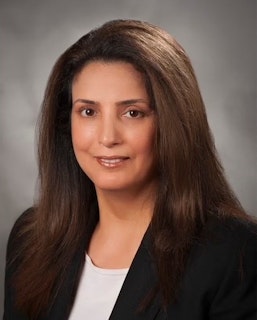
Dr. Malihe R. is an experienced hospitalist and internal medicine physician providing expert, comprehensive care to hospitalized adult patients. She is skilled in diagnosing and treating complex illnesses, coordinating with subspecialists, communicating with primary care providers and families, managing transitions of care, and supervising residents and medical students.
Collaborates with California nurse practitioners · also licensed in 1 other state
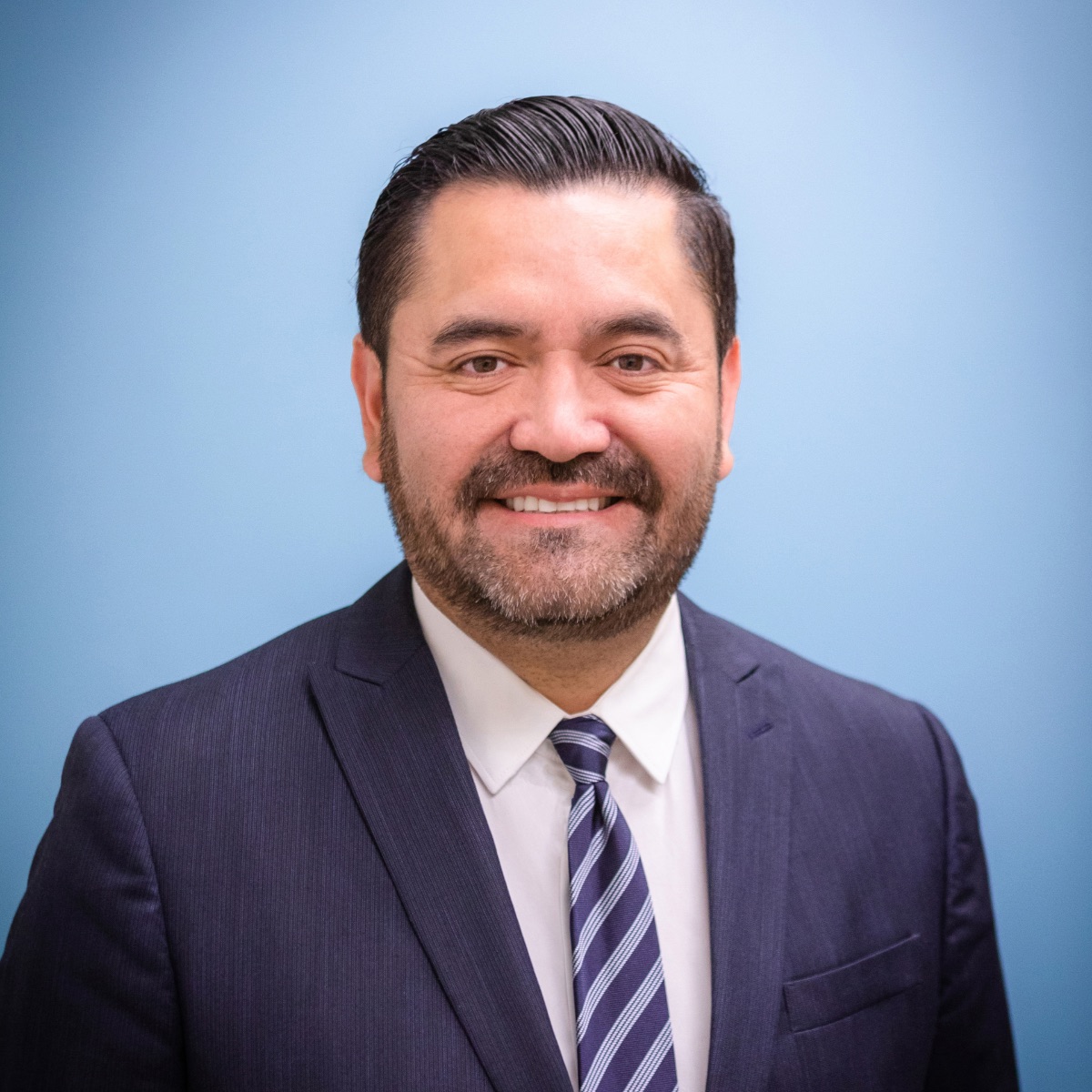
Dr. Danny G. is a Family Medicine physician based in Long Beach, California, with extensive experience serving diverse and underserved populations within Federally Qualified Health Centers (FQHCs) throughout South Los Angeles, including Compton and Long Beach.
Collaborates with California nurse practitioners
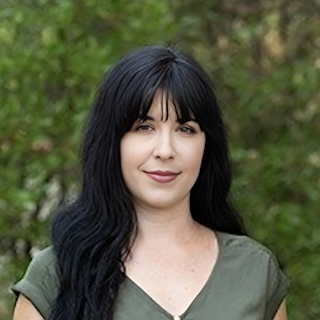
Board-Certified Family Medicine Physician | Functional & Integrative Medicine Specialist About Dr. Hollie G. Dr. Hollie G. is a board-certified family medicine physician with over 11 years of diverse clinical experience spanning primary care, post-acute care, functional medicine, women’s health, and aesthetics.
Collaborates with California nurse practitioners · also licensed in 22 other states
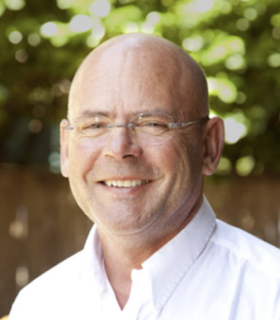
Dr. Jeffrey E. earned his medical degree from the University of California, Davis and completed residency training at the University of California, San Francisco (UCSF), where he later served on faculty as Assistant and Associate Professor in Laboratory Medicine and Pharmaceutical Chemistry.
Collaborates with California nurse practitioners · also licensed in 1 other state
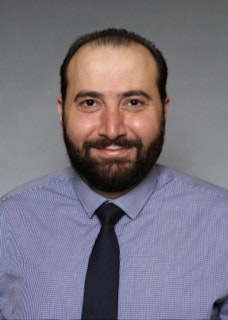
Dr. Bashar S. is a board-certified Family Medicine physician with extensive experience in geriatrics, nursing home medicine, outpatient primary care, hospital medicine, and telemedicine. His diverse clinical background enables him to provide comprehensive, patient-centered care across a wide range of settings, with a particular focus on the management of complex…
Collaborates with California nurse practitioners
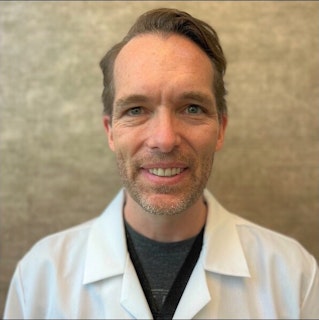
Hello, I’m a board-certified family physician (DO) with additional degrees in law (JD) and business (MBA). My residency training was completed at Ventura County Medical Center, consistently ranked among the top five family medicine programs in the country.
Collaborates with California nurse practitioners · also licensed in 5 other states
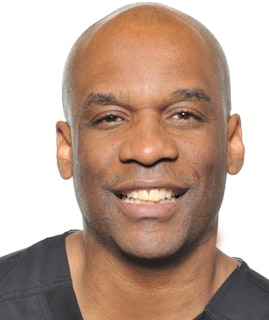
Dr. Christian J. is a highly experienced board-certified gastroenterologist with nearly two decades of clinical, academic, and leadership experience. He currently serves as Chief of Gastroenterology at the VA Loma Linda Healthcare System in California, where he has led transformative initiatives in patient care, program development, and physician education.
Collaborates with California nurse practitioners · also licensed in 1 other state
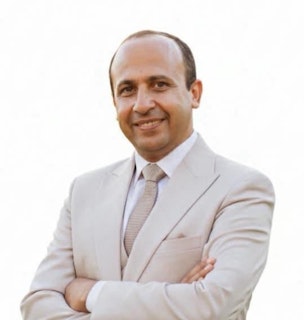
Dr. Happy E. is a board-certified Family Medicine physician with broad clinical experience spanning correctional health, inpatient psychiatric consultation, emergency triage, and outpatient primary care. He earned his medical degree from the Alexandria Faculty of Medicine and holds active board certification in Family and Preventive Medicine, along with an active…
Collaborates with California nurse practitioners
Dr. Anjmun S. is a board-certified Family Medicine physician with extensive experience in family medicine, occupational medicine, urgent care, and medical leadership. With a career spanning more than two decades, he has served in a variety of clinical, administrative, and advisory roles, providing comprehensive patient care while leading multidisciplinary healthcare…
Collaborates with California nurse practitioners · also licensed in 10 other states

Dr. Tin Jon S. is an Internal Medicine and Nephrology physician with more than two decades of clinical experience and medical licensure in California since 1998. He completed his medical training at the UCLA School of Medicine, followed by an Internal Medicine residency at the University of Southern California (USC)…
Collaborates with California nurse practitioners
Dr. Fred M. is a board-certified psychiatrist with 37 years of clinical practice and 46 years of experience in the mental health field. His career began in 1980 as a child care worker at a state hospital for adolescent boys, providing an early foundation for his lifelong work in mental…
Collaborates with California nurse practitioners
Dr. Robert A. is a seasoned psychiatrist with a distinguished career spanning more than four decades across inpatient, outpatient, administrative, and consultative settings. He is dual-experienced in Adult and Adolescent Psychiatry and has held high-level leadership positions, including Medical Director and Chief Medical Officer, where he developed, implemented, and supervised…
Collaborates with California nurse practitioners · also licensed in 1 other state
Dr. Juan R. is an American physician with more than 20 years of experience in medicine, including broad clinical and surgical experience across multiple specialties. He has practiced in primary care, emergency medicine, plastic and reconstructive surgery, and acute psychiatric care, providing him with a diverse clinical perspective and experience…
Collaborates with California nurse practitioners · also licensed in 2 other states
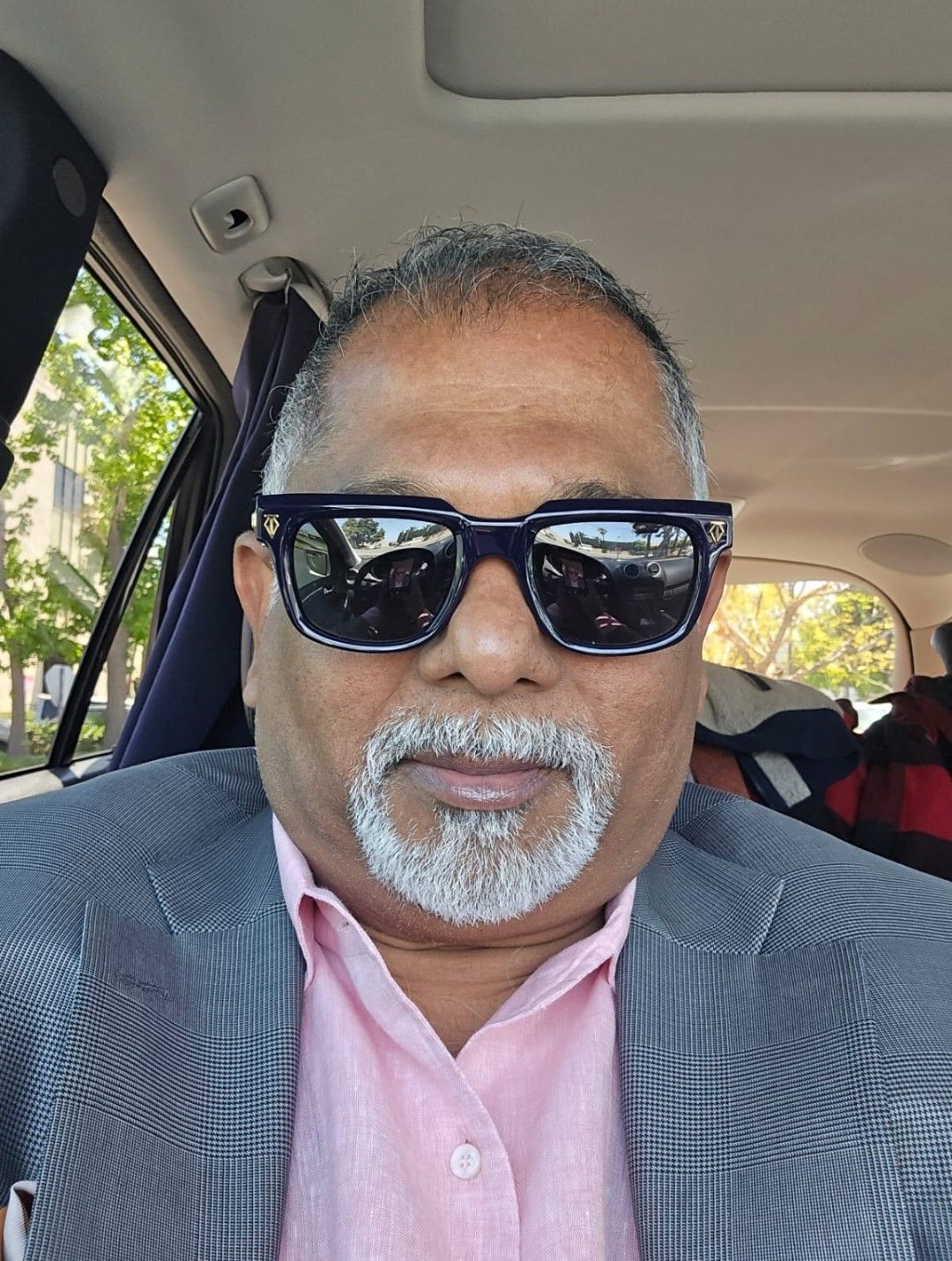
Dr. Reginald A. is an experienced Cardiothoracic and Vascular Surgeon with a broad clinical practice spanning cardiothoracic surgery, vascular surgery, intensive care, urgent care, and robotic surgery. He is actively involved in the evaluation and management of complex surgical patients, providing advanced, evidence-based care while utilizing the latest minimally invasive…
Collaborates with California nurse practitioners · also licensed in 2 other states
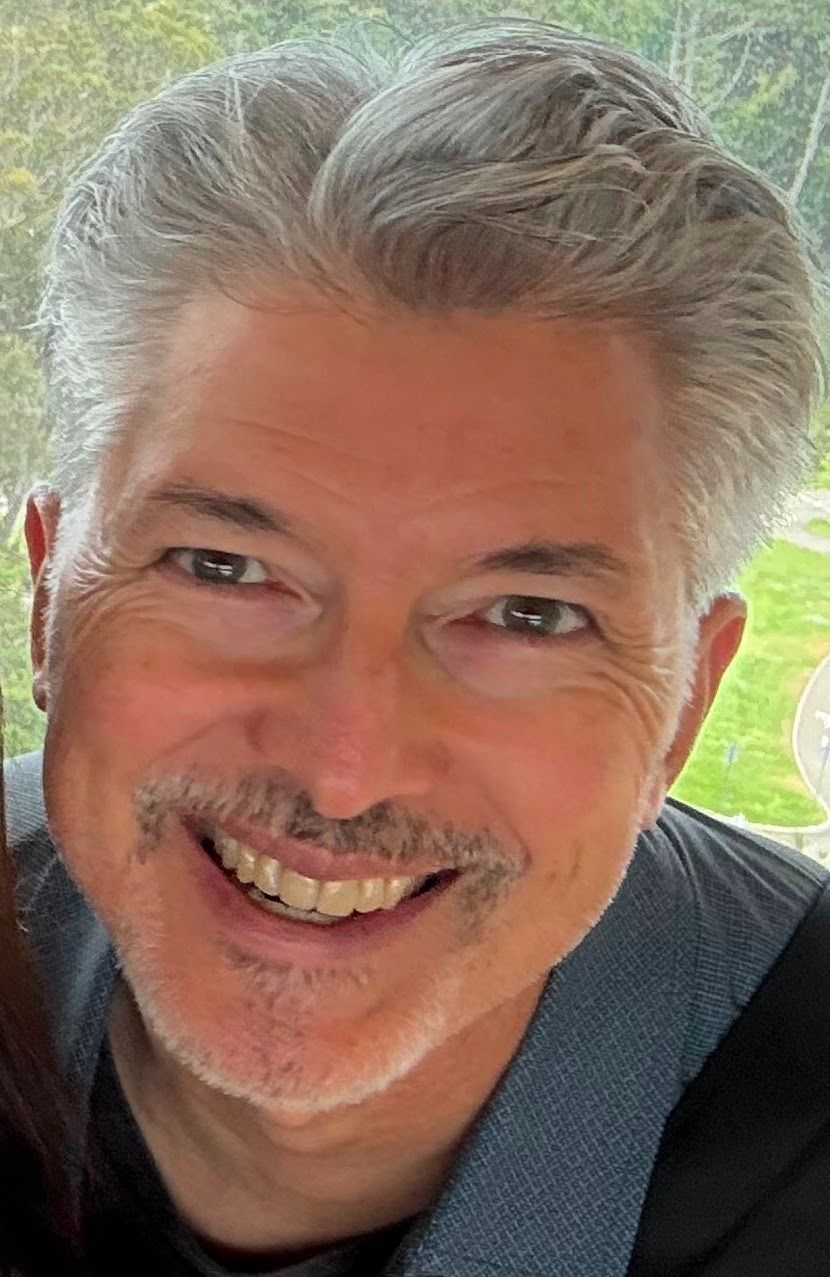
Dr. David K. is a double board-certified Child and Adolescent Psychiatrist and General Psychiatrist, with extensive experience in clinical practice, psychiatric leadership, medical education, and multidisciplinary supervision. His professional background spans a broad range of mental health settings, including inpatient and outpatient psychiatry, emergency services, consultation-liaison psychiatry, community mental health…
Collaborates with California nurse practitioners
I am ophthalmologist and oculofacial surgeon currently working in a private practice who is passionate about all things health and wellness. I enjoy not only treating medical conditions of the eyes and face, but also helping patients optimize nutrition, skin care, and medical treatments to optimize the health and beauty…
Collaborates with California nurse practitioners · also licensed in 2 other states
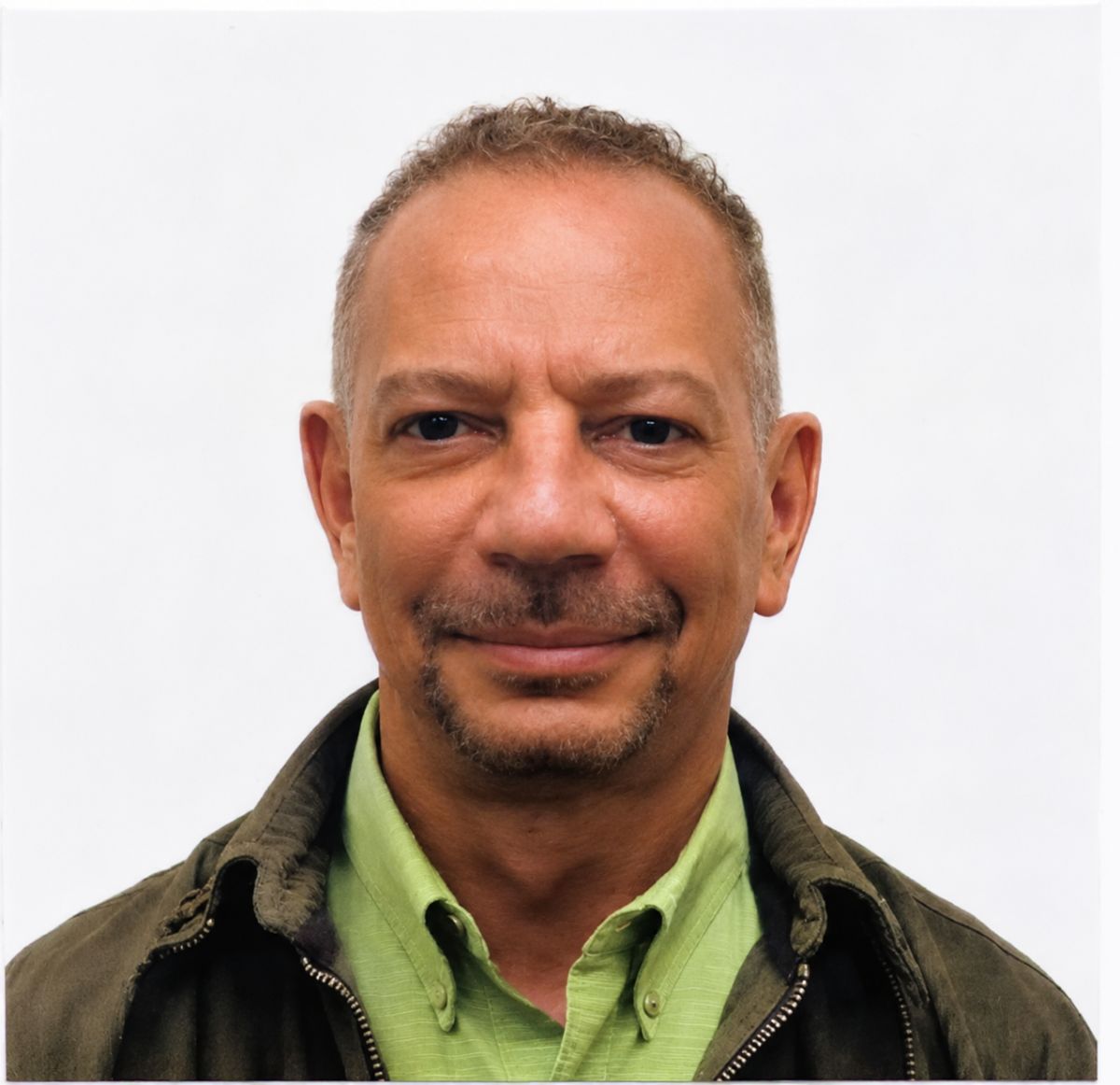
Dr. William M. is a board-certified psychiatrist with over 40 years of experience in general psychiatry, consultation-liaison psychiatry, and community mental health. Throughout his distinguished career, he has served in various leadership and teaching roles, including as Assistant Clinical Professor at the University of California, San Francisco (UCSF), where he…
Collaborates with California nurse practitioners · also licensed in 1 other state
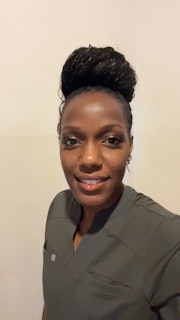
Dr. Darlene O. is a board-certified Family Medicine physician with broad clinical experience spanning primary care, urgent care, telemedicine, obesity medicine, and integrated behavioral health. She is currently completing a Global Health Fellowship through June 2026, further expanding her expertise in delivering adaptable, patient-centered care across diverse healthcare environments and…
Collaborates with California nurse practitioners · also licensed in 1 other state
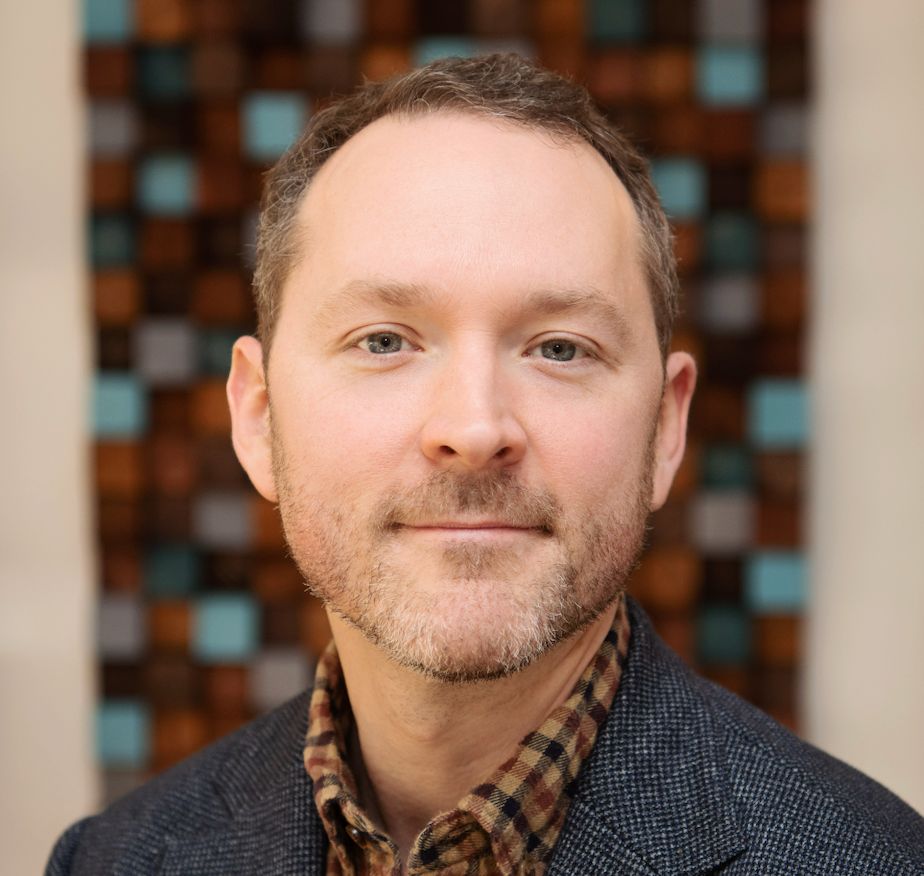
Dr. Lance M. is a psychiatrist with advanced medical and scientific training, having earned both his M.D. and Ph.D. from Stanford University before completing his adult psychiatry residency at the University of California, San Francisco (UCSF).
Collaborates with California nurse practitioners · also licensed in 5 other states

Dr. Morgan B. is a board-certified psychiatrist with over six years of experience in telepsychiatry and adult medication management. She earned both her Doctor of Medicine and Master of Science degrees from Morehouse School of Medicine and completed her psychiatry residency at Community Health of South Florida.
Collaborates with California nurse practitioners · also licensed in 4 other states
Related resources
NP Collaborative Agreement Template (Free Download)
Get a free 50+ page collaborative agreement template covering all 50 states. Includes sample language, filing requirements and NP-protective clauses.
Read moreGuidesBrowse All NP Resources
Guides, comparisons, templates and tools for nurse practitioners in one place.
Read moreComparisonsBest Collaborating Physician Platforms (2026)
Honest comparison of the top NP collaborating physician platforms. Transparent all-inclusive pricing starting at $424/mo.
Read moreToolsNP Collaboration Savings Calculator
Calculate how much you can save on collaboration fees. Compare costs and find the best rates in your state.
Read more