The page claims Alabama mandates no specific chart-review frequency, but then cites Ala. Admin. Code r. 610-X-5-.09 as the governing review rule — that rule does set supervisory and review requirements. The page also omits Alabama's physician-to-NP collaboration ratio limits under state administrative code.
Quick Answer: Alabama is a restricted-practice state for nurse practitioners. In Alabama, CRNPs and CNMs practice within a collaborating-physician relationship governed by the Alabama Board of Nursing and the Alabama Board of Medical Examiners, while CRNAs and CNSs follow different role-specific rules. Prescriptive authority and any controlled-substance prescribing must stay within Alabama APRN rules and applicable DEA requirements).
When you’re ready to establish or expand a nurse practitioner practice in Alabama, understanding the state’s collaborative practice framework is essential. Alabama has created a structured, legally defined pathway for CRNPs (Certified Registered Nurse Practitioners) and CNMs (Certified Nurse Midwives) to deliver quality healthcare while maintaining appropriate professional oversight, with public health regulations playing a critical role in shaping collaborative practice requirements. This comprehensive guide breaks down everything you need to know about NP collaboration in Alabama.
Introduction to Collaborative Practice
Does an Alabama nurse practitioner need a collaborating physician?
Yes for CRNPs and CNMs. Alabama is a restricted-practice state, and the legal framework for advanced practice nursing comes from the Nurse Practice Act and Alabama Board of Nursing APRN rules, with the physician relationship for CRNPs and CNMs addressed through Alabama Board of Medical Examiners collaboration guidance. See Nurse Practice Act — Ala. Code Title 34, Chapter 21; Alabama Board of Nursing Nurse Practice Act, ABN Administrative Code — Alabama Board of Nursing Administrative Code, Chapter 610-X-5 and related APRN rules, and Collaborating Relationship — Alabama Board of Medical Examiners / CRNP-CNM Collaboration.
Role matters. The Alabama Board of Nursing recognizes CRNPs, CNMs, CRNAs, and CNSs, and not every APRN role follows the same collaboration model. For Alabama licensing pathways and role-specific practice rules, see Advanced Practice Nursing — Alabama Board of Nursing Advanced Practice licensing and practice rules.
Alabama at a Glance
Find a Collaborating Physician in Alabama
16 physicians currently available • Listed fees: $524–$1,049/mo
Fair Price median: $649/mo [see data →] • Updated November 2026
| Physician | Specialty | Fee/mo |
|---|---|---|
| Jerry C, DO | Medical Aesthetics, Medical Weight Loss | $524 |
| Etienne R, MD | Mental Health, Primary Care | $548 |
| Vincent J, MD | Primary Care, Medical Aesthetics | $549 |
| Tuvia B, DO Psychiatrist | Mental Health, Pediatrics | $599 |
| Rumen S, MD Psychiatrist | Mental Health, Medical Aesthetics | $599 |
Key Requirements at a Glance
Topic | What Alabama says | Source |
|---|---|---|
Practice authority | Alabama is a restricted-practice state for nurse practitioners. CRNPs and CNMs practice within a collaborating-physician framework. | Nurse Practice Act — Ala. Code Title 34, Chapter 21; Alabama Board of Nursing Nurse Practice Act |
Who needs a collaborating physician | CRNPs and CNMs require a collaborating-physician relationship. CRNAs and CNSs follow different role-specific rules. | Advanced Practice Nursing — Alabama Board of Nursing Advanced Practice licensing and practice rules |
Collaborating relationship | The physician relationship for CRNPs and CNMs is governed through Alabama collaboration guidance and related APRN rules. | Collaborating Relationship — Alabama Board of Medical Examiners / CRNP-CNM Collaboration |
Chart review | Chart review obligations are governed by Alabama administrative rules and the structure of the collaborating relationship. | Supervisory/Review Requirements — Ala. Admin. Code r. 610-X-5-.09 |
Controlled substances | CRNP prescribing authority, including prescribing-related requirements, is addressed through Alabama APRN prescriptive-authority materials and federal DEA rules. | |
Telehealth | Alabama scope-of-practice rules still apply when care is delivered remotely. | Scope of Practice — Alabama Board of Nursing Scope of Practice |
Physician qualification | The collaborating physician should hold an Alabama medical license and fit the practice being supported. | Collaborating Relationship — Alabama Board of Medical Examiners / CRNP-CNM Collaboration |
Licensing pathway | APRN licensing pathways and practice authorization are outlined by the Alabama Board of Nursing. | APRN Licensing — Alabama Board of Nursing Advanced Practice licensing pathways |
How Nurse Practitioner Practice Works in Alabama
Alabama’s regulatory framework distinguishes between different types of advanced practice nurses, creating different requirements for each specialty. The state recognizes four categories: CRNPs, CNMs, CRNAs, and CNSs. Importantly, only CRNPs and CNMs are required to maintain collaborative practice agreements with physicians.
Initial collaborative agreement application forms are available through the Board of Nursing and must be received and approved before practice can begin.
This distinction is crucial for understanding your obligations. If you’re a CRNP or CNM in Alabama, you cannot legally practice independently. However, the collaboration model doesn’t mandate physician presence at your facility during patient care—instead, it requires a structured professional relationship with clear protocols and accessible guidance.
Prescriptive Authority Agreement: What Matters
Controlled substances and prescriptive authority in Alabama
In Alabama, CRNP prescribing authority is tied to Alabama APRN practice rules and the collaborating-physician relationship. The Alabama Board of Nursing's CRNP prescriptive-authority materials and advanced-practice FAQs are the best starting points for understanding what a CRNP may prescribe and how that authority fits within Alabama practice rules. See CRNP Application / Prescriptive Authority — ABN CRNP application and prescriptive authority requirements and Advanced Practice FAQs — Alabama Board of Nursing Advanced Practice FAQs.
Federal DEA rules add a separate layer. Independent of Alabama's APRN rules, 21 C.F.R. Part 1306 requires controlled-substance prescriptions to be issued for a legitimate medical purpose by a practitioner acting in the usual course of professional practice, and the prescriber must hold a DEA registration in the prescriber's own name.
In practice, the safest structure is to keep controlled-substance prescribing clearly inside the scope of the Alabama collaborating relationship, the CRNP's approved prescriptive authority, and the practice's written clinical protocols.
Controlled Substance Prescribing Rules in Alabama
Alabama allows CRNPs to prescribe controlled substances, but with important limitations that define your scope. Understanding these boundaries is critical for staying compliant.
What You Can Prescribe: You can prescribe controlled substances if your collaborative practice agreement explicitly authorizes this activity and your collaborating physician has consented. However, there's a structural limitation: you typically cannot initiate controlled substance therapy independently. Instead, the physician must prescribe the initial dose, and you receive authority to continue maintenance therapy per the written protocol.
DEA Requirements: You must hold an active DEA registration in your name. The Alabama Board of Nursing tracks your prescriptive authority status, and the State Board of Medical Examiners monitors the collaborating physician's qualifications to oversee controlled substance prescribing.
State-Specific Restrictions: Alabama requires that controlled substance prescriptions include all necessary documentation, follow state controlled substance tracking systems if applicable, and be maintained in your patient records. Your protocols must clearly delineate which controlled substances fall within your authority and which require physician-directed therapy.
Documentation Expectations: Every controlled substance you prescribe must be accompanied by thorough clinical documentation justifying the decision, demonstrating that you evaluated alternatives, and showing that the therapy aligns with your collaborative practice agreement.
Collaborating Physician Rules and Limitations
What are the requirements for a physician to be a collaborating physician in Alabama?
An Alabama collaborating physician should be able to support the CRNP or CNM's practice under Alabama's collaboration framework and should hold an Alabama medical license that fits the practice being supported. The governing relationship is addressed through Alabama Board of Medical Examiners collaboration guidance together with Alabama Board of Nursing APRN rules. See Collaborating Relationship — Alabama Board of Medical Examiners / CRNP-CNM Collaboration, ABN Administrative Code — Alabama Board of Nursing Administrative Code, Chapter 610-X-5 and related APRN rules, and Advanced Practice Nursing — Alabama Board of Nursing Advanced Practice licensing and practice rules.
Operational fit matters as much as licensure. Before signing, confirm that the physician's specialty aligns with the patient population, that the physician is available for consultation, and that the written clinical protocols match the services the practice will actually provide.
Compliance Expectations You Should Not Ignore
What records should an Alabama NP keep in a collaborating-physician relationship?
Keep the collaborating-physician relationship easy to prove on paper. Maintain current APRN licensure records, the active collaboration documents used by the practice, prescriptive-authority records where applicable, and any chart review or consultation records your setting requires under Alabama rules or federal payment rules.
Federal payment guidance reinforces the value of contemporaneous records. As further guidance, CMS recommends documentation that shows the collaboration condition for payment and the services furnished. Records created in the moment are the ones that hold up. See CMS, Medicare Benefit Policy Manual, Ch. 15 and 42 C.F.R. § 410.75.
If the practice is a rural health clinic or federally qualified health center, federal rules add another layer: 42 C.F.R. § 491.8 requires a physician to periodically review the care NPs and PAs provide, including a periodic review of patient records.
Telemedicine and Remote Collaboration
Telehealth and remote collaboration in Alabama
Alabama scope-of-practice rules still apply when care is delivered remotely. For Alabama APRNs, telehealth does not remove the underlying practice-authority rules that govern the CRNP or CNM's collaborating-physician relationship. See Scope of Practice — Alabama Board of Nursing Scope of Practice.
As a matter of common telehealth practice, location follows the patient. A visit conducted from one state to a patient sitting in another is practice in the patient's state, and both the licensure and the collaboration requirement are read from there. See further guidance from the American Medical Association, Telehealth Quick Guide.
For Alabama collaborations, the practical question is whether the written clinical protocols and consultation workflow still support safe care when the patient encounter is remote.
Why NP Collaborator Is a Smarter Choice
Selecting your collaborating physician through a specialized platform offers distinct advantages over traditional methods:
Factor | Traditional Approach | |
Physician Selection Time | 3–6 months of networking and interviews | 1–2 weeks with pre-vetted candidates |
Cost Predictability | Highly variable; risk of overpaying | Transparent pricing; competitive rates |
Compliance Verification | Your responsibility to verify credentials | Automated verification and monitoring |
Agreement Management | DIY contracts or expensive attorney fees | Template agreements included |
Ongoing Support | Relationship managed entirely by you | Dedicated support for relationship issues |
Geographic Flexibility | Limited by local physician networks | Access to physicians across Alabama |
Contract Renegotiation | Difficult; often requires legal intervention | Simplified adjustment processes |
Finding the Right Collaborating Physician in Alabama
The process of identifying and securing a collaborating physician relationship shapes your practice's trajectory. Understanding both traditional approaches and modern solutions helps you make an informed decision.
Traditional Networking: Reaching out to medical societies, contacting hospitals, and leveraging professional connections takes time but can yield trusted relationships. However, this approach often surfaces only physicians already established locally, limiting your options.
Direct Contact Approach: Approaching physicians directly at practices, clinics, or hospitals allows face-to-face conversation but often results in rejection. Physicians receive many such requests and may not have capacity or interest in collaborative relationships.
Specialty-Specific Challenges: If you're seeking a collaborator in a less common specialty—rural health, occupational medicine, telemedicine—traditional networks may not provide adequate options.
The Modern Solution: Specialized platforms like NPCollaborator.com connect NPs with pre-screened physicians who actively seek collaborative relationships. These platforms handle credential verification, manage initial negotiations, and provide ongoing support for the relationship, dramatically accelerating the process.
The value extends beyond speed. These platforms ensure you're matched with physicians who understand collaborative practice, are comfortable with your practice model, and offer competitive pricing. They provide contract templates that protect your interests while remaining fair to the physician, reducing legal costs.
Real-World Experience
"When I opened my NP-led urgent care clinic in Mobile, finding the right collaborating physician felt daunting. I spent three months calling local physicians, and most didn't even return my calls. One physician seemed interested but wanted $2,500 a month, which was unsustainable for a startup clinic. Through NPCollaborator.com, I was matched with Dr. Patricia Chen, a family medicine physician who had recently retired from full-time practice and was interested in occasional consultation work.." —
Marcus Thompson, CRNP, Mobile, AL
Alabama Fair Price benchmark (2026)
From 20+ signed contractsSource: NP Collaborator Fair Price Report, Edition 1, 2026. Figures reflect real signed collaboration agreements, not survey estimates or vendor list prices.
See the full Alabama collaborating physician cost breakdown →Find a Collaborating Physician in Alabama
16 verified physicians ready to collaborate · Fees $524–$1,049/mo

Dr. Jerry C. is a highly experienced, multi-state licensed physician with nearly three decades of clinical expertise in emergency medicine, telemedicine, and integrative care. He is licensed in all 50 states and Washington, DC, and brings extensive regulatory knowledge and operational leadership to every collaboration.
Collaborates with Alabama nurse practitioners · also licensed in 40 other states

Dr. Tuvia B. is a board-certified psychiatrist with subspecialty board certification in Child and Adolescent Psychiatry. With more than 15 years of clinical experience, he provides comprehensive psychiatric care to children, adolescents, and adults across a variety of practice settings, including private practice, telepsychiatry, outpatient behavioral health, correctional psychiatry, and…
Collaborates with Alabama nurse practitioners · also licensed in 29 other states

About Dr. Charles Y. Dr. Charles Y. is a board-certified Internal Medicine physician currently practicing at the University of Alabama at Birmingham (UAB), where he also serves as an Assistant Professor of Medicine. He primarily provides comprehensive inpatient medical care, with deep experience managing complex and chronic disease.
Collaborates with Alabama nurse practitioners

Dr. Linda G. is a board-certified pediatrician with more than 20 years of experience providing comprehensive pediatric care, including primary care, well-child visits, and chronic disease management. She has a strong background in public health, medical education, and community engagement, with a commitment to serving rural, underserved, and marginalized populations.
Collaborates with Alabama nurse practitioners · also licensed in 1 other state
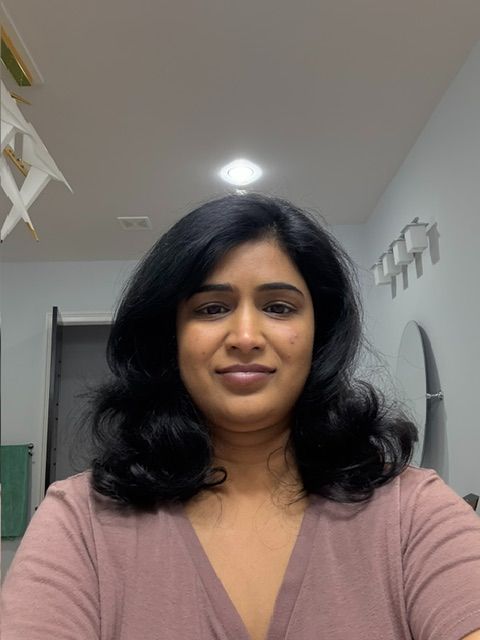
Dr. Pallavi S. is an experienced physician with more than 20 years of clinical experience across Internal Medicine, Emergency Medicine, telemedicine, and urgent care. Her diverse background has provided her with extensive experience caring for patients in both traditional clinical environments and virtual healthcare settings, with a strong foundation in…
Collaborates with Alabama nurse practitioners · also licensed in 1 other state
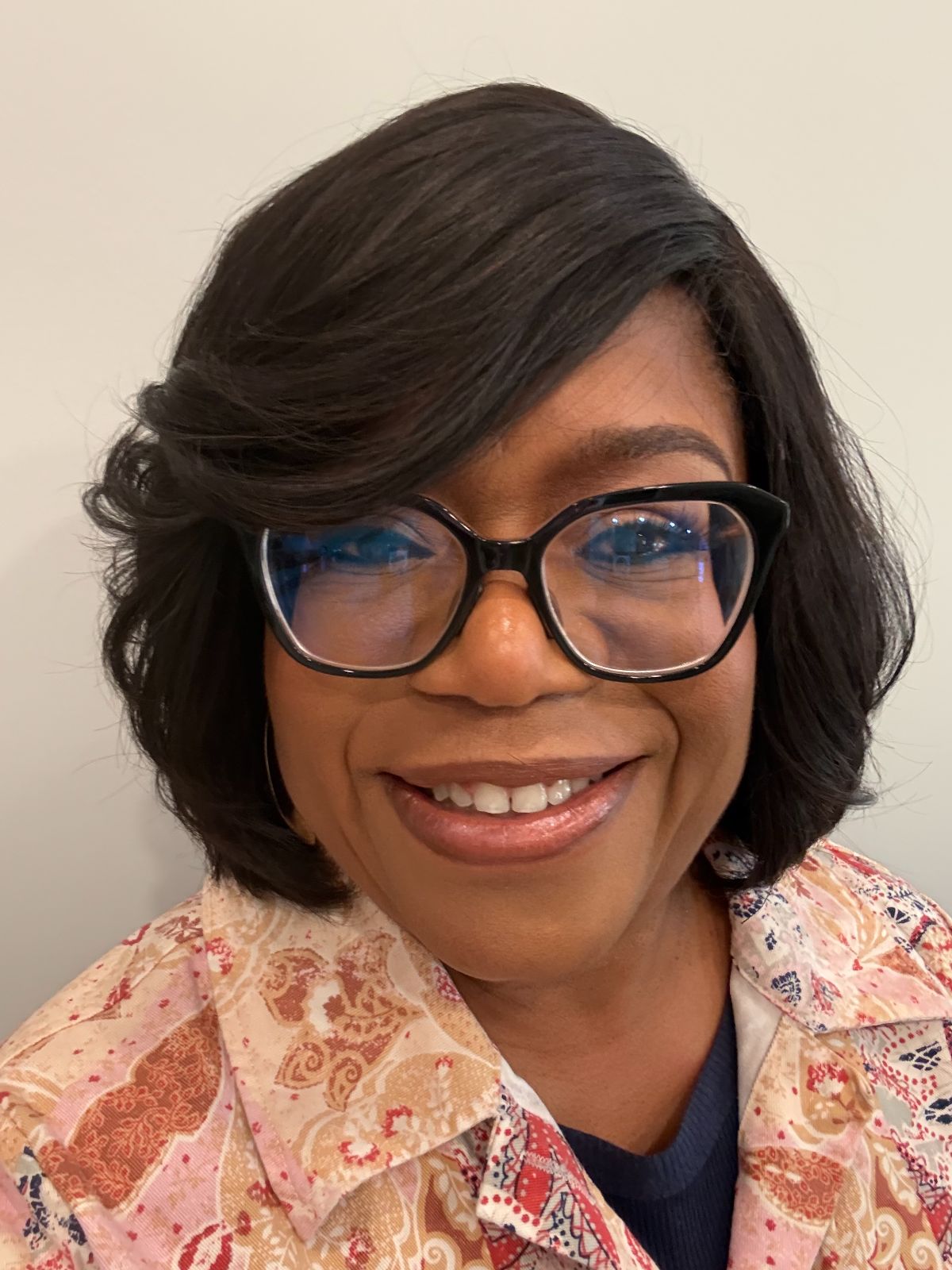
Dr. Sonja P. is an experienced Internal Medicine physician with more than 20 years of experience in private practice. Throughout her career, she has developed a strong foundation in comprehensive adult medicine and has worked closely with Nurse Practitioners and Physician Assistants in collaborative clinical settings.
Collaborates with Alabama nurse practitioners · also licensed in 1 other state

Dr. Dimitris G. is a board-certified psychiatrist with extensive international experience across emergency, outpatient, and consultation-liaison psychiatry. He currently serves as an ER Psychiatrist at Asante Rogue Regional Medical Center in Medford, Oregon, providing acute psychiatric evaluations and crisis management in a high-acuity hospital setting. Dr. Dimitris G.
Collaborates with Alabama nurse practitioners · also licensed in 9 other states

I have worked at multiple ED’s and clinics. I have collaborated with NPs in the past I am open to answering any and all questions without a judgmental attitude
Collaborates with Alabama nurse practitioners

Dr. Dalton B. is a Child, Adolescent, and Adult Psychiatrist with extensive experience across academic, civilian, and Department of War (DoW) healthcare systems. His clinical background combines psychiatric care, medical leadership, clinical education, and telepsychiatry, allowing him to support a diverse range of clinical settings and NP-led practices.
Collaborates with Alabama nurse practitioners · also licensed in 15 other states

Dr. Etienne R. is a board-certified Family Medicine physician with 14 years of clinical experience providing comprehensive care across urgent care, primary care, and telemedicine. His diverse background has equipped him with the knowledge and flexibility to care for patients with a wide range of acute and chronic medical conditions…
Collaborates with Alabama nurse practitioners · also licensed in 6 other states

Dr. Vincent J. is a board-certified internist with extensive clinical, executive, and supervisory experience spanning primary care, public health, managed care, complex patient populations, and functional, integrative anti-aging and rejuvenative medicine.
Collaborates with Alabama nurse practitioners · also licensed in 8 other states

Dr. Rumen S. is a dual board-certified psychiatrist in General Psychiatry and Child & Adolescent Psychiatry with over 25 years of experience delivering comprehensive mental health care across the full lifespan—from infancy through adulthood.
Collaborates with Alabama nurse practitioners · also licensed in 10 other states

Dr. Kenneth R. is a board-certified Emergency Medicine Physician with thirty years of clinical and leadership experience spanning emergency medicine, urgent care, telemedicine, and physician supervision. A graduate of Eastern Virginia Medical School, Dr. Kenneth R.
Collaborates with Alabama nurse practitioners · also licensed in 37 other states

Dr. Geuka D. is a board-certified Internal Medicine physician with over 11 years of experience practicing as a hospitalist across multiple healthcare systems in New York, Mississippi, and Ohio. He completed his Internal Medicine residency at Icahn School of Medicine at Mount Sinai – Queens Hospital Center in 2014 and…
Collaborates with Alabama nurse practitioners · also licensed in 7 other states

Board-Certified Psychiatrist | Medical Director | Bilingual in English & Spanish About Dr. Jose C. Dr. Jose C. is a board-certified psychiatrist with over 25 years of experience in both inpatient and outpatient mental health care, including two decades in supervisory and medical director roles.
Collaborates with Alabama nurse practitioners · also licensed in 5 other states

Dr. Michael U. is a board-certified Emergency Medicine physician and Medical Director with extensive expertise in hormone replacement therapy (HRT), peptide therapy, telemedicine, urgent care, and IV infusion therapy. He trained in Emergency Medicine at Cook County Hospital in Chicago after earning his medical degree from the University of Miami…
Collaborates with Alabama nurse practitioners · also licensed in 8 other states
Frequently Asked Questions
Q: Can I practice independently in Alabama as a CRNP?
A: No. Alabama requires CRNPs to maintain a collaborative practice agreement with a licensed physician. However, CRNAs and CNSs are not subject to this requirement, though CRNAs must function under the direction of a physician, podiatrist, or dentist. Alabama law prevents Nurse Practitioners from practicing to the full extent of their education and training, unlike full practice authority states.
Q: What if my collaborating physician moves or retires?
A: You’ll need to establish a new collaborative relationship before continuing practice as a CRNP. This typically requires 1–2 weeks if you use a platform like NPCollaborator.com, but could take months through traditional networking. The Board may grant temporary approval for continued practice during the transition period.
Q: Can I have multiple collaborating physicians?
A: Yes, some NPs maintain relationships with multiple physicians to cover different specialties or provide redundancy if one becomes unavailable. Ensure your practice agreements don’t conflict and that all parties understand the arrangement.
Q: How often must my collaborating physician review my charts?
A: Alabama doesn’t mandate a specific frequency, but quarterly reviews are standard practice. This should be defined in your collaborative practice agreement.
Q: Can my collaborating physician be located out of state?
A: No. Your collaborating physician must be licensed in Alabama to provide collaborative oversight to an Alabama-based NP.
Q: What’s the difference between a CRNP, CRNA, and CNS in Alabama?
A: CRNPs and CNMs require collaborative agreements; CRNAs don’t. CRNAs must function under immediate physician/podiatrist/dentist direction. CNSs cannot prescribe drugs or perform medical acts, and don’t require collaboration.
Q: What happens to my practice if my collaborating physician retires suddenly?
A: Your authority to practice as a CRNP ceases when the collaborative agreement ends. You have a reasonable transition period (typically 30–60 days) to find a new collaborator, during which you cannot see new patients but may continue with established patients with the Board’s permission. The Board may grant temporary approval for continued practice during this transition.
Disclaimer: This page summarizes NP Collaborator's interpretation of Alabama statutes, Board of Nursing rules, and DEA regulations governing nurse practitioner collaborative practice as of the date shown above. It is provided for informational purposes only and does not constitute legal, regulatory, or clinical advice. Laws and rules change — always verify current requirements directly with the Alabama Board of Nursing or a qualified healthcare attorney before making practice decisions.
Sources & References
Alabama Board of Nursing — official Alabama Board of Nursing homepage.
Nurse Practice Act — Ala. Code Title 34, Chapter 21; Alabama Board of Nursing Nurse Practice Act — Alabama statutory framework for nursing and advanced practice nursing.
ABN Administrative Code — Alabama Board of Nursing Administrative Code, Chapter 610-X-5 and related APRN rules — Alabama Board of Nursing administrative rules governing APRN practice.
Advanced Practice Nursing — Alabama Board of Nursing Advanced Practice licensing and practice rules — Alabama APRN licensing, scope, and practice requirements.
Collaborating Relationship — Alabama Board of Medical Examiners / CRNP-CNM Collaboration — Alabama collaboration guidance for CRNPs and CNMs.
Supervisory/Review Requirements — Ala. Admin. Code r. 610-X-5-.09 — Alabama rule governing collaboration and review requirements.
CRNP Application / Prescriptive Authority — ABN CRNP application and prescriptive authority requirements — Alabama CRNP prescriptive-authority pathway.
Advanced Practice FAQs — Alabama Board of Nursing Advanced Practice FAQs — Alabama Board of Nursing explanatory guidance on APRN practice and prescribing-related questions.
Scope of Practice — Alabama Board of Nursing Scope of Practice — Alabama scope-of-practice framework.
Administrative Rule Chapter 610-X-6 — Alabama administrative code chapter governing APRN/collaboration requirements — official chapter covering Alabama APRN practice structure.
APRN Licensing — Alabama Board of Nursing Advanced Practice licensing pathways — Alabama APRN credentialing and authorization pathways.
Further guidance
State Practice Environment — AANP State Practice Environment — national overview of state practice models.
21 C.F.R. Part 1306 — federal DEA requirements for controlled-substance prescriptions.
42 C.F.R. § 410.75 — Medicare conditions for coverage of nurse practitioners' services.
42 C.F.R. § 491.8 — federal staffing and patient-record review requirements for rural health clinics and federally qualified health centers.
CMS, Medicare Benefit Policy Manual, Ch. 15 — federal payment and documentation guidance relevant to NP services.
American Medical Association, Telehealth Quick Guide — practical telehealth implementation guidance.
Related resources
NP Collaborative Agreement Template (Free Download)
Get a free 50+ page collaborative agreement template covering all 50 states. Includes sample language, filing requirements and NP-protective clauses.
Read moreGuidesBrowse All NP Resources
Guides, comparisons, templates and tools for nurse practitioners in one place.
Read moreComparisonsBest Collaborating Physician Platforms (2026)
Honest comparison of the top NP collaborating physician platforms. Transparent all-inclusive pricing starting at $424/mo.
Read moreToolsNP Collaboration Savings Calculator
Calculate how much you can save on collaboration fees. Compare costs and find the best rates in your state.
Read more